A Dual Solution to Global Crises: Housing and Plastic Pollution
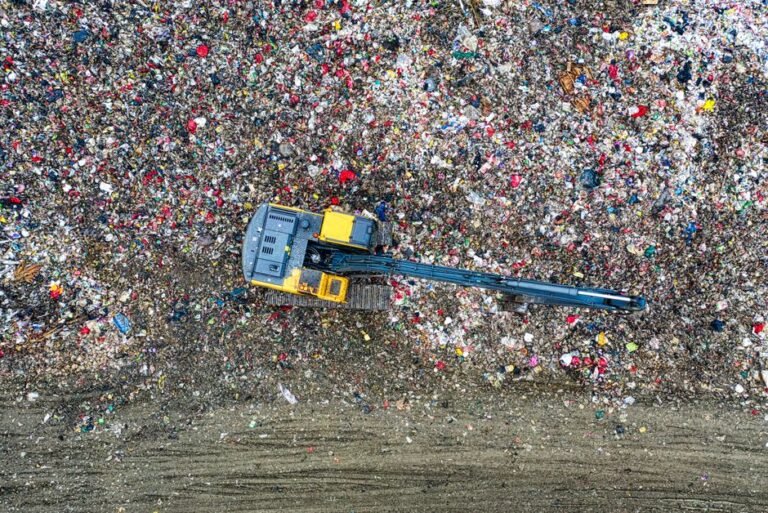
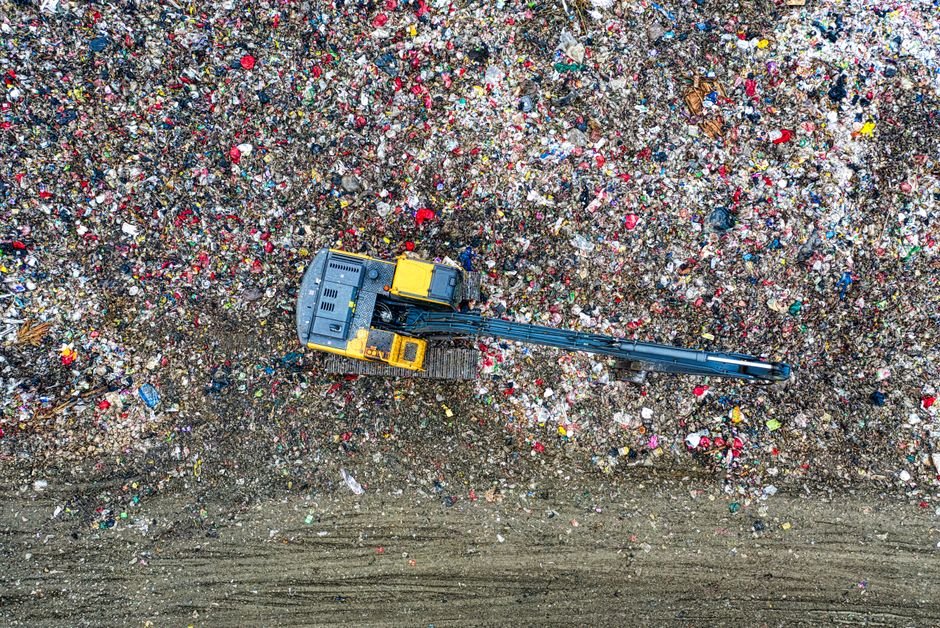
The central development is this: Globally, we face two pressing crises: a severe housing shortage and an overwhelming tide of plastic pollution. While seemingly unrelated, an innovative spinout from MIT is demonstrating how these challenges can be tackled simultaneously. Atlas Building Composites has emerged with a groundbreaking approach, transforming discarded single-use plastics into robust, long-lasting building materials.
Table of Contents
- A Dual Solution to Global Crises: Housing and Plastic Pollution
- The Vision Behind Atlas Building Composites
- Real-World Applications and Durability
- Empowering Local Economies and Global Scale
- A Sustainable Path Forward
- Expert Perspective
- Frequently Asked Questions
- How the Technology Works
- Why does plastic waste building materials matter right now?
- What broader change could plastic waste building materials signal?
- What should the market watch next around plastic waste building materials?
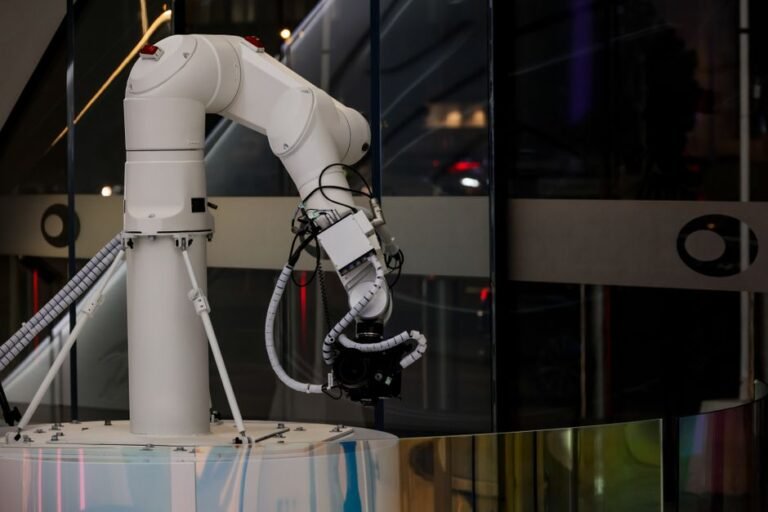
Meanwhile, This pioneering company leverages an AI-powered robotic manufacturing platform to create durable components for homes and infrastructure, offering a sustainable alternative to conventional construction methods and a vital solution for our planet’s plastic problem.
The Vision Behind Atlas Building Composites
Atlas Building Composites originated from MIT HAUS, a research initiative within the MIT Department of Mechanical Engineering focused on “Home Architecture for Universal Sustainability.” Their mission is ambitious yet crucial: to convert vast quantities of waste plastic into durable composites to construct a billion homes.
In practical terms, A.J. Perez, Atlas chair, co-founder, and an MIT research scientist, emphasizes the interconnectedness of their goals.
“We’re not here just to build homes, and we’re not here just to recycle plastic. We’re turning bottles into buildings, avoiding the environmentally taxing processes of conventional construction while addressing the plastic destined for our oceans and landfills,” Perez states.
How the Technology Works
At the heart of Atlas’s innovation is a sophisticated process that combines waterless plastic recycling with large-scale composite additive manufacturing. Here’s a closer look:
- Waterless Recycling: Unlike traditional recycling methods that often require significant water, Atlas’s process is entirely water-free. This is a critical factor for democratizing recycling efforts globally, enabling communities regardless of their water access to participate.
- Material Transformation: Single-use plastics, such as bottles, are shredded and fed into the Atlas system. They are then melted and fused with American-made fiberglass, creating a composite material that boasts superior strength compared to wood.
- Robotic Additive Manufacturing: A large-scale 3D printer then precisely forms these composite materials into various building parts, including trusses for floors, walls, roofs, and even bridges.
For example, Research at MIT has already demonstrated the efficiency of this system, showing that large composite trusses can be printed in under 13 minutes and support over 4,000 pounds, comfortably exceeding key building standards.
Real-World Applications and Durability
Atlas’s innovative materials are already making an impact in various applications. They have been used to support barns, sheds, decks, and docks.
A notable project involved supplying the U.S. Army Corps of Engineers with American-made recycled composite trusses for the construction of a 40-foot bridge in a Massachusetts wetland.
That said, A significant advantage of these plastic-derived composites is their exceptional durability, especially in environments where they are in contact with the ground or water. Matt Pouliot, Atlas co-founder, highlights this benefit: “If you get a material into the building world and it does its job, it’s going to be used for a very long time and not need to be recycled again for a very long time. This is one of the most sustainable use cases for recycled petrochemical products.”
Empowering Local Economies and Global Scale
Perez and Pouliot envision a future with thousands of their AI robotic production systems deployed worldwide. The emphasis is on local production, with each Atlas factory cell capable of producing structural framing components for approximately one small home per day.
Interestingly, “The more local Atlas is, the lower the cost and footprint. We want this to be localized to benefit local communities. The plastic is already everywhere,” says Perez, emphasizing the economic and environmental advantages of decentralized manufacturing.
This localized approach not only reduces transportation costs and carbon footprints but also fosters local recycling, factory, and construction jobs, stimulating regional economies with locally sourced materials. Atlas aims to be a technology provider, enabling the creation of home factories wherever they are most needed, rather than relying on distant mega-factories.
A Sustainable Path Forward
However, The journey from MIT HAUS to Atlas Building Composites represents a powerful fusion of scientific innovation and entrepreneurial vision. By tackling two monumental global challenges—housing shortages and plastic pollution—with a single, sustainable solution, Atlas is paving the way for a greener, more resilient future. Their work underscores the potential for advanced technology to transform waste into valuable resources, creating long-lasting infrastructure while safeguarding our planet.
Expert Perspective
From an industry angle, the clearest signal around plastic waste building materials is how it may influence atlas. The story reads less like a one-day spike and more like a marker of broader movement.
The next phase will depend on how quickly teams, regulators, or customers react. In practice, that gives plastic waste building materials room to reshape expectations across plastic over the near term.
For readers focused on practical impact, the best next step is to watch what changes around building once attention turns into execution.
Frequently Asked Questions
Why does plastic waste building materials matter right now?
A Dual Solution to Global Crises: Housing and Plastic PollutionThe central development is this: Globally, we face two pressing crises: a severe housing shortage and an overwhelming tide of plastic pollution.
What broader change could plastic waste building materials signal?
While seemingly unrelated, an innovative spinout from MIT is demonstrating how these challenges can be tackled simultaneously.
What should the market watch next around plastic waste building materials?
Atlas Building Composites has emerged with a groundbreaking approach, transforming discarded single-use plastics into robust, long-lasting building materials.Meanwhile, This pioneering company leverages an AI-powered robotic manufacturing platform to create durable components for homes and infrastructure, offering a sustainable alternative to conventional construction methods and a vital solution for our planet’s plastic problem.The Vision Behind Atlas Building CompositesAtlas Building Composites originated from MIT HAUS, a research initiative within the MIT Department of Mechanical Engineering focused on “Home Architecture for Universal Sustainability.” Their mission is ambitious yet crucial: to convert vast quantities of waste plastic into durable composites to construct a billion homes.In practical terms, A.J.
Source: https://news.mit.edu/2026/mit-spinout-turns-plastic-waste-into-resilient-building-materials-0914