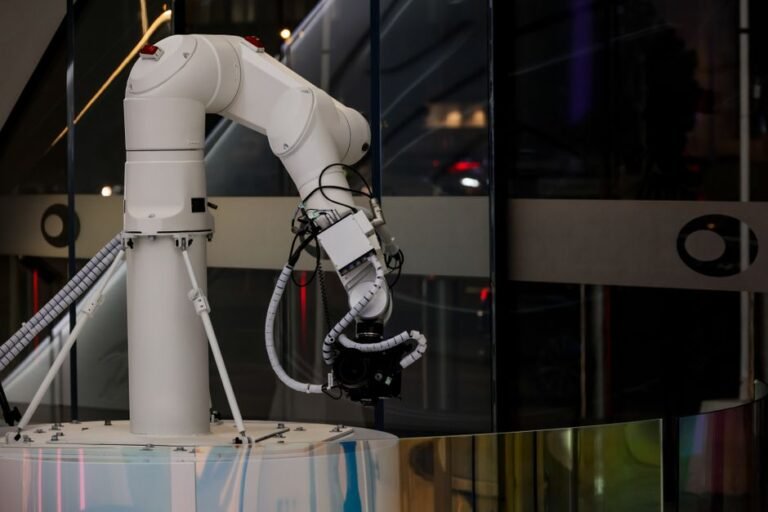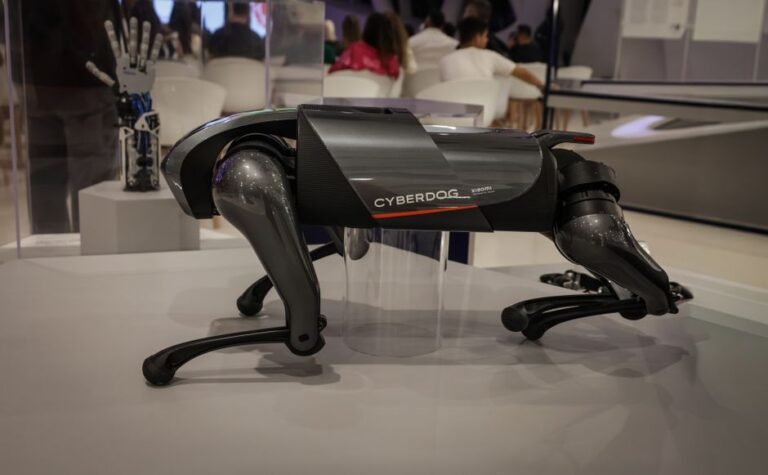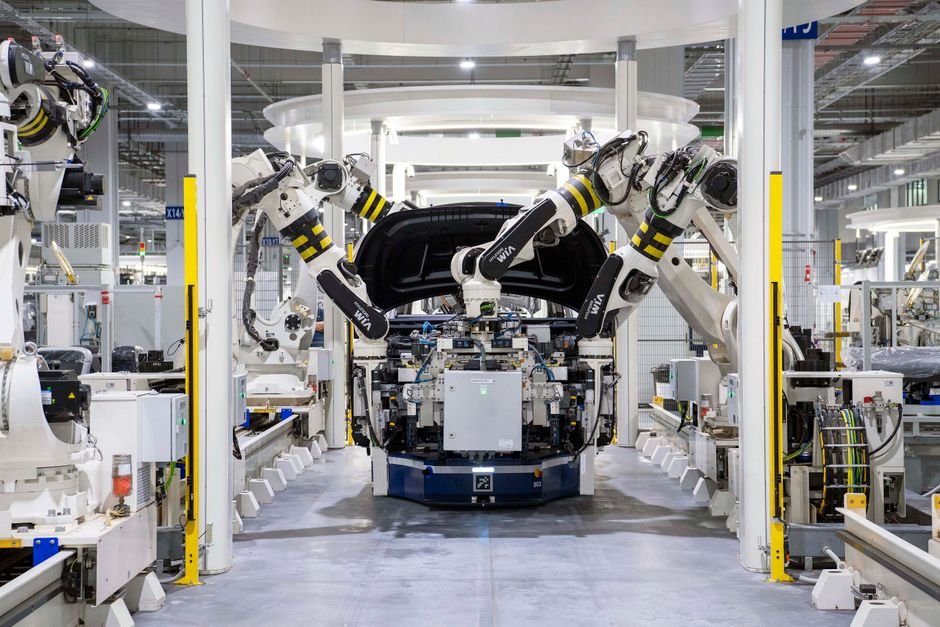
The central development is this: Physical AI, the exciting fusion of artificial intelligence and robotics, is rapidly reshaping our future. We see incredible demonstrations of intelligent machines performing complex tasks, from nimble factory robots to autonomous vehicles navigating intricate environments. These advancements spark imagination and promise revolutionary changes across industries. Yet, beneath the surface of these captivating prototypes lies a profound and often underestimated hurdle: the monumental task of transitioning a singular, brilliant invention into a widely available, cost-effective, and robust product. The real challenge for Physical AI isn’t just about making machines think; it’s about making them en masse.
Table of Contents
- From Lab Bench to Production Line: The Prototype Paradox
- The Intricate Web of the Supply Chain
- Balancing Cost, Quality, and Scale
- Reliability and Maintainability: A Non-Negotiable
- Paving the Way for Widespread Physical AI
- Expert Perspective
- Frequently Asked Questions
- Why is Physical AI manufacturing important?
- What impact could Physical AI manufacturing have?
- What should readers watch next with Physical AI manufacturing?
- How does this relate to physical?
From Lab Bench to Production Line: The Prototype Paradox
Meanwhile, Developing a single, functional Physical AI prototype is an extraordinary engineering achievement. It represents countless hours of research, design, and meticulous assembly, often by a team of highly specialized experts. This initial success rightly garners headlines and investment.
However, the journey from a handcrafted marvel to a mass-produced item is an entirely different beast. A prototype is built to prove a concept, often without strict cost constraints or considerations for long-term durability in diverse environments. A product, on the other hand, must be designed for manufacturability, reliability, and affordability for a broad market, often without dedicated specialists on standby for every potential glitch.
The Intricate Web of the Supply Chain
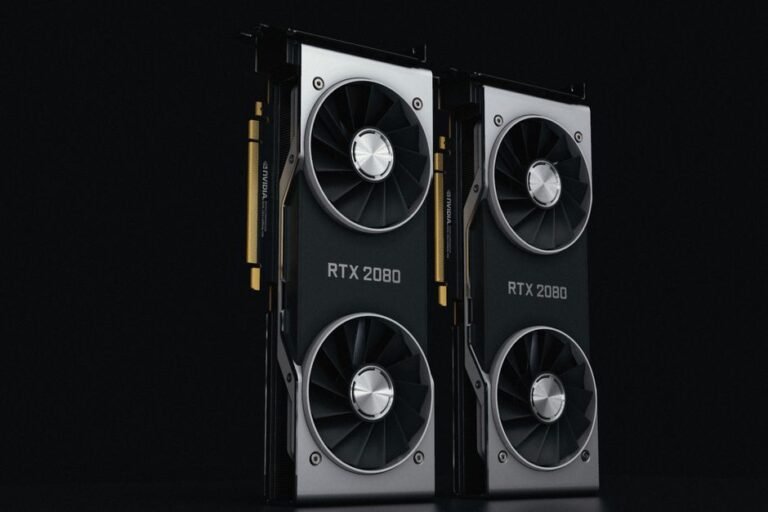
The complexity of Physical AI systems means they rely on a vast array of sophisticated components – custom sensors, specialized actuators, advanced processing units, and unique materials. Sourcing these components globally, ensuring their quality, and managing their timely delivery at scale presents an enormous supply chain challenge.
Unlike software, which can be replicated digitally, physical hardware requires intricate logistics, quality control at every stage, and resilience against disruptions. Building thousands of identical, high-performing Physical AI units demands a mature and robust supply chain that can consistently deliver precision parts.
Balancing Cost, Quality, and Scale
In practical terms, For Physical AI to move beyond niche applications and into everyday life or mainstream industry, it must be affordable. The cost of individual components, assembly processes, and quality assurance all contribute to the final price tag.
Striking the right balance between cutting costs and maintaining the high level of quality and performance expected from intelligent machines is a delicate act. Achieving economies of scale in manufacturing is crucial, requiring significant upfront investment in automated production lines and efficient processes that can churn out units reliably and consistently.
Reliability and Maintainability: A Non-Negotiable
A prototype can be nursed through malfunctions by its creators. A product deployed in the field, whether in a warehouse, a hospital, or a consumer’s home, cannot afford such luxuries. Physical AI products must be inherently reliable, capable of operating for extended periods without failure, and easily maintainable when issues do arise.
This demands rigorous testing, robust design for longevity, and accessible repair mechanisms – factors that are often secondary during the initial prototype phase but become paramount for commercial success and user trust. Designing for maintainability, with modular components and diagnostic capabilities, is as vital as the AI itself.
Paving the Way for Widespread Physical AI
For example, The future of Physical AI is undeniably bright, but its widespread adoption hinges on overcoming these tangible, physical challenges. The industry must invest not only in AI algorithms but equally in advanced manufacturing techniques, resilient supply chain management, and design-for-manufacturability principles. By bridging the gap between brilliant innovation and scalable production, we can unlock the full potential of Physical AI, moving from impressive demonstrations to a truly transformative presence in our world.
Expert Perspective
A practical read on Physical AI manufacturing starts with physical. That is where the earliest effects are likely to show up if this development keeps building.
What happens next will come down to adoption speed, policy response, and execution quality. That combination could make Physical AI manufacturing a meaningful reference point across often.
For decision-makers, the useful lens is not the headline alone but how prototype changes priorities once organizations have to respond.
Frequently Asked Questions
Why is Physical AI manufacturing important?
The central development is this: Physical AI, the exciting fusion of artificial intelligence and robotics, is rapidly reshaping our future.
What impact could Physical AI manufacturing have?
We see incredible demonstrations of intelligent machines performing complex tasks, from nimble factory robots to autonomous vehicles navigating intricate environments.
What should readers watch next with Physical AI manufacturing?
These advancements spark imagination and promise revolutionary changes across industries.
How does this relate to physical?
It connects because the article frames physical as one of the clearest areas where the topic may be felt in practice.
Source: https://www.unite.ai/physical-ai-hardware-manufacturing-supply-chain-scaling/