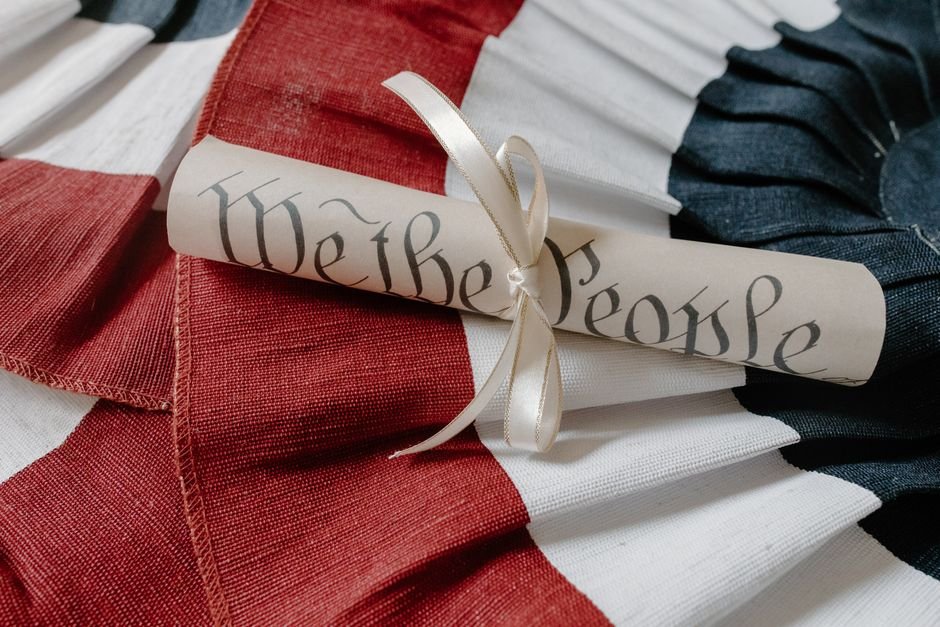
The central development is this: The year 2026 marks a quarter-millennium since the pivotal signing of the Declaration of Independence. As this significant anniversary approaches, Google has unveiled a thought-provoking new commercial for its Workspace suite. This ad doesn’t just celebrate history; it boldly reimagines it, asking a fascinating “what if”: What if the Founding Fathers had access to today’s advanced artificial intelligence and collaborative tools, specifically Google Workspace, when crafting America’s foundational document?
Table of Contents
- A Revolutionary “What If”: History Meets Modern Tech
- AI as a Modern Scribe: Enhancing the Drafting Process
- Beyond the Commercial: AI’s Real-World Impact on Document Creation
- The Philosophical Debate: Originality vs. Efficiency
- Expert Perspective
- Frequently Asked Questions
- Conclusion
- How AI Could Have Assisted:
- Why is AI in document creation important?
- What impact could AI in document creation have?
- What should readers watch next with AI in document creation?
- How does this relate to google?
A Revolutionary “What If”: History Meets Modern Tech
Meanwhile, The commercial vividly transports viewers back to 1776, but with a futuristic twist. Instead of quill and parchment, we see figures reminiscent of Jefferson, Adams, and Franklin huddled around screens, leveraging AI-powered suggestions, real-time document collaboration, and instant research capabilities that Google Workspace offers. It’s a powerful visual metaphor for how technology could have accelerated and refined the monumental task of drafting such a critical declaration.
This imaginative scenario highlights the core message Google aims to convey: Workspace isn’t just for everyday tasks; it’s a tool capable of facilitating world-changing ideas, regardless of the era.
AI as a Modern Scribe: Enhancing the Drafting Process
In practical terms, Consider the immense undertaking involved in writing the Declaration. It required meticulous articulation of grievances, philosophical arguments, and a clear statement of intent.
How AI Could Have Assisted:
Imagine the Founding Fathers, grappling with complex ideas and precise wording, having access to these capabilities:
- Research & Summarization: AI could have instantly pulled up historical precedents, philosophical texts, and legal arguments, summarizing vast amounts of information to inform their debates and decisions.
- Grammar & Style Refinement: Tools like Google Docs’ smart compose or grammar checks could have offered real-time suggestions for clarity, conciseness, and rhetorical impact, ensuring the Declaration’s language was as potent as its message.
- Collaborative Editing: Multiple authors could simultaneously refine paragraphs, debate word choices in real-time comments, and track revisions seamlessly – a far cry from passing handwritten drafts and enduring delays.
- Idea Generation & Structuring: While the core ideas stemmed from brilliant minds, AI could potentially have offered alternative phrasing, explored different argumentative structures, or even helped organize the grievances in the most compelling order.
Beyond the Commercial: AI’s Real-World Impact on Document Creation
For example, While the commercial is a fantastical historical reimagining, it underscores the very real capabilities of AI in modern document creation. Today, professionals across various fields use AI for:
- Drafting reports and proposals.
- Automating routine email responses.
- Generating creative content outlines.
- Translating documents into multiple languages.
- Ensuring consistency in branding and tone.
Tools within suites like Google Workspace are constantly evolving, integrating more AI features to streamline workflows and enhance productivity for individuals and teams.
The Philosophical Debate: Originality vs. Efficiency
That said, The “what if” scenario also subtly opens a philosophical discussion. Would a Declaration of Independence crafted with AI assistance still possess the same raw, human brilliance and historical weight? While AI can enhance efficiency and refine language, the true genius of such a document lies in the human intellect, courage, and spirit behind it.
Google’s commercial doesn’t suggest AI replaces human ingenuity, but rather augments it, acting as a powerful co-pilot in the creative and collaborative journey.
Expert Perspective
A practical read on AI in document creation starts with google. That is where the earliest effects are likely to show up if this development keeps building.
What happens next will come down to adoption speed, policy response, and execution quality. That combination could make AI in document creation a meaningful reference point across declaration.
For decision-makers, the useful lens is not the headline alone but how commercial changes priorities once organizations have to respond.
Frequently Asked Questions
Why is AI in document creation important?
The central development is this: The year 2026 marks a quarter-millennium since the pivotal signing of the Declaration of Independence.
What impact could AI in document creation have?
As this significant anniversary approaches, Google has unveiled a thought-provoking new commercial for its Workspace suite.
What should readers watch next with AI in document creation?
This ad doesn’t just celebrate history; it boldly reimagines it, asking a fascinating “what if”: What if the Founding Fathers had access to today’s advanced artificial intelligence and collaborative tools, specifically Google Workspace, when crafting America’s foundational document?A Revolutionary “What If”: History Meets Modern TechMeanwhile, The commercial vividly transports viewers back to 1776, but with a futuristic twist.
How does this relate to google?
It connects because the article frames google as one of the clearest areas where the topic may be felt in practice.
Conclusion
Viewed in context, the next round of reactions will matter as much as the initial announcement. Interestingly, Google’s new Workspace commercial is more than just an advertisement; it’s a clever thought experiment. By envisioning the Founding Fathers leveraging AI to draft the Declaration of Independence, it brilliantly connects a pivotal moment in history with the cutting-edge tools of today.
It reminds us that while the human spirit of innovation and freedom remains constant, the methods and technologies we use to articulate and achieve our greatest ideas are continuously evolving. The future of document creation, much like the future of nations, is built on both profound human vision and the powerful tools we choose to employ.