Dispelling the Chip Manufacturing Myth
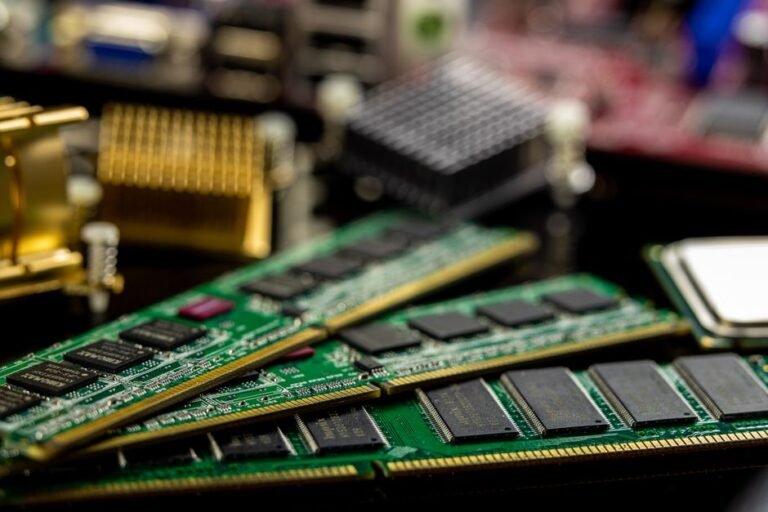
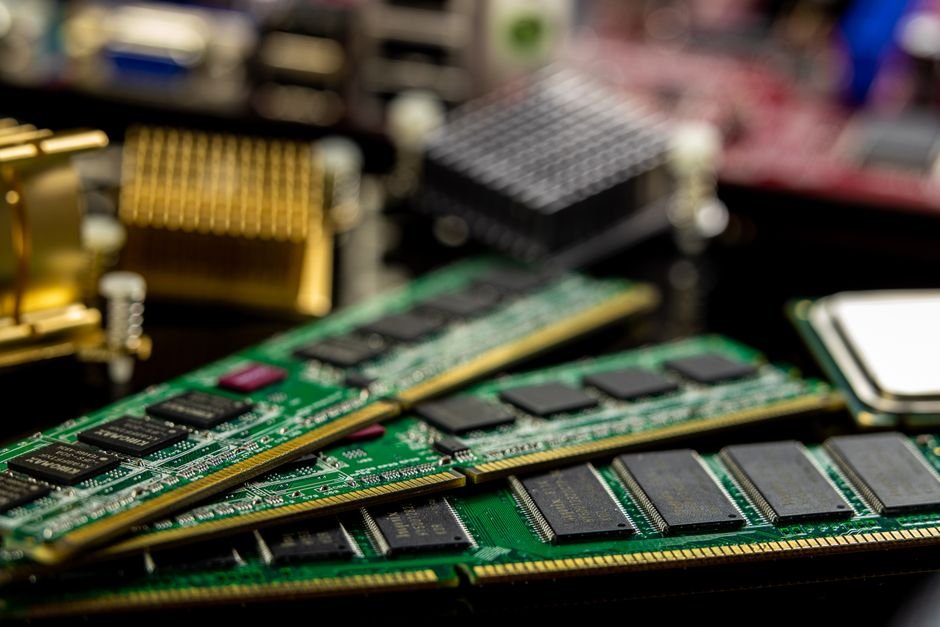
For readers tracking the shift, Armenia, a nation often overlooked on the global tech stage, has recently captured headlines with whispers of NVIDIA chip manufacturing within its borders. While such news might conjure images of bustling semiconductor fabs, the reality is far more nuanced and strategically profound. Recent reports suggesting NVIDIA is “making chips in Armenia” sparked considerable interest, yet these claims require clarification.
Table of Contents
- Dispelling the Chip Manufacturing Myth
- The True Vision: An AI Compute Hub
- Why Compute Sovereignty is Crucial for Armenia
- Navigating the Road Ahead: Challenges and Considerations
- Armenia’s Bold Bet on the Future of AI
- Expert Perspective
- Frequently Asked Questions
- Introducing the Firebird AI Center
- Why does Armenia AI Compute matter right now?
- What broader change could Armenia AI Compute signal?
- What should the market watch next around Armenia AI Compute?
Meanwhile, Major semiconductor companies like NVIDIA rely on advanced fabrication processes, such as TSMC’s 4NP process for its Blackwell GPUs, which are deeply embedded in the existing global supply chain. Armenia is not developing the infrastructure to replicate this complex manufacturing at scale in cities like Hrazdan or Yerevan. The focus here is not on physically producing the silicon chips themselves.
The True Vision: An AI Compute Hub
Armenia’s strategic play is far more sophisticated: to become a significant regional AI compute hub. This involves leveraging imported, high-end NVIDIA infrastructure, securing U.S.-approved chip transfers, and utilizing local telecom and energy capacities. At its heart is the compelling argument that smaller nations need sovereign access to powerful AI computing resources to drive their own technological development.
Introducing the Firebird AI Center
In practical terms, The centerpiece of this vision is Firebird, a U.S.-based AI cloud and infrastructure company bridging operations between San Francisco and Yerevan. Armenia’s Ministry of High-Tech Industry has outlined an impressive two-phase plan for the Firebird AI center near Hrazdan:
- Phase One (Planned 2026): This initial phase anticipates a substantial $500 million investment, incorporating over 6,000 NVIDIA Blackwell GPUs, requiring 18 MW of power, and targeting up to 110.6 exaflops of FP4 Tensor compute capacity.
- Phase Two (Future Expansion): The second phase is projected to be even more ambitious, with approximately $4 billion in total investment and more than 41,000 additional GPUs. If realized, this scale would position Armenia remarkably high on the global AI-compute map for a country of its size.
This initiative represents a shift from manufacturing physical goods to hosting the advanced machinery that enables large-scale AI development and training. Partners like Dell Technologies are also involved on the server side, further solidifying the infrastructure build-out. A U.S.-Armenia AI and Semiconductor Innovation Partnership MOU signed in August 2025 further highlights the focus on secure supply chains and AI commercialization, rather than chip fabrication.
Why Compute Sovereignty is Crucial for Armenia
For example, Armenia possesses a robust technological foundation for its size, boasting significant talent in software engineering, mathematics, and electronic design automation, often bolstered by its global diaspora. Companies like Synopsys Armenia, with over 1,000 employees, already contribute to the semiconductor value chain through R&D and design.
However, talent alone isn’t enough. The Firebird project aims to fill a critical gap: massive compute power.
Without it, local talent becomes reliant on external cloud providers, research remains theoretical without powerful GPUs, and startups face limitations imposed by foreign platforms, pricing, and policies. This is why “compute sovereignty” is a more apt description than “chip production.” It’s about ensuring national access to essential AI infrastructure, much like past investments in broadband or energy grids.
That said, Beyond commercial applications, Armenia is also pursuing public-sector AI. A cooperation agreement with Mistral AI, for instance, focuses on developing AI assistants and improving public services using open and adaptable models tailored to Armenia’s unique language and infrastructure. This holistic approach aims to connect infrastructure, public services, startups, and universities through strategic international partnerships.
Navigating the Road Ahead: Challenges and Considerations
Despite the promise, establishing an AI compute hub of this magnitude comes with significant hurdles:
- Energy Demands: An AI factory requires immense power. A 100 MW data center could consume as much electricity as a city of 120,000 people. While Armenia’s Ministry of High-Tech Industry notes the Firebird center will use a closed-loop water-cooling system to mitigate some challenges, the country’s reliance on nuclear, hydro, and thermal generation will need to support rising consumption.
- Capital and Execution: The projected capital figures are substantial, and translating an announced project into a fully utilized and commercially viable AI compute hub is a complex undertaking. Firebird, as a relatively young company, faces the task of ensuring robust execution.
- Ecosystem Development: Success hinges on attracting customers, maintaining a reliable power supply, ensuring network resiliency (Team Telecom Armenia is installing next-gen fiber-optic infrastructure), stable export-control frameworks, and fostering a local ecosystem capable of absorbing and leveraging this compute capacity. Strategic allocation of GPU access—whether for domestic companies or for sale to U.S.-based firms—will be crucial for local benefit.
Armenia’s Bold Bet on the Future of AI
Interestingly, In essence, Armenia’s AI narrative isn’t about manufacturing chips; it’s about transforming advanced imported chips into a domestic strategic asset. If the collaboration between Firebird, Dell, NVIDIA, U.S.
export approvals, local infrastructure investments, and public-sector AI partnerships converges as planned, Armenia could emerge as a compelling case study in global AI infrastructure. This small, landlocked nation is making a bold gamble, using compute power as a core development strategy, aiming to become a pivotal location for training, hosting, and commercializing the next generation of AI systems.
Expert Perspective
From an industry angle, the clearest signal around Armenia AI Compute is how it may influence armenia. The story reads less like a one-day spike and more like a marker of broader movement.
The next phase will depend on how quickly teams, regulators, or customers react. In practice, that gives Armenia AI Compute room to reshape expectations across compute over the near term.
For readers focused on practical impact, the best next step is to watch what changes around infrastructure once attention turns into execution.
Frequently Asked Questions
Why does Armenia AI Compute matter right now?
Dispelling the Chip Manufacturing MythFor readers tracking the shift, Armenia, a nation often overlooked on the global tech stage, has recently captured headlines with whispers of NVIDIA chip manufacturing within its borders.
What broader change could Armenia AI Compute signal?
While such news might conjure images of bustling semiconductor fabs, the reality is far more nuanced and strategically profound.
What should the market watch next around Armenia AI Compute?
Recent reports suggesting NVIDIA is “making chips in Armenia” sparked considerable interest, yet these claims require clarification.Meanwhile, Major semiconductor companies like NVIDIA rely on advanced fabrication processes, such as TSMC’s 4NP process for its Blackwell GPUs, which are deeply embedded in the existing global supply chain.