Introduction: Powering the AI Revolution
At a glance, The relentless advancement of Artificial Intelligence (AI) is transforming industries worldwide, from autonomous vehicles to complex data analytics. This rapid evolution, however, places immense strain on the underlying infrastructure, particularly demanding faster, more efficient data interconnect solutions. To meet this urgent and growing need, a significant breakthrough has been announced that promises to reshape the landscape of AI connectivity.
Table of Contents
- Introduction: Powering the AI Revolution
- The Unprecedented Demand for AI Connectivity
- Introducing Laser-Integrated Photonic Integrated Circuits (PICs)
- Powering Next-Gen AI: 800G to 1.6T Data Rates
- A Collaborative Breakthrough
- The Future of AI Infrastructure
- Expert Perspective
- Frequently Asked Questions
- Why does AI Interconnect PICs matter right now?
- What broader change could AI Interconnect PICs signal?
- What should the market watch next around AI Interconnect PICs?
The Unprecedented Demand for AI Connectivity
Meanwhile, Modern AI workloads, especially those involving large language models and deep learning, require vast amounts of data to be processed and moved between countless processors within data centers. Traditional electrical interconnects are increasingly hitting their limits in terms of speed, power consumption, and thermal management. This bottleneck directly impacts the scalability and performance of AI clusters, hindering further innovation.
The industry has been actively seeking solutions that can handle the sheer volume and velocity of data required for scale-out and scale-up AI architectures. The answer lies in leveraging the speed of light.
Introducing Laser-Integrated Photonic Integrated Circuits (PICs)
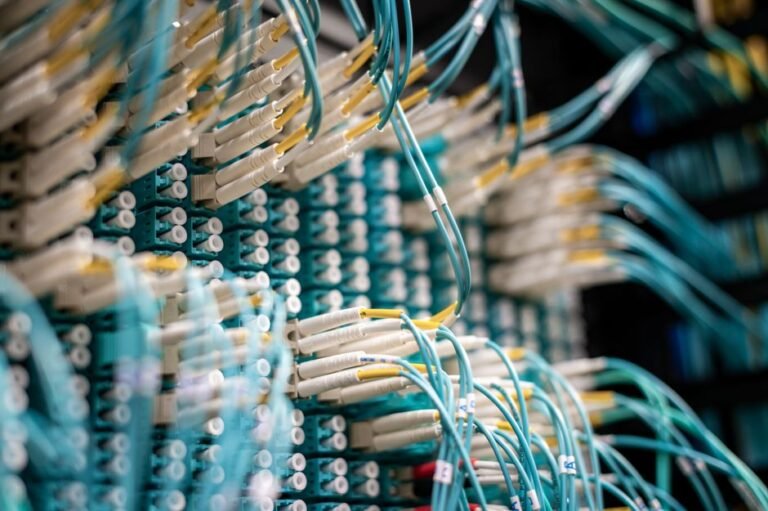
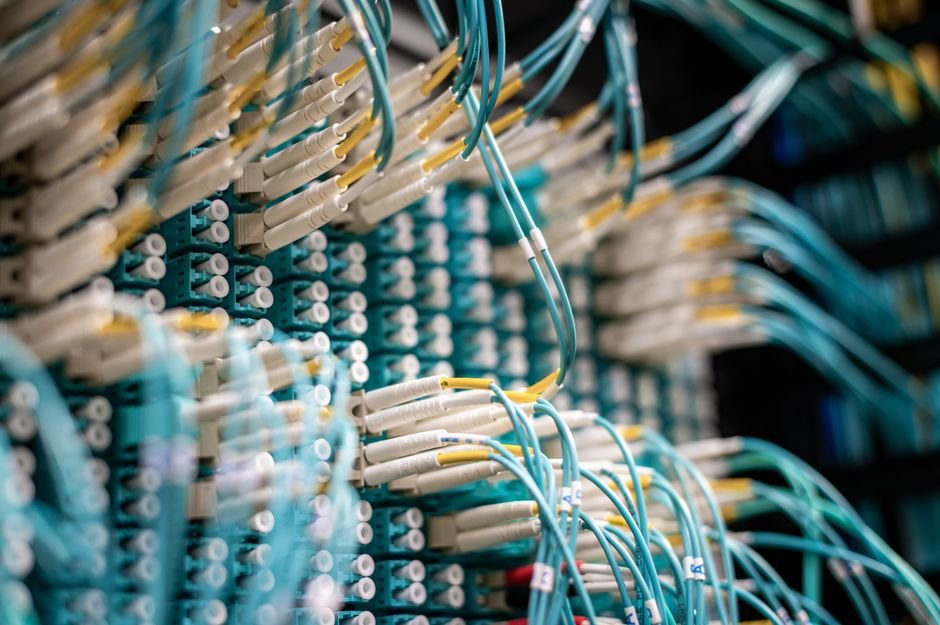
In practical terms, At the heart of this innovation are Photonic Integrated Circuits (PICs). Similar to how electronic integrated circuits combine multiple electronic components onto a single chip, PICs integrate various optical components – such as lasers, modulators, and detectors – onto a single semiconductor platform. This integration leads to:
- Higher Performance: Data travels at the speed of light, enabling significantly faster transmission.
- Reduced Power Consumption: Optical interconnects are inherently more energy-efficient than electrical ones for high-speed, long-distance data transfer.
- Smaller Footprint: Integrating components on a single chip saves valuable space within crowded data centers.
- Improved Reliability: Fewer discrete components often translate to greater system stability.
The key differentiator here is the ‘laser-integrated’ aspect. By directly integrating the laser sources onto the PIC, the solution becomes even more compact, efficient, and serviceable, simplifying deployment and maintenance for complex AI systems.
Powering Next-Gen AI: 800G to 1.6T Data Rates
For example, In a joint announcement made on September 17, 2026, Tower Semiconductor and NewPhotonics revealed the commencement of high-volume shipments for these advanced laser-integrated, serviceable optical engine PICs. These cutting-edge circuits are engineered to support staggering data rates ranging from 800 Gigabits per second (800G) to an incredible 1.6 Terabits per second (1.6T).
These ultra-high data rates are not just an incremental improvement; they represent a leap forward for AI infrastructure. They will enable:
- Faster Training Times: AI models can be trained more quickly by accelerating data movement between GPUs and specialized AI accelerators.
- Enhanced AI Cluster Performance: Seamless communication between thousands of processors in large AI clusters, eliminating data bottlenecks.
- Scalability: Data centers can scale their AI capabilities more effectively, supporting the next generation of AI applications.
A Collaborative Breakthrough
This achievement is the result of a powerful collaboration between two industry leaders:
- Tower Semiconductor: A global leader in specialty foundry manufacturing, bringing extensive expertise in semiconductor process technology and high-volume production capabilities.
- NewPhotonics: A pioneer in advanced optical engines and photonic solutions, contributing its specialized knowledge in designing and developing high-performance optical integrated circuits.
Their combined strengths have been critical in moving this sophisticated technology from development to high-volume production, ensuring that the urgent demand for these critical components can be met.
The Future of AI Infrastructure
Interestingly, The shipment of these laser-integrated PICs marks a pivotal moment for the AI industry. As AI models continue to grow in complexity and size, the need for robust, high-speed, and energy-efficient interconnects will only intensify. Solutions like those from Tower Semiconductor and NewPhotonics are not just addressing current challenges but are actively shaping the future capabilities of AI, paving the way for even more powerful and transformative applications across all sectors.
Expert Perspective
From an industry angle, the clearest signal around AI Interconnect PICs is how it may influence data. The story reads less like a one-day spike and more like a marker of broader movement.
The next phase will depend on how quickly teams, regulators, or customers react. In practice, that gives AI Interconnect PICs room to reshape expectations across integrated over the near term.
For readers focused on practical impact, the best next step is to watch what changes around high once attention turns into execution.
Frequently Asked Questions
Why does AI Interconnect PICs matter right now?
Introduction: Powering the AI RevolutionAt a glance, The relentless advancement of Artificial Intelligence (AI) is transforming industries worldwide, from autonomous vehicles to complex data analytics.
What broader change could AI Interconnect PICs signal?
This rapid evolution, however, places immense strain on the underlying infrastructure, particularly demanding faster, more efficient data interconnect solutions.
What should the market watch next around AI Interconnect PICs?
To meet this urgent and growing need, a significant breakthrough has been announced that promises to reshape the landscape of AI connectivity.The Unprecedented Demand for AI ConnectivityMeanwhile, Modern AI workloads, especially those involving large language models and deep learning, require vast amounts of data to be processed and moved between countless processors within data centers.
Source: https://www.unite.ai/tower-and-newphotonics-ship-laser-integrated-pics-for-ai-interconnect/