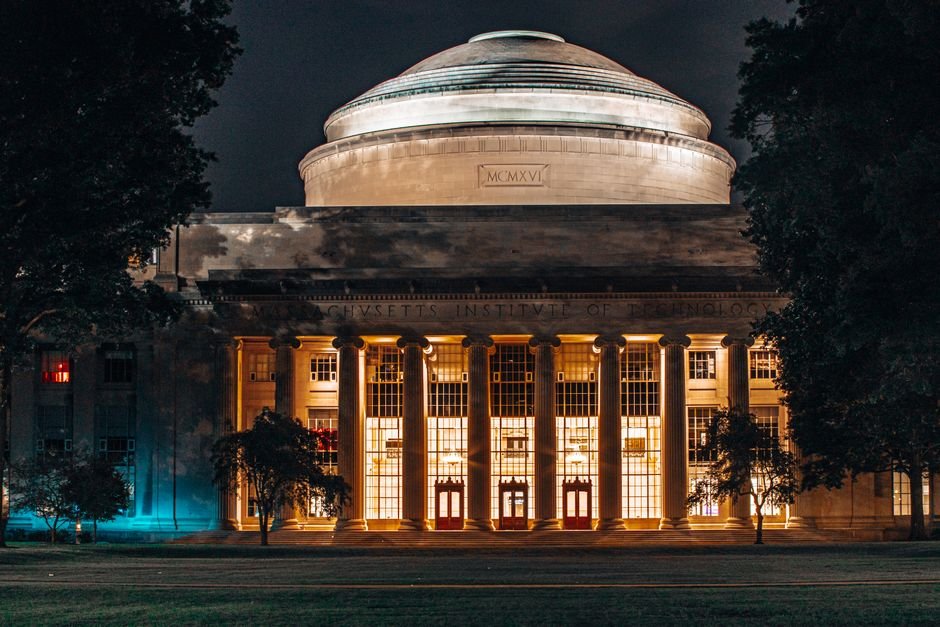
Massachusetts: A Beacon for Future Tech Innovation
At a glance, The future of technology is rapidly evolving, and Massachusetts is firmly positioned at the forefront, according to recent insights from The Boston Globe. The state’s vibrant ecosystem, driven significantly by institutions like MIT, is fostering groundbreaking advancements across artificial intelligence, entrepreneurship, and sustainable energy, attracting top talent and investment.
Table of Contents
- Massachusetts: A Beacon for Future Tech Innovation
- Expert Perspective
- Frequently Asked Questions
- Recognizing the Power Players Shaping Tomorrow
- Cultivating the Next Generation of AI and Entrepreneurship
- Pioneering Real-World Solutions: From Bio-Inspired AI to Sustainable Energy
- Massachusetts’ Unmatched Strengths for Future Leadership
- Why is Massachusetts tech leadership important?
- What impact could Massachusetts tech leadership have?
- What should readers watch next with Massachusetts tech leadership?
- How does this relate to energy?
Recognizing the Power Players Shaping Tomorrow
Meanwhile, The Boston Globe’s 2026 “Tech Power Players” list recently highlighted 50 influential leaders in Massachusetts’ technology and business sectors. This prestigious list included eight key MIT affiliates, underscoring the Institute’s profound impact. Among those recognized were President Sally Kornbluth, Professor Daniela Rus (Director of CSAIL), Professor Regina Barzilay, Professor Yet-Ming Chiang, Professor Max Tegmark, Ana Bakshi (Executive Director of the Martin Trust Center for MIT Entrepreneurship), Katie Rae (CEO and Managing Partner of Engine Ventures), and Senior Lecturer Brian Halligan, alongside numerous MIT alumni.
The coverage extended beyond individuals, celebrating MIT‘s renowned research labs, its deep-seated culture of innovation and entrepreneurship, strong industry connections, and pioneering new AI initiatives. President Kornbluth articulates this vision clearly:
In practical terms, “Massachusetts can absolutely lead in this next wave,” she states, pointing to burgeoning opportunities in fields from advanced manufacturing and life sciences to quantum technologies and clean energy, all designed to benefit Americans nationwide.
Cultivating the Next Generation of AI and Entrepreneurship
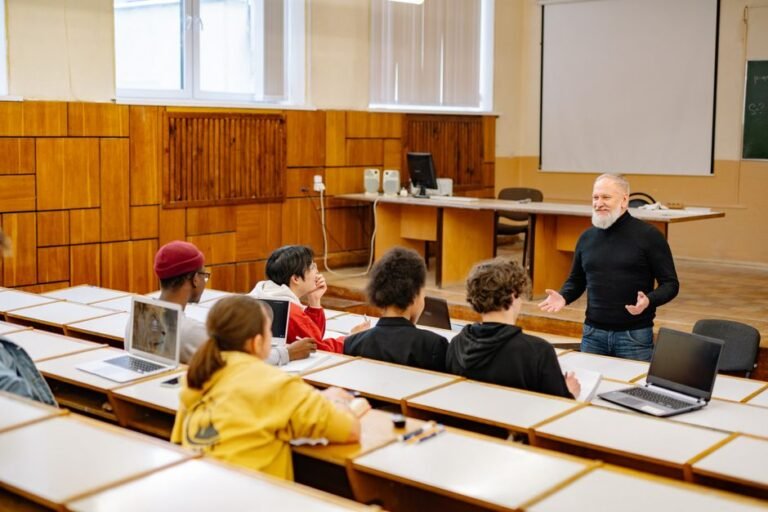
MIT is actively shaping the future of artificial intelligence, strategically focusing on sectors where Massachusetts excels, such as biotechnology, robotics, defense, and clean energy. The Institute’s commitment extends to democratizing AI, offering new online courses, including free entry-level options, to make this powerful technology accessible to a wider audience.
For example, A significant push is also underway to broaden entrepreneurship through a “dorm-to-startup” initiative. This program provides comprehensive support services, from hackathons to venture funding, empowering students to transform their innovative ideas into companies even while pursuing their studies. To further this mission, President Sally Kornbluth and Provost Anantha Chandrakasan established the Committee on Accelerating Translation and Entrepreneurship (CATE), tasked with identifying and removing barriers to moving research discoveries into new ventures.
This focus on practical application, often termed “AI+X,” is crucial for ensuring that AI technologies solve real-world problems for businesses, hospitals, and research institutions. As Aman Narang ‘04, CEO of Toast, aptly puts it:
That said, “The superpower has always been the university system. The best thing Boston can do is keep these people around.”
The burgeoning interest is evident: applications for The Martin Trust Center for MIT Entrepreneurship’s startup accelerator program have doubled, and nearly one-fifth of MIT undergraduates—about 800 students—recently attended a startup career fair, showcasing a vibrant entrepreneurial spirit.
Pioneering Real-World Solutions: From Bio-Inspired AI to Sustainable Energy
Interestingly, Innovation at MIT transcends traditional boundaries. Consider Liquid AI, an MIT startup developing AI models inspired by the simple brain structure of a worm.
These models promise to significantly reduce AI energy consumption, leading to more sustainable and efficient solutions for tasks like financial fraud detection and autonomous drone piloting. Notably, Liquid AI recently partnered with Mercedes-Benz to integrate its technology into vehicles sold in North America.
Beyond AI, MIT researchers and alumni are tackling the critical challenge of future energy. Professor Yet-Ming Chiang’s lab, for instance, is developing advanced batteries capable of storing more electricity for longer durations, thereby expanding the viability of wind, solar, and other clean energy sources. His lab, along with other MIT research centers, is also making strides in microchips, critical minerals, fusion technology, and defense tech – areas Chiang describes as “tough tech” perfectly suited for Boston’s ecosystem.
However, A testament to this collaborative spirit is the MIT-GE Vernova Climate and Energy Alliance. This partnership will see 80 MIT students working as interns and employees at GE Vernova, backed by a $50 million commitment over five years to fund joint research and internships. GE Vernova CEO Scott Strazik emphasizes the desire to “plug into the city’s innovation culture,” particularly the dynamic environment of the MIT campus.
Massachusetts’ Unmatched Strengths for Future Leadership
When asked about the most promising aspect of the Greater Boston tech scene, leaders consistently point to a few key areas:
- Unrivaled Talent: Professor Daniela Rus highlights Boston’s “best AI researchers in the world,” who are consistently generating genuinely new, rather than merely incremental, ideas.
- Engineering & Manufacturing Expertise: Bob Mumgaard SM ’15, co-founder and CEO of Commonwealth Fusion Systems, asserts that his company’s fusion energy breakthroughs would have been impossible anywhere but Massachusetts, thanks to the region’s unparalleled expertise in engineering, design, and manufacturing complex hardware. He adds, “Massachusetts is the strongest in the nation in innovation in energy.”
- Quantum Technology Hub: President Kornbluth pinpoints quantum science and technology as the most important technological field today, noting that “the Boston area has the greatest concentration of quantum talent anywhere in the world.”
Meanwhile, With its deep well of talent, a robust entrepreneurial ecosystem, and a relentless pursuit of solutions in critical fields like AI, sustainable energy, and quantum science, Massachusetts, spearheaded by institutions like MIT, is not just participating in the future of tech—it’s actively defining it.
Expert Perspective
A practical read on Massachusetts tech leadership starts with energy. That is where the earliest effects are likely to show up if this development keeps building.
What happens next will come down to adoption speed, policy response, and execution quality. That combination could make Massachusetts tech leadership a meaningful reference point across entrepreneurship.
For decision-makers, the useful lens is not the headline alone but how massachusetts changes priorities once organizations have to respond.
Frequently Asked Questions
Why is Massachusetts tech leadership important?
Massachusetts: A Beacon for Future Tech Innovation At a glance, The future of technology is rapidly evolving, and Massachusetts is firmly positioned at the forefront, according to recent insights from The Boston Globe.
What impact could Massachusetts tech leadership have?
The state’s vibrant ecosystem, driven significantly by institutions like MIT, is fostering groundbreaking advancements across artificial intelligence, entrepreneurship, and sustainable energy, attracting top talent and investment.
What should readers watch next with Massachusetts tech leadership?
Recognizing the Power Players Shaping Tomorrow Meanwhile, The Boston Globe’s 2026 “Tech Power Players” list recently highlighted 50 influential leaders in Massachusetts’ technology and business sectors.
How does this relate to energy?
It connects because the article frames energy as one of the clearest areas where the topic may be felt in practice.
Source: https://news.mit.edu/2026/mit-media-future-tech-massachusetts-can-absolutely-lead