The FCC Targets Rebranded DJI Products
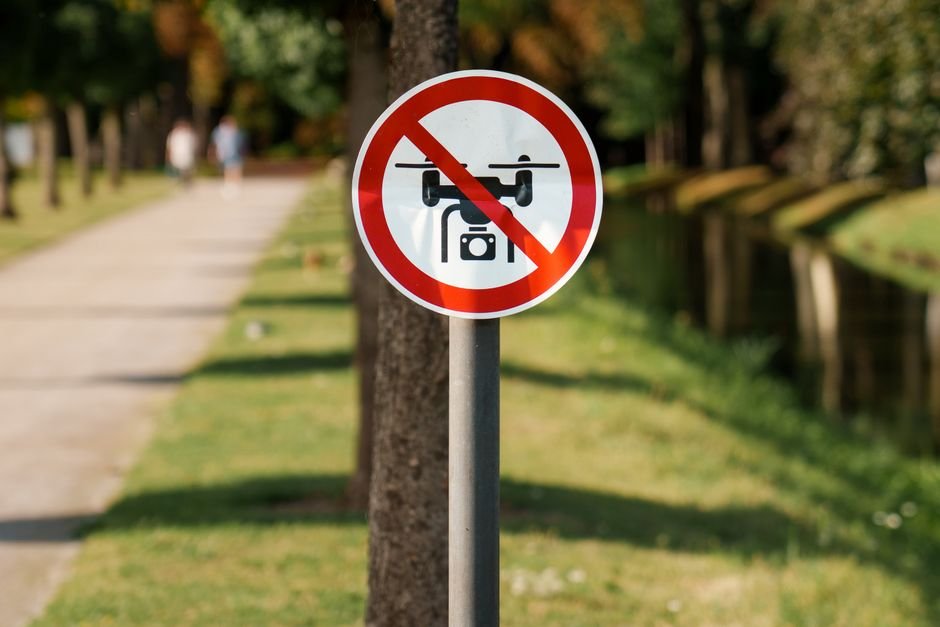
The bigger takeaway is simple: The Federal Communications Commission (FCC) is taking decisive action against companies attempting to circumvent existing restrictions on DJI products. In a significant move, the FCC plans to ban entities found selling DJI drones and related equipment under their own brand names within the United States market.
Table of Contents
- The FCC Targets Rebranded DJI Products
- Impact on the Drone Market
- What Happens Next?
- Expert Perspective
- Frequently Asked Questions
- Why the Focus on Rebranding?
- Broader National Security Implications
- For Businesses and Resellers
- For Consumers and Operators
- Why does FCC DJI Ban matter right now?
- What broader change could FCC DJI Ban signal?
- What should the market watch next around FCC DJI Ban?
Meanwhile, This proposed ban aims to close a crucial loophole, ensuring that products from companies deemed national security risks do not enter American supply chains, regardless of how they are labeled.
Why the Focus on Rebranding?
DJI, a leading drone manufacturer based in China, has long been a subject of scrutiny by U.S. government agencies. Concerns primarily revolve around potential data security risks, surveillance capabilities, and alleged ties to the Chinese government.
In practical terms, These concerns have led to DJI being placed on various U.S. blacklists, restricting its access to certain technologies and markets. However, some companies have reportedly attempted to bypass these restrictions by purchasing DJI products and reselling them under a different brand name, obscuring their true origin.
Broader National Security Implications
The FCC’s initiative is part of a broader, ongoing effort by the U.S. government to safeguard national security and critical infrastructure from potential foreign adversaries. By targeting rebranded products, the FCC seeks to:
- Prevent data exfiltration: Ensure that sensitive data collected by drones does not fall into unauthorized hands.
- Strengthen supply chain integrity: Reduce the risk of compromised equipment being used by government agencies, businesses, or individuals.
- Maintain technological sovereignty: Promote the use of secure and trusted technologies within the U.S.
Impact on the Drone Market
For example, This impending ban carries significant implications for various stakeholders in the drone industry.
For Businesses and Resellers
Companies currently selling or planning to sell rebranded DJI products will need to reassess their strategies immediately. The ban could lead to:
- Disruption of supply chains: Businesses reliant on these rebranded products will need to find alternative suppliers or cease operations in this niche.
- Increased compliance burden: Companies will face stricter oversight regarding the origin of their products.
- Potential financial losses: Inventory of affected products may become unsellable in the U.S. market.
For Consumers and Operators
That said, While the direct impact on individual drone enthusiasts might be less immediate, consumers could see:
- Reduced choice: Fewer rebranded drone options available, potentially shifting the market towards other manufacturers.
- Greater transparency: A clearer understanding of the true origin and associated risks of the drones they purchase.
- Emphasis on trusted brands: An increased focus on drones from manufacturers with proven security records.
What Happens Next?
The FCC’s announcement signifies a proposed course of action. Typically, such proposals undergo a period of public comment, allowing stakeholders and the public to submit their views and concerns. Following this, the FCC will review the feedback and issue a final ruling.
If implemented, the ban would represent a significant step in the ongoing efforts to secure the U.S. technology landscape.
Interestingly, This move underscores the U.S. government’s commitment to protecting its national interests against perceived technological threats, signaling a continued tightening of regulations around foreign-made technology, especially in sensitive areas like drones and communications equipment.
Expert Perspective
From an industry angle, the clearest signal around FCC DJI Ban is how it may influence products. The story reads less like a one-day spike and more like a marker of broader movement.
The next phase will depend on how quickly teams, regulators, or customers react. In practice, that gives FCC DJI Ban room to reshape expectations across rebranded over the near term.
For readers focused on practical impact, the best next step is to watch what changes around drones once attention turns into execution.
Frequently Asked Questions
Why does FCC DJI Ban matter right now?
The FCC Targets Rebranded DJI ProductsThe bigger takeaway is simple: The Federal Communications Commission (FCC) is taking decisive action against companies attempting to circumvent existing restrictions on DJI products.
What broader change could FCC DJI Ban signal?
In a significant move, the FCC plans to ban entities found selling DJI drones and related equipment under their own brand names within the United States market.Meanwhile, This proposed ban aims to close a crucial loophole, ensuring that products from companies deemed national security risks do not enter American supply chains, regardless of how they are labeled.Why the Focus on Rebranding?DJI, a leading drone manufacturer based in China, has long been a subject of scrutiny by U.S.
What should the market watch next around FCC DJI Ban?
Concerns primarily revolve around potential data security risks, surveillance capabilities, and alleged ties to the Chinese government.In practical terms, These concerns have led to DJI being placed on various U.S.
Source: https://www.engadget.com/2219451/fcc-to-ban-companies-selling-dji-products-under-other-brands/