Wildfire Smoke’s Alarming Rise: A New Dominant Prenatal Air Pollution Threat
At a glance, For decades, environmental policy in the United States has celebrated significant victories. Landmark legislation like the Clean Air Act dramatically reduced harmful emissions from vehicles and industries, leading to cleaner air for millions.
Table of Contents
- Wildfire Smoke’s Alarming Rise: A New Dominant Prenatal Air Pollution Threat
- Expert Perspective
- Frequently Asked Questions
- A Legacy of Cleaner Air
- The Shifting Landscape of Air Pollution
- A Critical Concern for Prenatal Health
- Climate Change: The Underlying Driver
- Why is Wildfire Smoke Prenatal Health important?
- What impact could Wildfire Smoke Prenatal Health have?
- What should readers watch next with Wildfire Smoke Prenatal Health?
- How does this relate to smoke?
However, a new, insidious challenge has emerged, threatening to undo these hard-won gains: wildfire smoke. Recent findings indicate that smoke from increasingly frequent and intense wildfires now poses a greater prenatal health risk than traditional human-made sources of air pollution.
A Legacy of Cleaner Air
Meanwhile, The journey towards cleaner air began in earnest in 1965 when a presidential advisory panel first highlighted the dangers of widespread chemical and carbon pollution. This crucial report paved the way for the signing of the Clean Air Act in 1970 by President Richard Nixon.
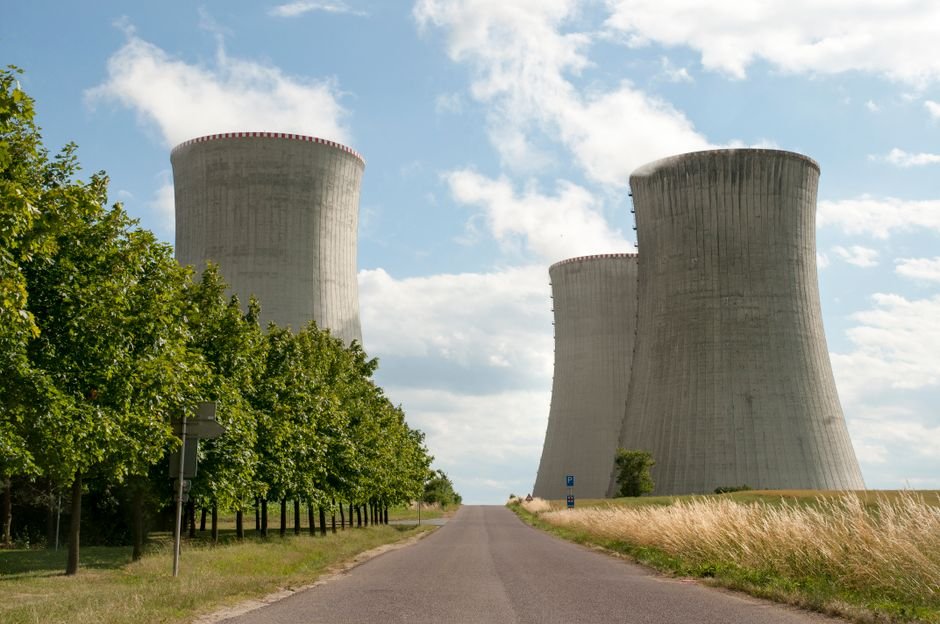
This groundbreaking law, along with its subsequent amendments, has been remarkably effective. Over the years, combined emissions of a half-dozen key harmful air pollutants from industrial and vehicle sources have plummeted by nearly 80 percent, a testament to coordinated environmental efforts.
The Shifting Landscape of Air Pollution
Despite these monumental achievements, the battle for clean air is far from over. Mounting evidence reveals that the unchecked burning of fossil fuels is creating warmer, drier conditions globally, which in turn fuels more intense and destructive wildfires.
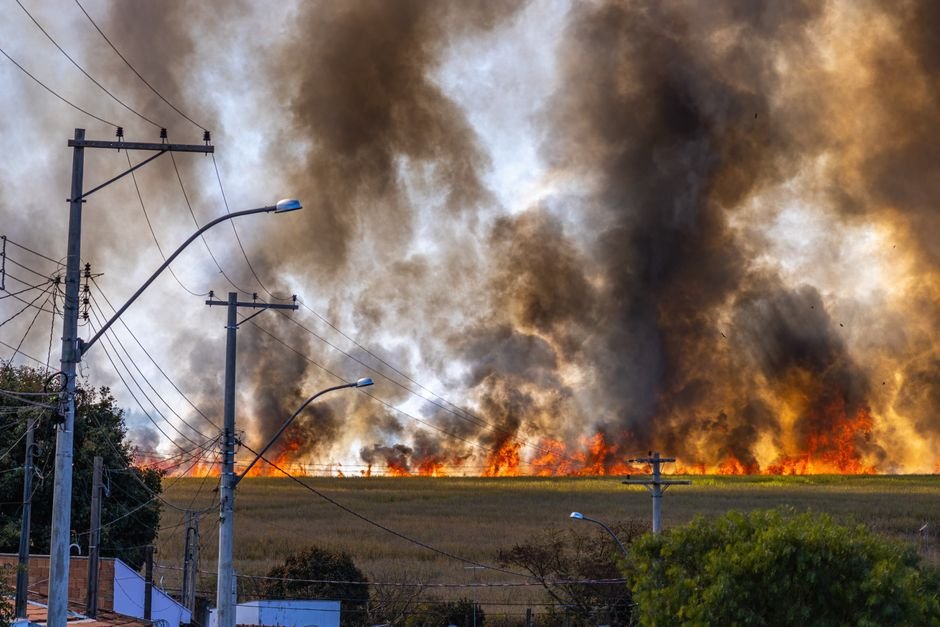
These fires don’t just devastate landscapes; they blanket communities in toxic smoke. This smoke, packed with fine particulate matter and other harmful chemicals, is increasingly eclipsing the air-quality improvements made over the past half-century.
A Critical Concern for Prenatal Health
In practical terms, Perhaps the most concerning aspect of this shift is its impact on the most vulnerable among us. Studies now suggest that pollution from wildfire smoke presents a greater prenatal threat than the cumulative effects of traditional human-generated air pollutants. Exposure during pregnancy to these microscopic particles can have profound and lasting negative health consequences for developing fetuses, underscoring an urgent public health crisis that demands immediate attention.
Climate Change: The Underlying Driver
The intensifying wildfire season and the associated surge in smoke pollution are inextricably linked to climate change. The burning of fossil fuels releases greenhouse gases, trapping heat and leading to prolonged droughts and higher temperatures—ideal conditions for wildfires to ignite and spread rapidly. This vicious cycle means that as long as global temperatures continue to rise, the threat of wildfire smoke and its impact on public health, especially prenatal health, will only grow.
Expert Perspective
A practical read on Wildfire Smoke Prenatal Health starts with smoke. That is where the earliest effects are likely to show up if this development keeps building.
What happens next will come down to adoption speed, policy response, and execution quality. That combination could make Wildfire Smoke Prenatal Health a meaningful reference point across pollution.
For decision-makers, the useful lens is not the headline alone but how health changes priorities once organizations have to respond.
Frequently Asked Questions
Why is Wildfire Smoke Prenatal Health important?
Wildfire Smoke’s Alarming Rise: A New Dominant Prenatal Air Pollution Threat At a glance, For decades, environmental policy in the United States has celebrated significant victories.
What impact could Wildfire Smoke Prenatal Health have?
Landmark legislation like the Clean Air Act dramatically reduced harmful emissions from vehicles and industries, leading to cleaner air for millions.However, a new, insidious challenge has emerged, threatening to undo these hard-won gains: wildfire smoke.
What should readers watch next with Wildfire Smoke Prenatal Health?
Recent findings indicate that smoke from increasingly frequent and intense wildfires now poses a greater prenatal health risk than traditional human-made sources of air pollution.
How does this relate to smoke?
It connects because the article frames smoke as one of the clearest areas where the topic may be felt in practice.