Pioneering the Future of Autonomous Driving
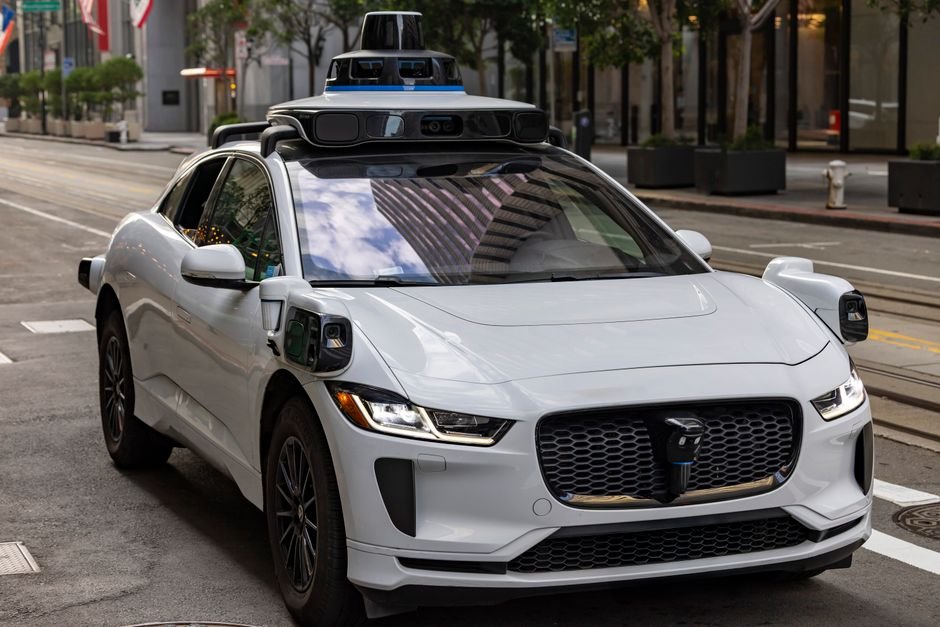
The central development is this: The landscape of autonomous vehicles is constantly evolving, with new collaborations pushing the boundaries of what’s possible. In a significant move set to accelerate this progress, Tokyo-based TIER IV, renowned for its open-source autonomous driving software Autoware, has joined forces with leading automotive supplier Astemo. Their joint mission: to construct a cutting-edge development platform for end-to-end autonomous driving AI.
Table of Contents
- Pioneering the Future of Autonomous Driving
- Understanding End-to-End Self-Driving AI
- The Core of the Collaboration: TIER IV’s Co-MLOps
- A Vision for the 2030s: Commercialization and Beyond
- Expert Perspective
- Frequently Asked Questions
- What This Means for the Automotive Industry
- Why is End-to-End Self-Driving AI important?
- What impact could End-to-End Self-Driving AI have?
- What should readers watch next with End-to-End Self-Driving AI?
- How does this relate to driving?
Meanwhile, This strategic memorandum of understanding signals a powerful commitment to innovation, with a shared vision to bring advanced self-driving capabilities to commercial markets and passenger vehicles in the coming decade.
Understanding End-to-End Self-Driving AI
What exactly does ‘end-to-end’ mean in the context of autonomous driving? Traditionally, self-driving systems are broken down into multiple modules: perception, prediction, planning, and control. Each module handles a specific task, passing information sequentially.
In practical terms, An end-to-end AI approach, conversely, aims to streamline this process. It involves a single, comprehensive AI model that takes raw sensor data (like camera feeds or lidar scans) as input and directly outputs vehicle control commands (steering, acceleration, braking). This integrated approach promises several advantages:
- Efficiency: Potentially simpler architecture with fewer hand-offs between modules.
- Learning: The AI can learn complex relationships directly from data, potentially leading to more nuanced and human-like driving behavior.
- Robustness: A unified system might be more resilient to errors that could propagate through modular systems.
This holistic methodology is seen by many as a critical step towards achieving truly seamless and reliable autonomous navigation.
The Core of the Collaboration: TIER IV’s Co-MLOps
For example, At the heart of this ambitious platform lies TIER IV’s expertise, particularly its Co-MLOps framework. MLOps (Machine Learning Operations) refers to the practices and tools that enable the efficient development, deployment, and maintenance of machine learning models in production.
TIER IV’s Co-MLOps is designed to facilitate the collaborative development and management of AI models for autonomous systems. By leveraging this framework, the partnership aims to:
- Streamline the data collection and annotation process.
- Accelerate the training and validation of complex AI models.
- Ensure robust deployment and continuous improvement of autonomous driving software.
That said, This infrastructure is crucial for handling the immense datasets and iterative development cycles required for advanced end-to-end AI.
A Vision for the 2030s: Commercialization and Beyond
The timeline for this groundbreaking platform is ambitious yet clear. Both TIER IV and Astemo are targeting commercialization of their development platform around the year 2030. This sets the stage for Astemo’s broader goal: to integrate these sophisticated end-to-end AI models into passenger vehicles in the early 2030s.
Interestingly, This partnership is not just about creating technology; it’s about building the foundational tools that will enable a new generation of safer, more efficient, and ultimately more accessible autonomous vehicles. The combined strengths of TIER IV’s open-source innovation and Astemo’s automotive supply chain prowess could well define the future trajectory of self-driving technology.
What This Means for the Automotive Industry
The collaboration between TIER IV and Astemo highlights a growing trend in the autonomous driving sector: the convergence of specialized software expertise with established automotive manufacturing capabilities. This blend is essential for translating cutting-edge AI research into deployable, real-world solutions that meet stringent industry standards for safety and reliability.
However, As the race for fully autonomous vehicles intensifies, partnerships like this will be instrumental in overcoming the complex challenges that remain, paving the way for a truly self-driving future.
Expert Perspective
A practical read on End-to-End Self-Driving AI starts with autonomous. That is where the earliest effects are likely to show up if this development keeps building.
What happens next will come down to adoption speed, policy response, and execution quality. That combination could make End-to-End Self-Driving AI a meaningful reference point across driving.
For decision-makers, the useful lens is not the headline alone but how tier changes priorities once organizations have to respond.
Frequently Asked Questions
Why is End-to-End Self-Driving AI important?
Pioneering the Future of Autonomous DrivingThe central development is this: The landscape of autonomous vehicles is constantly evolving, with new collaborations pushing the boundaries of what’s possible.
What impact could End-to-End Self-Driving AI have?
In a significant move set to accelerate this progress, Tokyo-based TIER IV, renowned for its open-source autonomous driving software Autoware, has joined forces with leading automotive supplier Astemo.
What should readers watch next with End-to-End Self-Driving AI?
Their joint mission: to construct a cutting-edge development platform for end-to-end autonomous driving AI.Meanwhile, This strategic memorandum of understanding signals a powerful commitment to innovation, with a shared vision to bring advanced self-driving capabilities to commercial markets and passenger vehicles in the coming decade.Understanding End-to-End Self-Driving AIWhat exactly does ‘end-to-end’ mean in the context of autonomous driving?
How does this relate to driving?
It connects because the article frames driving as one of the clearest areas where the topic may be felt in practice.
Source: https://www.unite.ai/tier-iv-and-astemo-plan-development-platform-for-end-to-end-self-driving-ai/