Samsung Embraces Secure Enterprise AI for Global Workforce
For readers tracking the shift, Samsung Electronics, a global technology powerhouse, is making a significant stride in its approach to artificial intelligence. After previously implementing strict limitations on employee use of generative AI tools due to data security concerns, the company has now expanded access to OpenAI’s ChatGPT Enterprise and Codex for a vast number of its staff. This strategic move signals Samsung’s commitment to leveraging AI’s potential for productivity and innovation, underpinned by robust enterprise-grade security measures.
Table of Contents
- Samsung Embraces Secure Enterprise AI for Global Workforce
- A New Era for Samsung’s Workforce
- Expert Perspective
- Frequently Asked Questions
- Navigating AI Adoption: From Restrictions to Secure Expansion
- Unlocking Potential Across Samsung’s Global Operations
- Deepening Ties: Samsung’s Strategic Partnership with OpenAI
- The Broader Impact: AI Adoption and Productivity Gains
- OpenAI’s Expanding Footprint in Korea
- Why does Samsung AI Access matter right now?
- What broader change could Samsung AI Access signal?
- What should the market watch next around Samsung AI Access?
Navigating AI Adoption: From Restrictions to Secure Expansion
Meanwhile, In 2023, Samsung had imposed restrictions on generative AI tools like ChatGPT after concerns arose that sensitive internal information might have been inadvertently uploaded to external AI platforms. This cautious approach highlighted the critical need for secure frameworks when integrating powerful AI technologies into corporate environments.
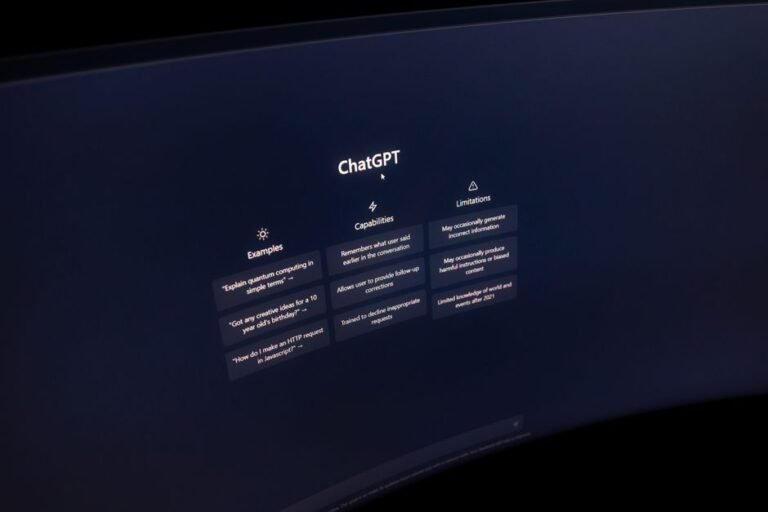
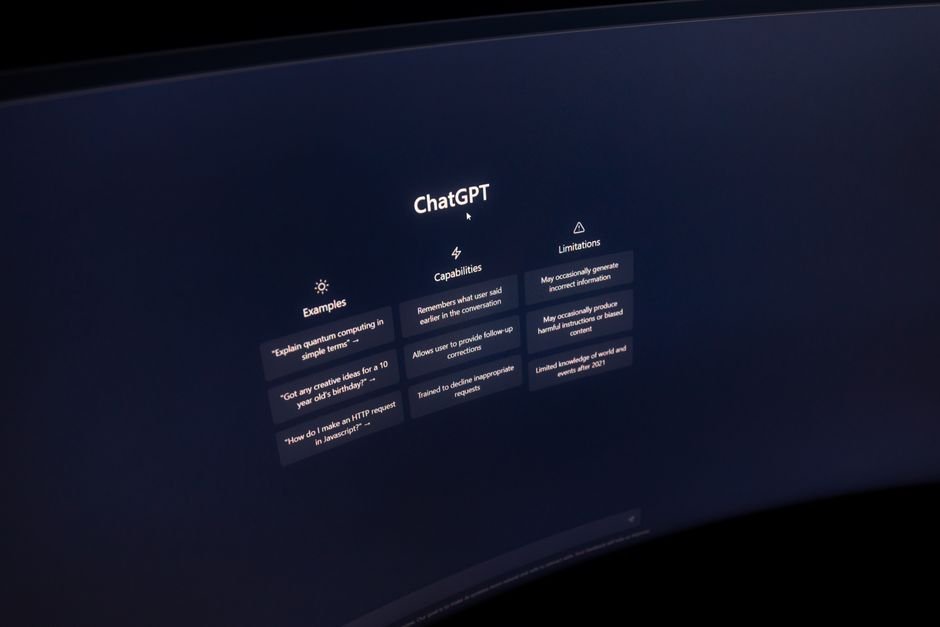
The new deployment addresses these concerns by providing employees with access to ChatGPT Enterprise. This specialized version offers advanced controls for data protection, user access management, and comprehensive security features. OpenAI emphasizes that the enterprise solution empowers organizations to manage users, apply stringent access controls, and utilize AI tools confidently within their internal security requirements.
Unlocking Potential Across Samsung’s Global Operations
In practical terms, The expanded access to these AI tools is far-reaching, covering all Samsung Electronics employees in Korea and all Device eXperience (DX) employees worldwide. The DX division is central to Samsung’s consumer offerings, encompassing smartphones, consumer electronics, and home appliances.
Samsung plans to integrate these AI capabilities across various business functions, including software development, marketing, product development, and manufacturing. Employees will utilize the tools for diverse tasks such as:
- Information search and analysis
- Document drafting and summarization
- Idea generation and development
- Data interpretation
- Code-related work, including writing, reviewing, and debugging
ChatGPT Enterprise for Knowledge-Based Tasks
For example, Beyond technical applications, ChatGPT Enterprise is poised to support a wide array of knowledge-based tasks for both technical and non-technical teams. Its ability to process and generate human-like text makes it invaluable for research, content creation, and strategic planning.
Codex: Empowering Software Development and Beyond
OpenAI’s Codex, a model specifically designed for code generation, will be instrumental in software-related tasks. It will assist engineers in writing, reviewing, and debugging code more efficiently. Interestingly, Codex is also being leveraged for broader applications, including the creation of internal tools, websites, software prototypes, and automated workflows. OpenAI notes that Codex’s utility extends to non-technical teams, helping them automate routine tasks and build custom internal solutions.
Deepening Ties: Samsung’s Strategic Partnership with OpenAI
That said, Samsung’s commitment to AI extends beyond internal tool adoption. The company has forged significant strategic partnerships with OpenAI, particularly concerning AI infrastructure:
- Memory Solutions for Stargate: In October 2025, Samsung announced its collaboration with OpenAI as a strategic memory partner for the ambitious “Stargate” AI infrastructure initiative. This involves Samsung’s semiconductor businesses supplying advanced memory solutions, including high-bandwidth memory (HBM), which is crucial for rapid data movement in AI systems. OpenAI’s memory demand for Stargate is projected to be substantial, potentially reaching up to 900,000 DRAM wafers per month.
- AI Data Centers and Enterprise Services: Samsung SDS, an IT services affiliate, is exploring a partnership with OpenAI to jointly develop AI data centers and provide enterprise AI services. This collaboration would enable Samsung SDS to offer consulting, deployment, and management services for businesses integrating OpenAI models into their internal systems.
- Reseller Partnership in Korea: Samsung SDS has also secured a reseller partnership to offer OpenAI services directly in Korea, further facilitating the adoption of ChatGPT Enterprise and other OpenAI solutions by Korean companies.
The Broader Impact: AI Adoption and Productivity Gains
The move by Samsung aligns with growing industry trends regarding AI adoption and its impact on productivity. Deloitte’s 2026 “State of AI in the Enterprise” report highlighted that a significant 66% of organizations reported productivity or efficiency gains from enterprise AI adoption. Furthermore, 53% observed improved insights and decision-making.
Interestingly, While the benefits are clear, effective implementation remains key. A Bpifrance survey reported by Reuters indicated that while 77% of 534 French mid-sized companies use generative AI, only 17% of those reported actual time savings. This underscores the importance of a well-planned, enterprise-wide deployment strategy, like the one Samsung is now pursuing.
OpenAI’s Expanding Footprint in Korea
Samsung’s initiative is part of a broader trend of OpenAI’s expanding presence and partnerships within South Korea. Other notable collaborations include:
- Seoul National University providing ChatGPT Edu to its 47,000 students, faculty, and staff.
- Kakao integrating ChatGPT responses into its popular KakaoTalk group chats.
- A growing list of Korean organizations, including LG Electronics, LG Uplus, LG CNS, GS E&C, Samsung SDS, TVING, Krafton, Toss, MUSINSA, Korea Zinc, Nexen Tire, and HanaTour, are actively utilizing ChatGPT Enterprise, OpenAI APIs, or Codex.
A New Era for Samsung’s Workforce
However, Samsung’s measured yet expansive adoption of ChatGPT Enterprise and Codex marks a pivotal moment in integrating advanced AI into its global operations. By prioritizing enterprise-grade security and enabling a broad spectrum of applications, Samsung aims to significantly boost productivity, foster innovation, and empower its diverse workforce. This strategic move, coupled with its deepening infrastructure partnerships with OpenAI, solidifies Samsung’s position at the forefront of AI integration in the enterprise world.
Expert Perspective
From an industry angle, the clearest signal around Samsung AI Access is how it may influence samsung. The story reads less like a one-day spike and more like a marker of broader movement.
The next phase will depend on how quickly teams, regulators, or customers react. In practice, that gives Samsung AI Access room to reshape expectations across enterprise over the near term.
For readers focused on practical impact, the best next step is to watch what changes around openai once attention turns into execution.
Frequently Asked Questions
Why does Samsung AI Access matter right now?
Samsung Embraces Secure Enterprise AI for Global WorkforceFor readers tracking the shift, Samsung Electronics, a global technology powerhouse, is making a significant stride in its approach to artificial intelligence.
What broader change could Samsung AI Access signal?
After previously implementing strict limitations on employee use of generative AI tools due to data security concerns, the company has now expanded access to OpenAI’s ChatGPT Enterprise and Codex for a vast number of its staff.
What should the market watch next around Samsung AI Access?
This strategic move signals Samsung’s commitment to leveraging AI’s potential for productivity and innovation, underpinned by robust enterprise-grade security measures.Navigating AI Adoption: From Restrictions to Secure ExpansionMeanwhile, In 2023, Samsung had imposed restrictions on generative AI tools like ChatGPT after concerns arose that sensitive internal information might have been inadvertently uploaded to external AI platforms.
Source: https://www.artificialintelligence-news.com/news/samsung-chatgpt-enterprise-codex-employee-ai-use/