A Bold Partnership for Mars Exploration
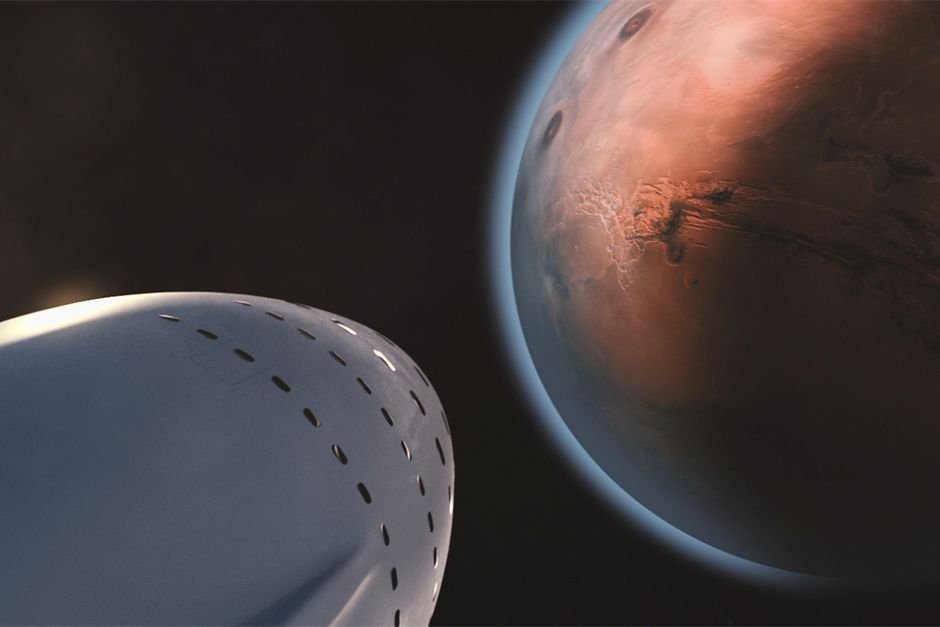
The bigger takeaway is simple: In an exciting development for space exploration, NASA has officially selected Relativity Space to undertake a vital mission to Mars. This public-private partnership marks a new chapter in how the agency leverages commercial innovation to achieve ambitious scientific goals. Relativity Space, under the leadership of its CEO Eric Schmidt, will be responsible for providing the necessary spacecraft, the rocket itself, and the intricate cruise operations required to transport the Aeolus payload safely to Mars.
Table of Contents
- A Bold Partnership for Mars Exploration
- Introducing Aeolus: Unlocking Martian Atmospheric Secrets
- Advanced Instrumentation for Safer Future Landings
- Relativity Space: A Commercial Force in Spaceflight
- Looking Ahead to 2028
- Expert Perspective
- Frequently Asked Questions
- Why is NASA Mars Aeolus Mission important?
- What impact could NASA Mars Aeolus Mission have?
- What should readers watch next with NASA Mars Aeolus Mission?
- How does this relate to space?
Introducing Aeolus: Unlocking Martian Atmospheric Secrets
Meanwhile, The primary objective of this 2028 mission is to deploy the Aeolus payload, a sophisticated scientific package designed to revolutionize our understanding of the Martian atmosphere. Upon arrival, Aeolus is slated to deliver the very first integrated, daily, and global perspective of critical atmospheric conditions on Mars. This includes detailed observations of:
- Martian Winds: Understanding wind patterns is crucial for predicting weather and planning future missions.
- Temperatures: Daily global temperature maps will offer vital data on climatic variations.
- Dust and Clouds: Monitoring dust storms and cloud formations is essential, as these phenomena can significantly impact surface operations and atmospheric conditions.
Advanced Instrumentation for Safer Future Landings
To achieve its ambitious goals, the Aeolus payload will be equipped with four advanced instruments. These instruments are not just for pure scientific curiosity; their data will play a critical role in informing and refining future entry, descent, and landing (EDL) systems for missions to Mars. By gaining a deeper understanding of the planet’s atmospheric dynamics, NASA aims to support safer, more predictable, and ultimately more successful landings for both robotic probes and potential human missions.
Relativity Space: A Commercial Force in Spaceflight
In practical terms, Relativity Space has quickly emerged as a prominent player in the private space sector, known for its innovative approach to rocket manufacturing, particularly through 3D printing technologies. The company’s CEO, Eric Schmidt, brings a wealth of experience and strategic vision from his tenure at Google, now applying it to the challenges of space travel. This selection by NASA underscores the growing confidence in commercial partners to deliver on complex and high-stakes space missions, further blurring the lines between government-led and private-sector space endeavors.
Looking Ahead to 2028
As the 2028 launch window approaches, the collaboration between NASA and Relativity Space represents a powerful synergy of public expertise and private sector agility. The Aeolus mission holds the promise of not only expanding our scientific knowledge of Mars but also paving the way for a new generation of safer and more efficient exploration efforts on the Red Planet.
Expert Perspective
A practical read on NASA Mars Aeolus Mission starts with space. That is where the earliest effects are likely to show up if this development keeps building.
What happens next will come down to adoption speed, policy response, and execution quality. That combination could make NASA Mars Aeolus Mission a meaningful reference point across mars.
For decision-makers, the useful lens is not the headline alone but how aeolus changes priorities once organizations have to respond.
Frequently Asked Questions
Why is NASA Mars Aeolus Mission important?
A Bold Partnership for Mars ExplorationThe bigger takeaway is simple: In an exciting development for space exploration, NASA has officially selected Relativity Space to undertake a vital mission to Mars.
What impact could NASA Mars Aeolus Mission have?
This public-private partnership marks a new chapter in how the agency leverages commercial innovation to achieve ambitious scientific goals.
What should readers watch next with NASA Mars Aeolus Mission?
Relativity Space, under the leadership of its CEO Eric Schmidt, will be responsible for providing the necessary spacecraft, the rocket itself, and the intricate cruise operations required to transport the Aeolus payload safely to Mars.Introducing Aeolus: Unlocking Martian Atmospheric SecretsMeanwhile, The primary objective of this 2028 mission is to deploy the Aeolus payload, a sophisticated scientific package designed to revolutionize our understanding of the Martian atmosphere.
How does this relate to space?
It connects because the article frames space as one of the clearest areas where the topic may be felt in practice.
Source: https://www.theverge.com/science/952988/nasa-relativity-space-eric-schmidt-mars