Tackling Climate Change: A Partnership for the Planet and People
The central development is this: In a significant move to combat climate change and support sustainable development, Google has announced a long-term agreement with Thryve.Earth. This ambitious partnership is set to drive substantial agroforestry efforts, aiming to remove an impressive 260,000 tons of carbon from the atmosphere while simultaneously bolstering the livelihoods of farmers.
Table of Contents
- Tackling Climate Change: A Partnership for the Planet and People
- Expert Perspective
- Frequently Asked Questions
- What is Agroforestry and Why Is It So Important?
- Google’s Commitment: A Long-Term Vision with Thryve.Earth
- A Dual Impact: Environment and Livelihoods
- Google’s Broader Sustainability Efforts
- Looking Ahead: Scaling Impact Through Collaboration
- Why does Agroforestry Carbon Removal matter right now?
- What broader change could Agroforestry Carbon Removal signal?
- What should the market watch next around Agroforestry Carbon Removal?
Meanwhile, This initiative highlights a growing trend among tech giants to invest in nature-based solutions, recognizing the dual benefits they offer for both environmental restoration and socio-economic empowerment.
What is Agroforestry and Why Is It So Important?
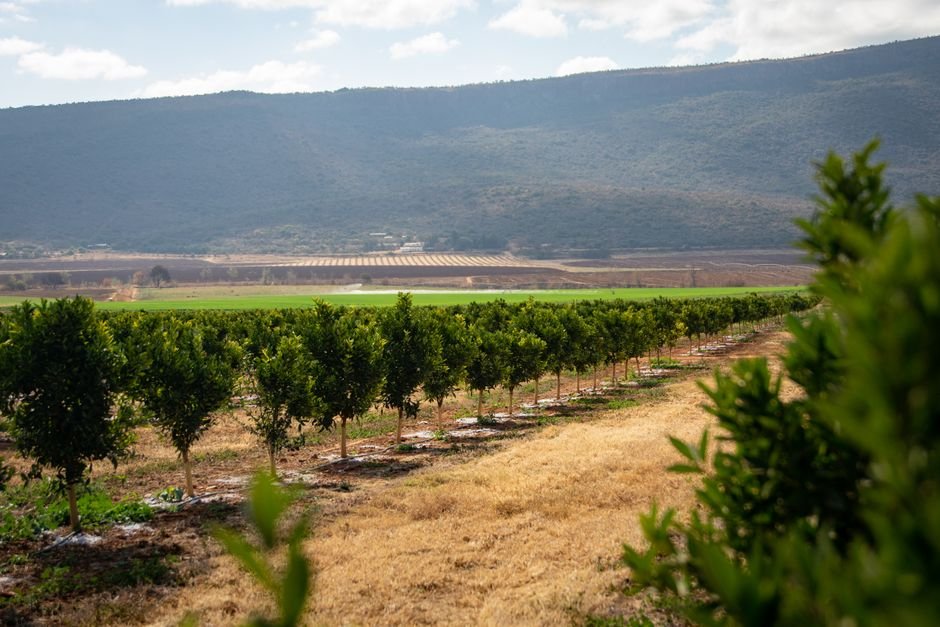
Agroforestry is a land-use management system in which trees or shrubs are grown around or among crops or pastureland. It combines agriculture and forestry practices to create more diverse, productive, profitable, healthy, and sustainable land-use systems.
- Carbon Sequestration: Trees are natural carbon sinks, absorbing CO2 from the atmosphere. Integrating them into agricultural landscapes significantly enhances carbon removal capacity.
- Biodiversity Enhancement: Diverse plant life supports a wider range of animal species and improves ecosystem health.
- Soil Health Improvement: Trees help prevent erosion, enrich soil with organic matter, and improve water retention.
- Economic Benefits: Farmers can diversify their income streams through tree products (fruits, nuts, timber) and improved crop yields.
In practical terms, By promoting agroforestry, this partnership addresses climate change directly while fostering resilient agricultural systems.
Google’s Commitment: A Long-Term Vision with Thryve.Earth
The core of this announcement is Google’s long-term agreement with Thryve.Earth, an organization dedicated to scaling nature-based climate solutions. This collaboration will focus on implementing and expanding agroforestry projects that deliver quantifiable carbon removal.
For example, The target of 260,000 tons of carbon removal underscores the scale and ambition of this initiative. It represents a tangible step towards mitigating the effects of greenhouse gas emissions and contributing to global climate goals.
“Our partnership with Thryve.Earth is a testament to Google’s commitment to not only reduce our own carbon footprint but also to invest in innovative, nature-based solutions that benefit communities and the planet.”
A Dual Impact: Environment and Livelihoods
That said, Beyond the impressive carbon removal figures, a crucial aspect of this partnership is its positive impact on farmer livelihoods. Agroforestry projects are designed to be economically beneficial for local communities:
- Diversified Income: Farmers gain new revenue streams from tree products, reducing reliance on single crops.
- Increased Resilience: Agroforestry systems are often more resilient to climate variability, providing greater stability for farmers.
- Sustainable Practices: Encourages environmentally sound farming methods that protect natural resources for future generations.
This holistic approach ensures that climate action goes hand-in-hand with social equity and economic development.
Google’s Broader Sustainability Efforts
Interestingly, This collaboration with Thryve.Earth fits within Google’s broader sustainability agenda. The company has publicly committed to operating on carbon-free energy 24/7 by 2030 and continually invests in various initiatives aimed at environmental protection and restoration. Partnerships like this demonstrate a commitment to leveraging resources and influence to drive significant positive change globally.
Looking Ahead: Scaling Impact Through Collaboration
The Google-Thryve.Earth partnership serves as a powerful example of how large corporations can contribute meaningfully to climate solutions through strategic alliances. By investing in agroforestry, they are not only removing carbon from the atmosphere but also cultivating a healthier planet and stronger, more sustainable communities for the future.
Expert Perspective
From an industry angle, the clearest signal around Agroforestry Carbon Removal is how it may influence carbon. The story reads less like a one-day spike and more like a marker of broader movement.
The next phase will depend on how quickly teams, regulators, or customers react. In practice, that gives Agroforestry Carbon Removal room to reshape expectations across climate over the near term.
For readers focused on practical impact, the best next step is to watch what changes around agroforestry once attention turns into execution.
Frequently Asked Questions
Why does Agroforestry Carbon Removal matter right now?
Tackling Climate Change: A Partnership for the Planet and PeopleThe central development is this: In a significant move to combat climate change and support sustainable development, Google has announced a long-term agreement with Thryve.Earth.
What broader change could Agroforestry Carbon Removal signal?
This ambitious partnership is set to drive substantial agroforestry efforts, aiming to remove an impressive 260,000 tons of carbon from the atmosphere while simultaneously bolstering the livelihoods of farmers.Meanwhile, This initiative highlights a growing trend among tech giants to invest in nature-based solutions, recognizing the dual benefits they offer for both environmental restoration and socio-economic empowerment.What is Agroforestry and Why Is It So Important?Agroforestry is a land-use management system in which trees or shrubs are grown around or among crops or pastureland.
What should the market watch next around Agroforestry Carbon Removal?
It combines agriculture and forestry practices to create more diverse, productive, profitable, healthy, and sustainable land-use systems.Carbon Sequestration: Trees are natural carbon sinks, absorbing CO2 from the atmosphere.
Source: https://blog.google/company-news/outreach-and-initiatives/sustainability/thryve-earth-agroforestry/