The Dawn of Intelligent Warehousing
For readers tracking the shift, The landscape of logistics is undergoing a profound transformation, with artificial intelligence (AI) emerging as a pivotal force. As logistics operators transition from experimental software trials to live deployments in their facilities, Gartner highlights a significant shift. The research firm confirms that the logistics infrastructure has reached a critical adoption threshold, driven by a confluence of pressing factors.
Table of Contents
- The Dawn of Intelligent Warehousing
- Understanding Gartner’s Four AI Tiers
- A Pragmatic Path to AI Adoption
- The Resilient Warehouse of Tomorrow
- Expert Perspective
- Frequently Asked Questions
- Tier 1: Advanced Optimization and Generative Planning
- Tier 2: Dynamic Documentation with Machine Learning
- Tier 3: Semi-Autonomous AI Agents
- Tier 4: Physical Warehouse Automation
- Why is warehouse AI automation important?
- What impact could warehouse AI automation have?
- What should readers watch next with warehouse AI automation?
- How does this relate to logistics?
Three primary pressures are accelerating this widespread change across the sector:
- Persistent Worker Deficits: A continuous shortage of labor makes automated systems not just beneficial, but increasingly mandatory for logistics facilities to maintain operational capacity.
- Lower Initial Capital Requirements: Software commercial models have evolved, now offering more accessible entry points with reduced upfront investment.
- Production-Grade Reliability: The underlying AI algorithms and autonomous machinery have matured, achieving a level of reliability suitable for demanding production environments.
Gartner evaluates these advanced systems across two key performance axes: their intelligence sophistication and their operational action orientation. This framework helps to categorize the diverse applications of AI in modern warehousing.
Understanding Gartner’s Four AI Tiers
In practical terms, According to Federica Stufano, Senior Principal Analyst in Gartner’s Supply Chain practice, these advancements are interconnected, reflecting a broader evolution.
“These four AI trends are interconnected and reflect the evolution of a more intelligent, adaptive, and resilient warehouse environment,” Stufano noted.
For successful enterprise deployment, Stufano emphasizes the need for clear system visibility, enabling supervisors to understand automated reasoning and ensuring human staff can effectively collaborate with AI tools to address specific facility challenges.
Tier 1: Advanced Optimization and Generative Planning
Modern warehouse management suites are moving beyond rigid, traditional mathematical models. Instead of relying on static spreadsheets or basic decision trees, today’s calculation engines leverage live floor telemetry to dynamically direct facility operations. These refined algorithms are applied to critical workflows, including:
- Demand forecasting
- Shift planning
- Travel routing
- Stock placement
For example, This dynamic adjustment capability allows systems to recalculate inventory movements as order profiles fluctuate throughout a shift. The result is a significant reduction in operational expenditure and a notable increase in the productivity of physical assets. Crucially, the underlying logic maintains the deterministic audit trails required by logistics directors for regulatory compliance.
Tier 2: Dynamic Documentation with Machine Learning
Beyond structured data, machine learning models are now interpreting unstructured facility data, such as equipment maintenance records, vendor delivery receipts, and incident tickets. Operational generative systems compile this information to produce dynamic documentation. This capability allows software agents to:
- Generate instant standard operating procedures (SOPs).
- Provide updated picking instructions when unexpected supplier delays disrupt schedules.
- Deliver real-time exception-handling guides directly to floor supervisors’ handheld terminals.
That said, This means technicians no longer need to search static manuals during equipment faults; instead, they receive context-specific repair instructions generated from historical maintenance archives, drastically improving response times and efficiency.
Tier 3: Semi-Autonomous AI Agents
Semi-autonomous software agents are designed to handle complex workflows by combining analytical evaluation with essential human validation. These intelligent systems can:
- Inspect active floor queues.
- Reassign picking tasks.
- Redistribute warehouse machinery across loading bays.
Interestingly, A key aspect of this tier is the retention of manual override authority by human managers for high-value decisions. The software presents recommended operational sequences, but floor supervisors confirm the dispatch order before execution. This shared supervisory framework not only prevents workflow interruptions but also significantly accelerates response times to issues like dock congestion.
Tier 4: Physical Warehouse Automation
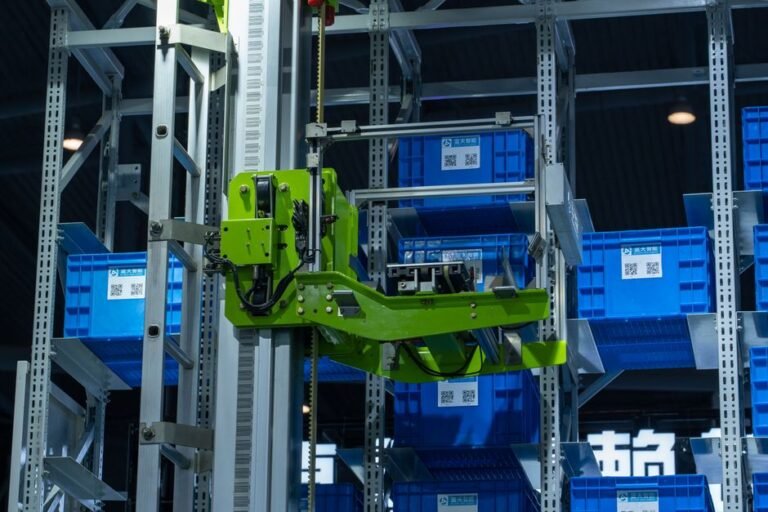
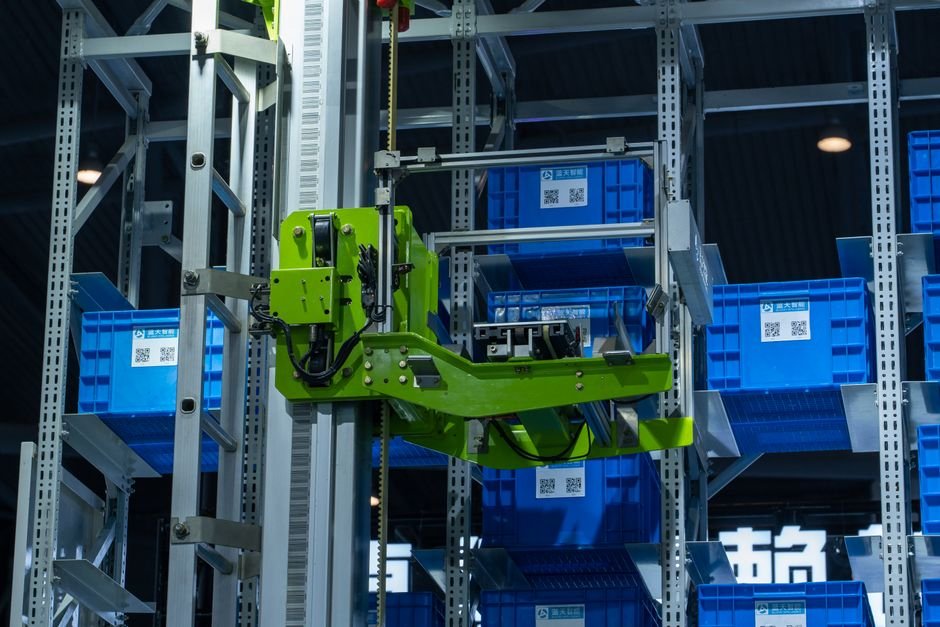
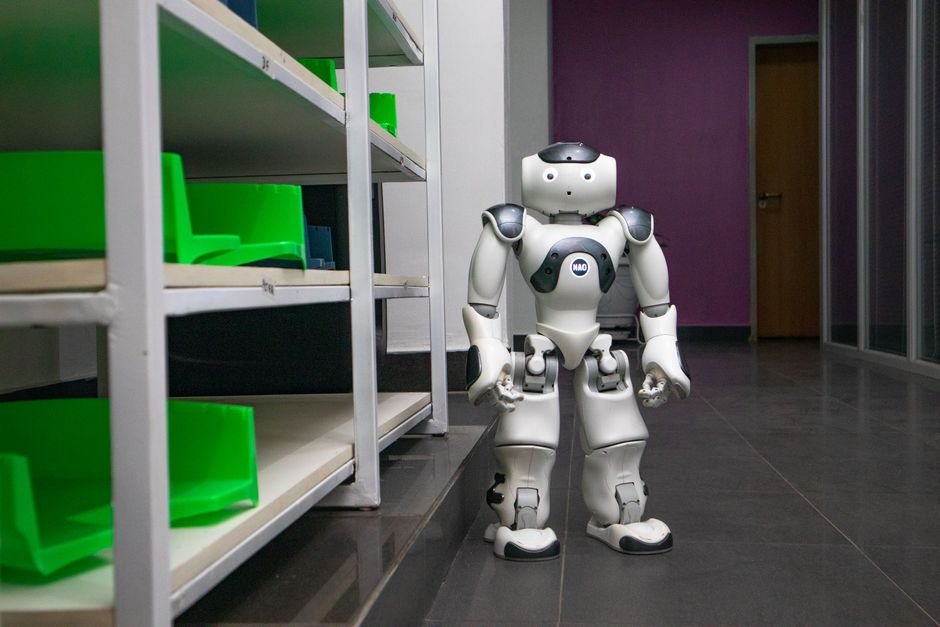
The highest tier involves the direct integration of machine learning algorithms with industrial robotics and spatial sensors. These autonomous physical systems are capable of executing a wide range of tasks, including:
- Picking
- Packing
- Parcel sorting
- Pallet transit across loading bays
However, These robotic platforms maintain high positional accuracy across multi-shift schedules. Deployment teams report benefits such as steadier item velocity and a reduction in physical injuries, particularly in palletizing zones. Automated equipment is proving vital in helping logistics directors meet volume commitments, especially in regions facing severe hiring deficits.
A Pragmatic Path to AI Adoption
For supply chain leaders looking to integrate these AI advancements, Federica Stufano advises a pragmatic approach.
“Supply chain leaders should take a pragmatic approach to AI in warehousing by tackling proven use cases, such as labour forecasting and slotting, and expanding into generative AI and agents where it can improve decision-making and workforce productivity,” Stufano explained.
Meanwhile, This suggests a phased deployment strategy. Distribution centers can establish steady operational baselines by first deploying proven inventory optimization tools. As workforce familiarity with algorithmic systems matures, operations teams can then progressively introduce more advanced solutions like agentic assistants and autonomous lift trucks.
The Resilient Warehouse of Tomorrow
The evolution of AI in warehouse automation, as outlined by Gartner, paints a clear picture of an increasingly intelligent, adaptive, and resilient future for logistics. By understanding and strategically adopting these four tiers of AI, businesses can navigate current challenges like labor shortages and rising operational costs, paving the way for more efficient, safer, and ultimately more productive supply chain operations.
Expert Perspective
A practical read on warehouse AI automation starts with logistics. That is where the earliest effects are likely to show up if this development keeps building.
What happens next will come down to adoption speed, policy response, and execution quality. That combination could make warehouse AI automation a meaningful reference point across systems.
For decision-makers, the useful lens is not the headline alone but how tier changes priorities once organizations have to respond.
Frequently Asked Questions
Why is warehouse AI automation important?
The Dawn of Intelligent WarehousingFor readers tracking the shift, The landscape of logistics is undergoing a profound transformation, with artificial intelligence (AI) emerging as a pivotal force.
What impact could warehouse AI automation have?
As logistics operators transition from experimental software trials to live deployments in their facilities, Gartner highlights a significant shift.
What should readers watch next with warehouse AI automation?
The research firm confirms that the logistics infrastructure has reached a critical adoption threshold, driven by a confluence of pressing factors.Three primary pressures are accelerating this widespread change across the sector:Persistent Worker Deficits: A continuous shortage of labor makes automated systems not just beneficial, but increasingly mandatory for logistics facilities to maintain operational capacity.Lower Initial Capital Requirements: Software commercial models have evolved, now offering more accessible entry points with reduced upfront investment.Production-Grade Reliability: The underlying AI algorithms and autonomous machinery have matured, achieving a level of reliability suitable for demanding production environments.Gartner evaluates these advanced systems across two key performance axes: their intelligence sophistication and their operational action orientation.
How does this relate to logistics?
It connects because the article frames logistics as one of the clearest areas where the topic may be felt in practice.