The Future is Flexible, But Is It Stable?
At a glance, Foldable smartphones have captivated the tech world, promising a convergence of tablet-sized screens and pocketable convenience. Devices like Samsung’s Z Fold series have pushed the boundaries of what’s possible, showcasing remarkable engineering advancements. Yet, amidst the excitement and iterative improvements, a subtle but significant challenge continues to persist: the dreaded “wobble.” This issue, often overlooked in glossy advertisements, can profoundly impact the user experience, and it’s a problem that even rumored future contenders, such as an “iPhone Ultra,” might struggle to fully remedy.
Table of Contents
- The Future is Flexible, But Is It Stable?
- Understanding the “Wobble” Phenomenon
- Samsung’s Progress and Lingering Challenges
- Engineering Hurdles Behind the Wobble
- Can a New Entrant Like iPhone Ultra Make a Difference?
- The Path Forward for Foldable Innovation
- The Quest for a Truly Stable Foldable
- Expert Perspective
- Frequently Asked Questions
- The Impact on Daily Use
- Why does Foldable Phone Wobble matter right now?
- What broader change could Foldable Phone Wobble signal?
- What should the market watch next around Foldable Phone Wobble?
Understanding the “Wobble” Phenomenon
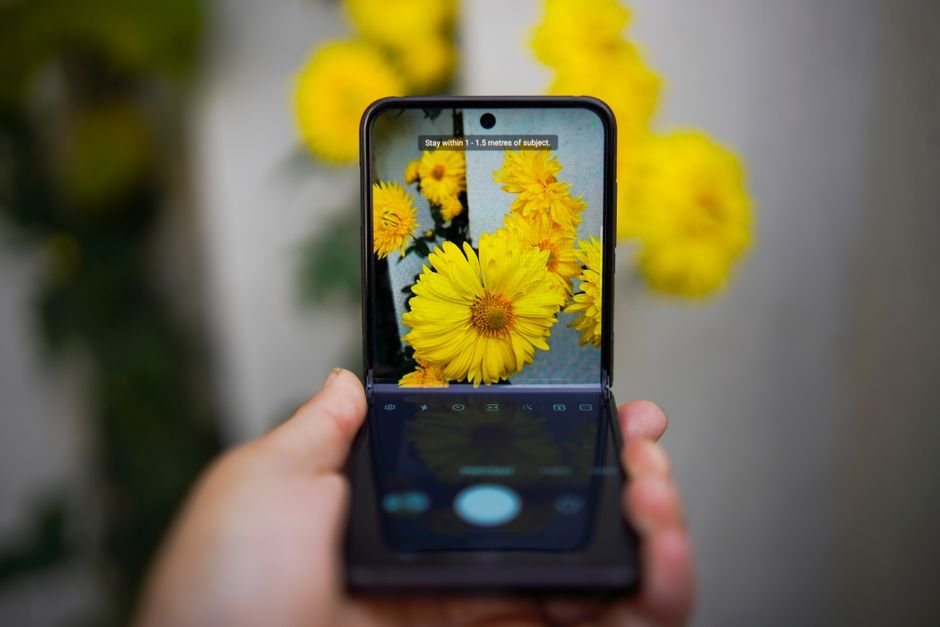
Meanwhile, What exactly is this “wobble”? Imagine interacting with your phone’s screen while it’s unfolded into its larger, tablet-like state.
When you tap, swipe, or type on the flexible display, especially near the center crease or on one side while the other is resting, the device can exhibit a slight but noticeable instability. This isn’t necessarily a hinge defect, but rather a characteristic of its design, where the large, thin display and the hinge mechanism don’t always provide a perfectly rigid, flat surface, particularly when pressure is applied unevenly.
The Impact on Daily Use
- Typing Frustration: Trying to write a long email or message can become irritating if the screen subtly shifts or flexes with each key press, leading to missed inputs or a feeling of imprecision.
- Gaming and Productivity: For tasks requiring precise touch input, like gaming or intricate design work, the wobble can break immersion and hinder accuracy.
- General Interaction: Even simple browsing or scrolling can feel less premium and more delicate when the screen isn’t perfectly stable under your fingertips.
Samsung’s Progress and Lingering Challenges
Samsung, a pioneer in the foldable space, has made tremendous strides with its Z Fold line. Each generation has brought improvements to hinge durability, crease visibility, and overall device robustness. The hinges are more robust, the screens are more durable, and the form factor has matured significantly.
However, the fundamental physics of a large, flexible screen supported by a complex hinge means that achieving absolute rigidity across the entire surface remains an elusive goal. While the Z Fold series has mitigated some aspects of the wobble, it hasn’t entirely eliminated it, especially when the device is used on a flat surface or held in certain ways.
Engineering Hurdles Behind the Wobble
In practical terms, Solving the wobble isn’t a simple task. It’s a complex interplay of several engineering challenges:
- Hinge Design: The hinge must allow for smooth folding while also providing sufficient rigidity when unfolded. Too much flexibility when unfolded leads to wobble; too much rigidity makes folding difficult or bulky.
- Screen Material: Flexible displays, by their very nature, are designed to bend. Reinforcing them enough to resist minor pressure without compromising their ability to fold is a delicate balance.
- Weight Distribution: The internal components, battery, and cameras are distributed across two halves, and achieving perfect balance when unfolded can be tricky, contributing to uneven stability.
- Thinness Demands: Consumers expect sleek, thin devices. Adding structural elements to combat wobble might increase thickness or weight, which goes against current design trends.
Can a New Entrant Like iPhone Ultra Make a Difference?
Rumors of an “iPhone Ultra” or an Apple foldable device have circulated for years, sparking hope among many that Apple’s renowned engineering prowess could finally crack the code on persistent foldable issues. While Apple is known for its meticulous attention to detail and innovative solutions, the wobble problem is not unique to Samsung; it’s an inherent challenge of the foldable form factor itself.
Even with Apple’s resources, overcoming the fundamental physics of flexible displays and complex hinges while maintaining a slim, elegant design will be a monumental task. It’s plausible they could mitigate it further, but outright elimination without significant compromises seems unlikely in the near future.
The Path Forward for Foldable Innovation
For example, For foldable phones to truly go mainstream and appeal to a wider audience, addressing the wobble is crucial. Future innovations will likely focus on:
- Advanced Hinge Mechanisms: Developing hinges that offer greater rigidity when locked open, perhaps with multi-stage locking or more robust support structures.
- Self-Healing or Adaptive Screen Materials: Materials that can dynamically stiffen when unfolded or provide internal support.
- Integrated Support Systems: Perhaps tiny, retractable feet or support elements that deploy when the device is fully open, offering additional stability.
The Quest for a Truly Stable Foldable
Foldable phones represent an exciting leap in mobile technology, but their journey to perfection is far from over. The “wobble” problem, while seemingly minor, highlights the intricate challenges involved in marrying flexibility with stability.
As manufacturers continue to refine their designs and explore new materials, the quest for a foldable phone that feels as solid and unwavering as a traditional slab phone remains a key frontier. Only then can these innovative devices truly deliver on their promise of a seamless, uncompromised user experience.
Expert Perspective
From an industry angle, the clearest signal around Foldable Phone Wobble is how it may influence wobble. The story reads less like a one-day spike and more like a marker of broader movement.
The next phase will depend on how quickly teams, regulators, or customers react. In practice, that gives Foldable Phone Wobble room to reshape expectations across foldable over the near term.
For readers focused on practical impact, the best next step is to watch what changes around hinge once attention turns into execution.
Frequently Asked Questions
Why does Foldable Phone Wobble matter right now?
The Future is Flexible, But Is It Stable?At a glance, Foldable smartphones have captivated the tech world, promising a convergence of tablet-sized screens and pocketable convenience.
What broader change could Foldable Phone Wobble signal?
Devices like Samsung’s Z Fold series have pushed the boundaries of what’s possible, showcasing remarkable engineering advancements.
What should the market watch next around Foldable Phone Wobble?
Yet, amidst the excitement and iterative improvements, a subtle but significant challenge continues to persist: the dreaded “wobble.” This issue, often overlooked in glossy advertisements, can profoundly impact the user experience, and it’s a problem that even rumored future contenders, such as an “iPhone Ultra,” might struggle to fully remedy.Understanding the “Wobble” PhenomenonMeanwhile, What exactly is this “wobble”?
Source: https://www.engadget.com/2246419/foldable-phones-still-need-to-fix-biggest-problem-wobble/