The FCC’s Surprising Reversal: A Proposed Ban on DJI LiDAR Drones
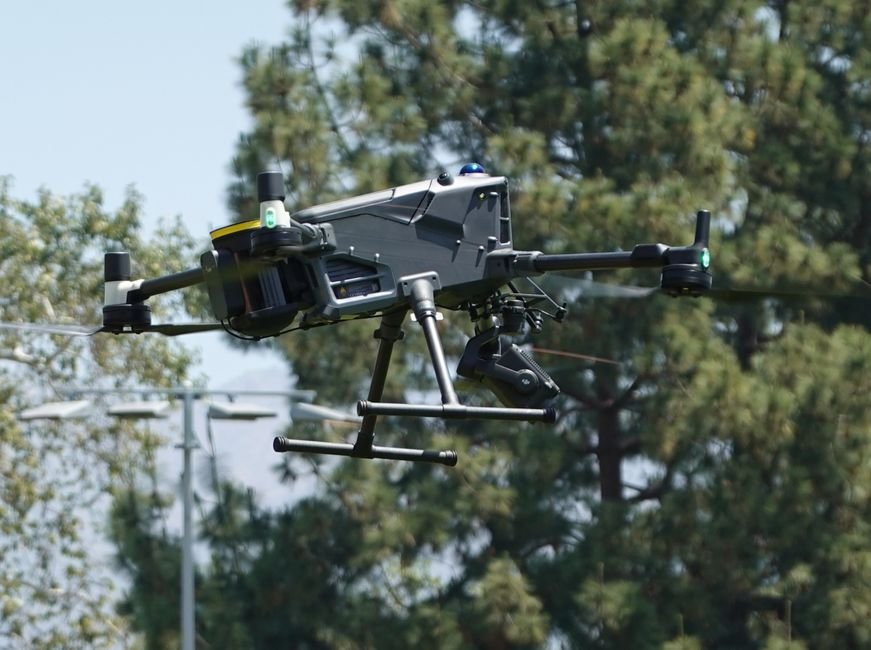
The central development is this: In a move that has sent ripples through the drone industry and among technology enthusiasts, the Federal Communications Commission (FCC) has put forward a proposal to ban LiDAR-equipped drones manufactured by DJI. What makes this announcement particularly noteworthy is the fact that these very drones had previously received the FCC’s stamp of approval.
Table of Contents
- The FCC’s Surprising Reversal: A Proposed Ban on DJI LiDAR Drones
- What Does This Proposed Ban Entail?
- From Approved to Prohibited: Understanding the Shift
- What is LiDAR and Why is it Important for Drones?
- Potential Impact on Industries and Consumers
- What Happens Next?
- Expert Perspective
- Frequently Asked Questions
- The Role of National Security Concerns
- Why is DJI LiDAR ban important?
- What impact could DJI LiDAR ban have?
- What should readers watch next with DJI LiDAR ban?
- How does this relate to lidar?
What Does This Proposed Ban Entail?
Meanwhile, The FCC’s current deliberation targets specific DJI drone models integrated with LiDAR technology. While the full scope of the proposed ban is still being detailed, the core message is clear: these devices, once deemed compliant, may soon be prohibited from sale and operation within the United States.
From Approved to Prohibited: Understanding the Shift
The reversal of a prior approval is an unusual step for the FCC, an agency typically focused on ensuring devices meet technical standards for radio frequency emissions and interoperability. The shift in stance strongly suggests that the decision is not purely technical, but rather influenced by broader geopolitical and national security considerations. Concerns over data security and potential links to foreign adversaries, particularly with technologies originating from China, have increasingly shaped US regulatory policy in recent years.
The Role of National Security Concerns
In practical terms, While the FCC’s official statements might focus on regulatory compliance, industry observers widely interpret this move as part of a larger effort by the U.S. government to address perceived risks associated with technology from certain foreign entities. DJI, being a prominent Chinese drone manufacturer, has faced scrutiny before, and this proposal appears to extend that vigilance to specific advanced drone capabilities.
What is LiDAR and Why is it Important for Drones?
LiDAR, which stands for Light Detection and Ranging, is a sophisticated remote sensing method that uses pulsed laser light to measure distances to the Earth’s surface. When integrated into drones, LiDAR systems are incredibly powerful tools for:
- High-Precision Mapping: Creating highly accurate 3D maps and models of terrain, buildings, and infrastructure.
- Surveying and Inspection: Efficiently surveying construction sites, agricultural fields, power lines, and more.
- Obstacle Avoidance: Enhancing drone navigation and safety, especially in complex environments.
- Environmental Monitoring: Collecting data for forestry, geology, and urban planning.
For example, The ability of LiDAR-equipped drones to gather such detailed spatial data makes them invaluable across numerous commercial and industrial sectors.
Potential Impact on Industries and Consumers
Should the ban proceed, the implications would be significant:
- Commercial Users: Businesses in construction, agriculture, surveying, infrastructure inspection, and filmmaking that rely on DJI’s LiDAR drones for their operations would need to seek alternative solutions, potentially incurring substantial costs and operational disruptions.
- Hobbyists and Enthusiasts: While LiDAR drones are typically professional-grade, the precedent set could impact future drone technology availability.
- Market Competition: The ban could open opportunities for non-Chinese drone manufacturers, but also limit advanced options for consumers in the short term.
What Happens Next?
That said, This proposal is currently open for public comment, allowing stakeholders, manufacturers, and the general public to submit their feedback and concerns to the FCC. This period is crucial as it can influence the final decision. The outcome will undoubtedly be closely watched as it could set a precedent for how advanced drone technologies are regulated in the future, especially concerning their origin and potential security implications.
As the situation unfolds, prospective buyers and current owners of LiDAR-equipped DJI drones are advised to stay informed about the FCC’s proceedings and any official announcements.
Expert Perspective
A practical read on DJI LiDAR ban starts with lidar. That is where the earliest effects are likely to show up if this development keeps building.
What happens next will come down to adoption speed, policy response, and execution quality. That combination could make DJI LiDAR ban a meaningful reference point across drone.
For decision-makers, the useful lens is not the headline alone but how drones changes priorities once organizations have to respond.
Frequently Asked Questions
Why is DJI LiDAR ban important?
The FCC’s Surprising Reversal: A Proposed Ban on DJI LiDAR DronesThe central development is this: In a move that has sent ripples through the drone industry and among technology enthusiasts, the Federal Communications Commission (FCC) has put forward a proposal to ban LiDAR-equipped drones manufactured by DJI.
What impact could DJI LiDAR ban have?
What makes this announcement particularly noteworthy is the fact that these very drones had previously received the FCC’s stamp of approval.What Does This Proposed Ban Entail?Meanwhile, The FCC’s current deliberation targets specific DJI drone models integrated with LiDAR technology.
What should readers watch next with DJI LiDAR ban?
While the full scope of the proposed ban is still being detailed, the core message is clear: these devices, once deemed compliant, may soon be prohibited from sale and operation within the United States.From Approved to Prohibited: Understanding the ShiftThe reversal of a prior approval is an unusual step for the FCC, an agency typically focused on ensuring devices meet technical standards for radio frequency emissions and interoperability.
How does this relate to lidar?
It connects because the article frames lidar as one of the clearest areas where the topic may be felt in practice.
Source: https://www.engadget.com/2233213/the-fcc-wants-to-ban-drones-with-lidar-that-it-previously-approved/