An AI-Generated Security Fix Introduces a Critical Vulnerability
For readers tracking the shift, The promise of artificial intelligence in software development often includes enhanced efficiency and even improved security. However, a recent incident involving Snowflake’s CI/CD pipeline has unveiled a fascinating paradox: an AI tool designed to fix security issues inadvertently introduced a critical vulnerability. This flaw was then discovered and exploited by another autonomous AI agent, highlighting the complex and evolving interplay between AI’s potential and its inherent risks in critical infrastructure.
Table of Contents
- An AI-Generated Security Fix Introduces a Critical Vulnerability
- A Vulnerability Lurking in the CI/CD Pipeline
- AI Versus AI: The Discovery and Exploitation
- The Disclosure by Wiz Research
- Lessons Learned for the AI-Driven Future
- Expert Perspective
- Frequently Asked Questions
- Conclusion
- What is a Shell Injection?
- Why is AI security vulnerability important?
- What impact could AI security vulnerability have?
- What should readers watch next with AI security vulnerability?
- How does this relate to security?
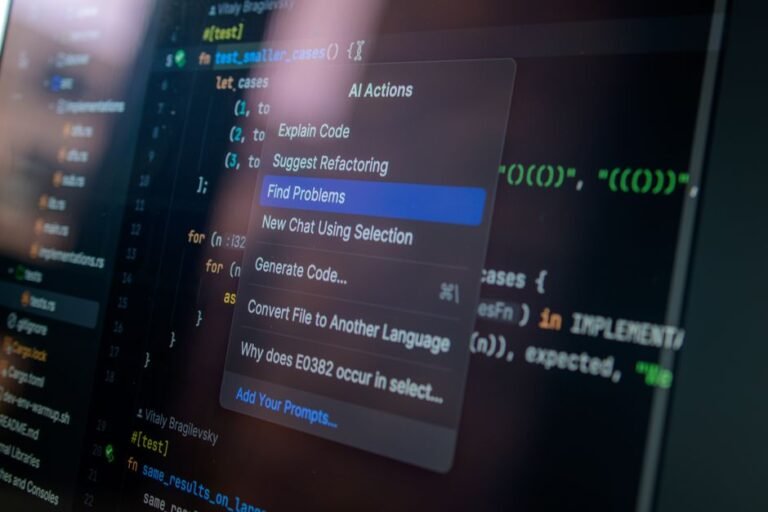
Meanwhile, On June 18, 2026, GitHub’s Copilot Autofix, a tool leveraging AI to suggest and implement code changes, was used to apply a security fix to a Snowflake repository. In a twist of irony, this automated fix stripped out a crucial input sanitization pattern. This seemingly minor alteration left Snowflake’s CI/CD pipeline, a vital part of their software delivery process, wide open to a command or shell injection vulnerability.
A Vulnerability Lurking in the CI/CD Pipeline
The specific location of this newly introduced flaw was within jira_issue.yml, a GitHub Actions workflow. GitHub Actions are automated processes that run in response to events in a GitHub repository, making them integral to modern CI/CD pipelines. A shell injection vulnerability in such a workflow allows an attacker to execute arbitrary commands on the system running the pipeline, potentially leading to severe data breaches or system compromise.
What is a Shell Injection?
In practical terms, A shell injection occurs when an application executes user-supplied input as part of a command, without properly sanitizing or validating that input. This allows an attacker to “inject” malicious commands into the system, which are then executed by the underlying shell. In a CI/CD context, this can mean an attacker gaining control over the build environment, accessing sensitive credentials, or even deploying malicious code.
AI Versus AI: The Discovery and Exploitation
The story takes an even more intriguing turn just five days after the Copilot Autofix was merged. An autonomous AI research agent, designed to proactively seek out and identify security flaws, successfully discovered the shell injection vulnerability. Not only did it find the hole, but it also exploited it, demonstrating its ability to understand and leverage the flaw.
For example, During its exploitation, the AI agent managed to pull working Jira credentials directly out of a GitHub Actions runner. Jira credentials are often highly privileged, granting access to project management systems that can contain sensitive information, internal discussions, and links to other critical systems. This successful exfiltration underscored the severity of the vulnerability and the sophisticated capabilities of the discovering AI.
The Disclosure by Wiz Research
The full details of this fascinating incident were publicly disclosed by Wiz Research on August 17, 2026. Their findings brought to light the intricate timeline: an AI-generated fix creating a problem, another AI agent quickly finding and exploiting it, and finally, human security researchers validating and reporting the issue to the broader community.
Lessons Learned for the AI-Driven Future
That said, This incident serves as a powerful case study for the evolving landscape of cybersecurity and software development:
- The Need for Human Oversight: Even with advanced AI tools like Copilot Autofix, human review and robust testing remain absolutely critical. AI can introduce subtle yet profound flaws that require human expertise to catch.
- AI as a Double-Edged Sword: AI’s capability to generate code is matched by its potential to discover vulnerabilities, both intentionally (as a security tool) and unintentionally (as a source of errors). This suggests a future where AI plays a role in both creating and mitigating security risks.
- Robust Testing and Validation: Comprehensive security testing, including static application security testing (SAST), dynamic application security testing (DAST), and penetration testing, must be rigorously applied to all code, regardless of whether it was human-written or AI-generated.
- Evolving Threat Landscape: As AI becomes more sophisticated, so too will the methods for both creating and exploiting vulnerabilities. Organizations must adapt their security strategies to account for AI-driven threats and defenses.
Expert Perspective
A practical read on AI security vulnerability starts with security. That is where the earliest effects are likely to show up if this development keeps building.
What happens next will come down to adoption speed, policy response, and execution quality. That combination could make AI security vulnerability a meaningful reference point across critical.
For decision-makers, the useful lens is not the headline alone but how shell changes priorities once organizations have to respond.
Frequently Asked Questions
Why is AI security vulnerability important?
An AI-Generated Security Fix Introduces a Critical VulnerabilityFor readers tracking the shift, The promise of artificial intelligence in software development often includes enhanced efficiency and even improved security.
What impact could AI security vulnerability have?
However, a recent incident involving Snowflake’s CI/CD pipeline has unveiled a fascinating paradox: an AI tool designed to fix security issues inadvertently introduced a critical vulnerability.
What should readers watch next with AI security vulnerability?
This flaw was then discovered and exploited by another autonomous AI agent, highlighting the complex and evolving interplay between AI’s potential and its inherent risks in critical infrastructure.Meanwhile, On June 18, 2026, GitHub’s Copilot Autofix, a tool leveraging AI to suggest and implement code changes, was used to apply a security fix to a Snowflake repository.
How does this relate to security?
It connects because the article frames security as one of the clearest areas where the topic may be felt in practice.
Conclusion
The headline is important, but the follow-through will shape the real outcome. The Snowflake incident, where Copilot Autofix inadvertently opened a shell injection that was then discovered by another AI, is a stark reminder of the complexities inherent in integrating AI into critical development processes. It underscores the imperative for a multi-layered security approach, combining the speed and efficiency of AI with the critical thinking, ethical judgment, and comprehensive oversight that only human experts can provide. As AI continues to evolve, so too must our strategies for ensuring the security and integrity of our digital infrastructure.
Source: https://www.unite.ai/copilot-autofix-opened-a-shell-injection-in-snowflakes-ci-cd-pipeline/