Audacity 4 Unleashed: A New Era for the World’s Favorite Audio Editor
At a glance, For years, Audacity has stood as a titan in the world of free audio editing software, earning its reputation as the “world’s most popular” tool for recording and manipulating sound. While incredibly capable, it often came with a steep learning curve and a somewhat clunky interface that could deter new users. That era, it seems, is now firmly in the past.
Table of Contents
- Audacity 4 Unleashed: A New Era for the World’s Favorite Audio Editor
- Expert Perspective
- Frequently Asked Questions
- The Non-Destructive Revolution: Edit with Confidence
- Beyond the Core: A Modern Look and Feel
- A Brief Detour: The Logo Controversy
- Embrace the New Audacity
- Why does Audacity 4 matter right now?
- What broader change could Audacity 4 signal?
- What should the market watch next around Audacity 4?
Meanwhile, Audacity 4 has arrived, promising a complete transformation that elevates this beloved open-source editor from a functional workhorse to a powerful, modern, and user-friendly solution. This isn’t just an incremental update; it’s a fundamental reimagining designed to streamline workflows and unlock new creative possibilities for everyone from podcasters to musicians.
The Non-Destructive Revolution: Edit with Confidence
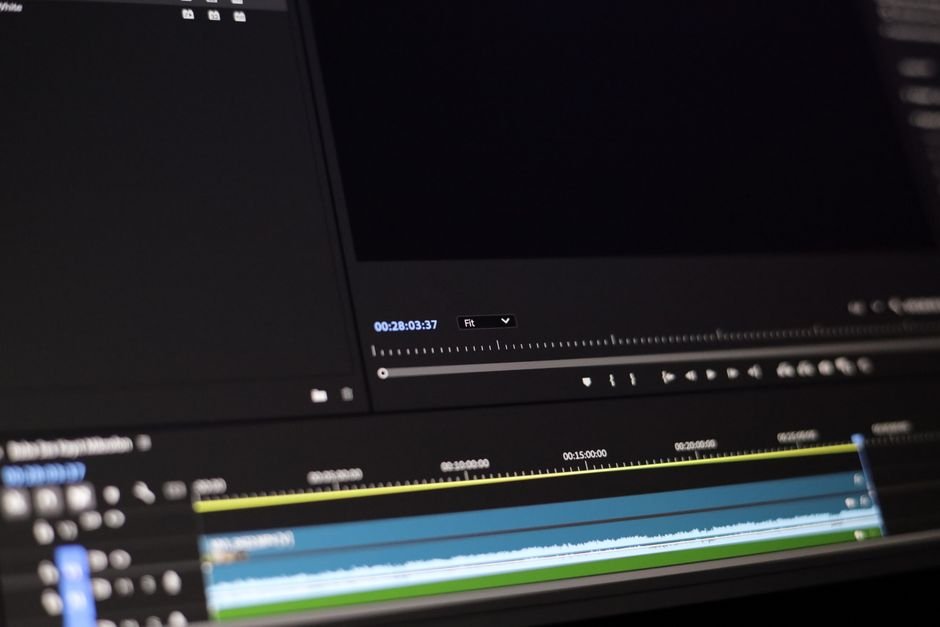
Perhaps the most monumental change in Audacity 4 is the long-awaited introduction of a non-destructive editing workflow. For seasoned audio engineers, this is a game-changer; for newcomers, it’s an essential feature that makes editing far less daunting.
In practical terms, What does non-destructive editing mean for you? Previously, when you trimmed a clip, applied an effect, or made any alteration, those changes were often permanent unless immediately undone.
This meant careful planning and often irreversible decisions. With Audacity 4, you can now:
- Trim audio clips down and easily recover the original, unedited audio at any time.
- Apply effects and adjust parameters without permanently altering the underlying waveform.
- Experiment freely with cuts, fades, and processing, knowing you can always revert or fine-tune your edits without starting over.
This new approach fosters creativity and reduces the anxiety of making mistakes, making Audacity a much more forgiving and efficient environment for all your audio projects.
Beyond the Core: A Modern Look and Feel
For example, While non-destructive editing is undoubtedly the star of the show, Audacity 4 also delivers on its promise to become a truly modern tool. Users can expect a more intuitive and polished experience across the board. Although specific details beyond the core editing paradigm are still emerging, a major revamp often implies:
- Improved user interface and experience (UI/UX) for smoother navigation.
- Enhanced performance, making the application feel snappier and more responsive.
- Potential additions or refinements to existing effects and tools, further expanding its capabilities.
The overall aim is to transform Audacity from a powerful but often cumbersome editor into one that feels as good to use as it is capable.
A Brief Detour: The Logo Controversy
That said, The journey to Audacity 4 wasn’t entirely smooth, with a minor controversy stirring last year around an early redesign of its iconic logo. Initial renditions circulating in October caused quite a stir among the community. Thankfully, the final version of the new icon is a significant improvement, moving past the early design missteps and now better reflecting the modern aesthetic of the updated software.
Embrace the New Audacity
Audacity 4 represents a significant leap forward for one of the most important tools in digital audio. By embracing non-destructive editing and a more modern design philosophy, it sheds its “clunky” reputation and emerges as a truly powerful and accessible audio editor for the contemporary creator. If you’ve been on the fence about using Audacity, or if you’re a long-time user looking for a refreshed experience, now is the perfect time to dive in and explore the new possibilities.
Expert Perspective
From an industry angle, the clearest signal around Audacity 4 is how it may influence audacity. The story reads less like a one-day spike and more like a marker of broader movement.
The next phase will depend on how quickly teams, regulators, or customers react. In practice, that gives Audacity 4 room to reshape expectations across audio over the near term.
For readers focused on practical impact, the best next step is to watch what changes around editing once attention turns into execution.
Frequently Asked Questions
Why does Audacity 4 matter right now?
Audacity 4 Unleashed: A New Era for the World’s Favorite Audio Editor At a glance, For years, Audacity has stood as a titan in the world of free audio editing software, earning its reputation as the “world’s most popular” tool for recording and manipulating sound.
What broader change could Audacity 4 signal?
While incredibly capable, it often came with a steep learning curve and a somewhat clunky interface that could deter new users.
What should the market watch next around Audacity 4?
That era, it seems, is now firmly in the past.
Source: https://www.theverge.com/tech/990658/audacity-4-update-audio-editing