The Evolving Workplace: AI as an Enabler
At a glance, For years, discussions around Artificial Intelligence in the workplace have often centered on the fear of job displacement. Will AI take our jobs? While automation certainly streamlines processes, new research from OpenAI suggests a more nuanced and perhaps more optimistic reality: AI is not just replacing tasks, but actively expanding the scope of what individuals can accomplish at work.
Table of Contents
- The Evolving Workplace: AI as an Enabler
- Expanding Horizons: New Tasks, New Skills
- The OpenAI Research: Key Insights
- Adapting to the AI-Enhanced Workplace
- The Future is Collaborative
- Expert Perspective
- Frequently Asked Questions
- Blurring the Lines Between Roles
- Why does AI at Work matter right now?
- What broader change could AI at Work signal?
- What should the market watch next around AI at Work?
Meanwhile, This paradigm shift indicates that rather than simply automating existing functions, AI tools are empowering workers to take on new responsibilities, cross traditional job boundaries, and unlock previously untapped potential within their roles.
Expanding Horizons: New Tasks, New Skills
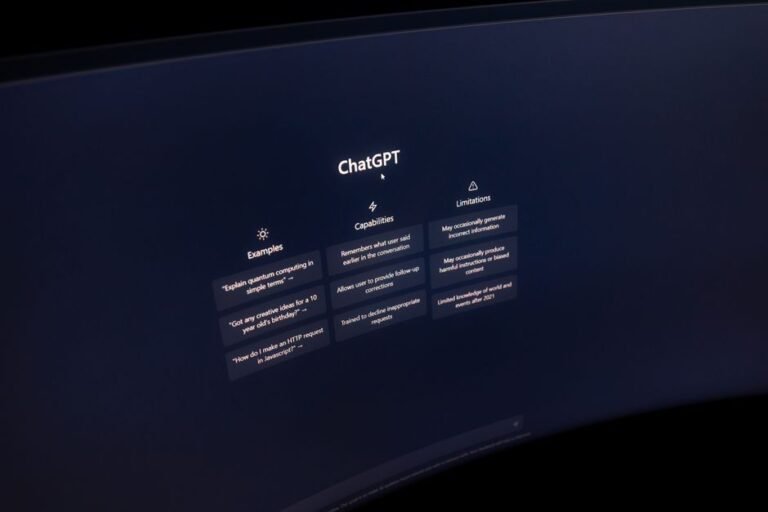
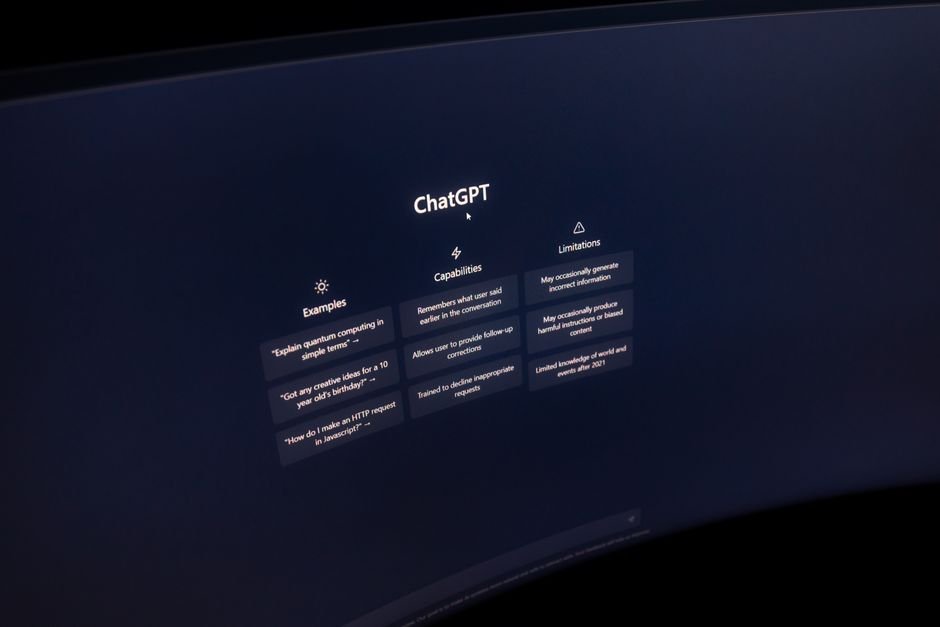
The core finding from OpenAI’s analysis highlights how users of advanced AI models, such as ChatGPT, are increasingly performing tasks that traditionally fell outside their primary job descriptions. Imagine a marketing specialist using AI to draft simple legal disclaimers, a sales professional generating preliminary market analysis reports, or an HR manager developing basic code for a survey tool. These are tasks that previously might have required specialized expertise or additional team members.
Blurring the Lines Between Roles
- Creative Augmentation: Non-designers can now generate visual concepts or refine existing graphics with AI assistance.
- Content Generation: Individuals without formal writing training can produce drafts for emails, reports, or social media posts.
- Data Interpretation: AI can help non-analysts extract insights from complex datasets, enabling quicker decision-making.
- Problem-Solving: Employees can leverage AI to brainstorm solutions, troubleshoot issues, or even learn new skills on the fly.
In practical terms, This expansion means that job roles are becoming more fluid. Employees are becoming more versatile, capable of contributing across various functions within an organization, leading to a more dynamic and adaptable workforce.
The OpenAI Research: Key Insights
The research underscores a significant trend: AI is serving as a powerful co-pilot, enabling individuals to transcend their conventional duties. By offloading repetitive or technically complex tasks to AI, workers free up time and mental energy to focus on higher-level strategic thinking, creative problem-solving, and human-centric interactions that AI cannot replicate.
For example, “New OpenAI research shows how AI is expanding what workers do, with ChatGPT users taking on tasks across roles and reshaping job boundaries.”
This insight is crucial for both employees and employers. It suggests that the future of work isn’t about humans vs. machines, but rather humans *with* machines, collaboratively pushing the boundaries of productivity and innovation.
Adapting to the AI-Enhanced Workplace
For individuals, embracing AI means cultivating a new set of skills:
- Prompt Engineering: Learning how to effectively communicate with AI to get desired outputs.
- Critical Evaluation: Developing the ability to review, refine, and verify AI-generated content.
- Interdisciplinary Thinking: Being open to applying skills across different domains.
- Continuous Learning: Staying updated with new AI tools and their capabilities.
For organizations, the implications are equally profound. It necessitates a rethinking of job descriptions, training programs, and talent acquisition strategies. Companies that empower their employees with AI tools and foster a culture of experimentation will be better positioned to harness this transformative power.
The Future is Collaborative
Interestingly, The findings from OpenAI paint a compelling picture of the future workplace. AI, particularly advanced language models like ChatGPT, is not merely a tool for efficiency but a catalyst for professional growth and broader contribution. By expanding what people do at work, AI is fostering a more skilled, versatile, and ultimately more human-centric workforce, where creativity and strategic thinking remain paramount.
Expert Perspective
From an industry angle, the clearest signal around AI at Work is how it may influence more. The story reads less like a one-day spike and more like a marker of broader movement.
The next phase will depend on how quickly teams, regulators, or customers react. In practice, that gives AI at Work room to reshape expectations across tasks over the near term.
For readers focused on practical impact, the best next step is to watch what changes around openai once attention turns into execution.
Frequently Asked Questions
Why does AI at Work matter right now?
The Evolving Workplace: AI as an Enabler At a glance, For years, discussions around Artificial Intelligence in the workplace have often centered on the fear of job displacement.
What broader change could AI at Work signal?
While automation certainly streamlines processes, new research from OpenAI suggests a more nuanced and perhaps more optimistic reality: AI is not just replacing tasks, but actively expanding the scope of what individuals can accomplish at work.
What should the market watch next around AI at Work?
Meanwhile, This paradigm shift indicates that rather than simply automating existing functions, AI tools are empowering workers to take on new responsibilities, cross traditional job boundaries, and unlock previously untapped potential within their roles.
Source: https://openai.com/index/how-ai-is-expanding-what-people-do-at-work