A New Era of Google Research Takes Flight
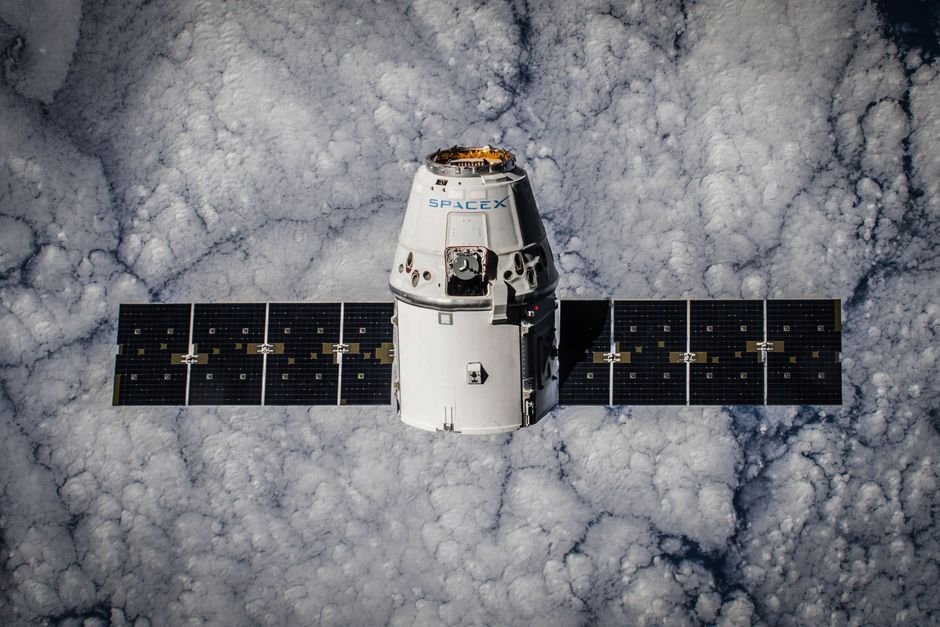
For readers tracking the shift, In a significant stride for space innovation and Earth observation, Google’s highly anticipated Project Suncatcher prototype satellite has successfully launched into orbit. Developed in close collaboration with Planet, a leading provider of global daily satellite imagery, this mission marks a pivotal moment for Google’s ongoing commitment to advanced research and development in space technology.
Table of Contents
- A New Era of Google Research Takes Flight
- Expert Perspective
- Frequently Asked Questions
- What is Project Suncatcher?
- The Power of Partnership: Google and Planet
- Journey to Orbit: SpaceX Transporter-18
- Looking Ahead: Implications for Research and Innovation
- Why does Project Suncatcher matter right now?
- What broader change could Project Suncatcher signal?
- What should the market watch next around Project Suncatcher?
Meanwhile, The successful deployment of the Suncatcher prototype signals Google’s deeper foray into leveraging satellite capabilities for various applications, potentially ranging from environmental monitoring to advanced data collection. This prototype will serve as a crucial testbed for new technologies and methodologies.
What is Project Suncatcher?
While specific details about Project Suncatcher’s full scope are still emerging, the launch of a prototype satellite suggests an initiative focused on testing novel sensor technologies, imaging capabilities, or data collection methods from low Earth orbit. The name “Suncatcher” itself hints at a potential focus on light-gathering, solar energy interactions, or perhaps advanced atmospheric or surface observations.
In practical terms, Prototype satellites are essential for validating new concepts in the harsh environment of space before committing to larger, operational constellations. This allows engineers and researchers to gather real-world data, refine designs, and ensure the reliability of their systems.
The Power of Partnership: Google and Planet
The collaboration between Google and Planet is a natural fit, combining Google’s vast research capabilities and technological expertise with Planet’s extensive experience in designing, building, and operating Earth observation satellites. Planet is renowned for its agile aerospace approach and its large fleet of Dove and SkySat satellites, which provide daily imagery of the Earth.
“Partnering with Planet brings invaluable expertise in satellite development and operation, accelerating our ability to innovate in space.” – Google Research Spokesperson (paraphrased)
For example, This partnership underscores a growing trend of tech giants collaborating with specialized space companies to push the boundaries of what’s possible in orbit. It allows both entities to leverage their core strengths, resulting in more rapid and effective advancements.
Journey to Orbit: SpaceX Transporter-18
The Project Suncatcher prototype made its journey to space aboard the SpaceX Transporter-18 rideshare mission. Rideshare missions have become a cornerstone of modern space access, allowing multiple smaller satellites from various customers to share a single launch vehicle, significantly reducing costs and increasing launch opportunities.
That said, SpaceX’s Falcon 9 rocket, known for its reusability and reliability, carried the Suncatcher prototype along with numerous other payloads, demonstrating the efficiency and accessibility of contemporary space logistics. The successful deployment confirms the satellite’s readiness to begin its operational testing phase.
Looking Ahead: Implications for Research and Innovation
The successful launch of the Project Suncatcher prototype opens new avenues for Google’s research initiatives. Data collected from this satellite could inform advancements in several fields:
- Environmental Monitoring: Enhanced capabilities for tracking climate change indicators, deforestation, or water resources.
- Geospatial Intelligence: Improving mapping services, urban planning, and disaster response.
- Technological Innovation: Paving the way for future generations of satellite hardware and software, including AI-powered analytics in space.
Interestingly, As the Suncatcher prototype begins its mission, the insights gained will undoubtedly contribute to Google’s broader efforts in artificial intelligence, machine learning, and understanding our planet from a unique vantage point. This launch is not just about a satellite; it’s about the future of data-driven discovery from space.
Expert Perspective
From an industry angle, the clearest signal around Project Suncatcher is how it may influence google. The story reads less like a one-day spike and more like a marker of broader movement.
The next phase will depend on how quickly teams, regulators, or customers react. In practice, that gives Project Suncatcher room to reshape expectations across space over the near term.
For readers focused on practical impact, the best next step is to watch what changes around suncatcher once attention turns into execution.
Frequently Asked Questions
Why does Project Suncatcher matter right now?
A New Era of Google Research Takes FlightFor readers tracking the shift, In a significant stride for space innovation and Earth observation, Google’s highly anticipated Project Suncatcher prototype satellite has successfully launched into orbit.
What broader change could Project Suncatcher signal?
Developed in close collaboration with Planet, a leading provider of global daily satellite imagery, this mission marks a pivotal moment for Google’s ongoing commitment to advanced research and development in space technology.Meanwhile, The successful deployment of the Suncatcher prototype signals Google’s deeper foray into leveraging satellite capabilities for various applications, potentially ranging from environmental monitoring to advanced data collection.
What should the market watch next around Project Suncatcher?
This prototype will serve as a crucial testbed for new technologies and methodologies.What is Project Suncatcher?While specific details about Project Suncatcher’s full scope are still emerging, the launch of a prototype satellite suggests an initiative focused on testing novel sensor technologies, imaging capabilities, or data collection methods from low Earth orbit.