America’s New Horizon: A Surge in Space Launches Expected
The bigger takeaway is simple: The United States is setting its sights on an unprecedented era of space activity. A new national space transportation policy, recently signed by the Trump administration, outlines a bold vision: supporting more than 1,000 space launches and reentries per year by the close of the decade. This ambitious target necessitates a significant expansion of infrastructure, specifically calling for the development of new spaceports, potentially utilizing federal land, to accommodate the anticipated surge.
Table of Contents
- America’s New Horizon: A Surge in Space Launches Expected
- Transforming Space Transportation: Why the Policy Update?
- The Road Ahead: Securing America’s Space Superiority
- Expert Perspective
- Frequently Asked Questions
- Why is space transportation policy important?
- What impact could space transportation policy have?
- What should readers watch next with space transportation policy?
- How does this relate to space?
Transforming Space Transportation: Why the Policy Update?
Meanwhile, This presidential memorandum marks an important evolution in the nation’s approach to space, superseding a 2013 policy established under former President Barack Obama. While both policies shared a fundamental commitment to fostering the commercial space industry and ensuring reliable access to orbit, the landscape of space transportation has undergone a dramatic transformation in the intervening years.
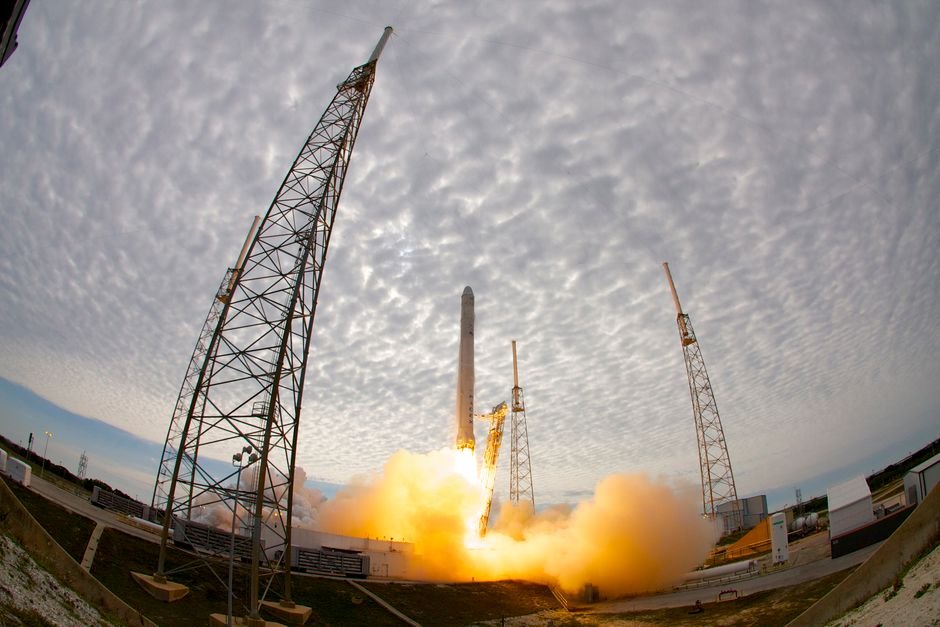
Consider the data: Just last year, the United States witnessed 176 orbital launch attempts from its soil. This figure represents nearly a tenfold increase compared to the number of launches in 2013, illustrating the explosive growth within the sector.
A significant driver of this expansion has been the private sector, with companies like SpaceX leading the charge. In the past year alone, SpaceX conducted an astonishing 165 orbital launches of its Falcon 9 rocket, alongside five suborbital test flights of its groundbreaking Starship vehicle.
The Road Ahead: Securing America’s Space Superiority
In practical terms, The new policy unequivocally states the necessity for this growth, declaring,
“By 2030, our space transportation ranges must grow to support more than 1,000 launches and reentries every year.”
This isn’t merely about increasing flight numbers; it’s about solidifying the nation’s strategic position. The memorandum emphasizes that the outlined policies are crucial to “secure America’s continued superiority in space.”
Achieving this aggressive target will require not only the physical expansion of launch facilities but also streamlined regulatory processes, continued technological innovation, and robust public-private partnerships. The call for more spaceports, including leveraging federal resources, underscores the strategic importance the government places on enabling this future.
For example, As the commercial space industry continues its rapid ascent, this new policy provides a clear framework and a powerful mandate for the infrastructure development needed to support a truly bustling space economy, ensuring the U.S. remains at the forefront of this exciting frontier.
Expert Perspective
A practical read on space transportation policy starts with space. That is where the earliest effects are likely to show up if this development keeps building.
What happens next will come down to adoption speed, policy response, and execution quality. That combination could make space transportation policy a meaningful reference point across launches.
For decision-makers, the useful lens is not the headline alone but how policy changes priorities once organizations have to respond.
Frequently Asked Questions
Why is space transportation policy important?
America’s New Horizon: A Surge in Space Launches ExpectedThe bigger takeaway is simple: The United States is setting its sights on an unprecedented era of space activity.
What impact could space transportation policy have?
A new national space transportation policy, recently signed by the Trump administration, outlines a bold vision: supporting more than 1,000 space launches and reentries per year by the close of the decade.
What should readers watch next with space transportation policy?
This ambitious target necessitates a significant expansion of infrastructure, specifically calling for the development of new spaceports, potentially utilizing federal land, to accommodate the anticipated surge.Transforming Space Transportation: Why the Policy Update?Meanwhile, This presidential memorandum marks an important evolution in the nation’s approach to space, superseding a 2013 policy established under former President Barack Obama.
How does this relate to space?
It connects because the article frames space as one of the clearest areas where the topic may be felt in practice.