At a glance, In a significant step towards more personalized health management, Google and Abbott have announced a multiyear agreement to integrate continuous glucose monitoring (CGM) data into Google’s AI-powered health coaching tools. This collaboration promises to offer users a deeper, more granular understanding of their metabolic health, moving beyond traditional fitness tracking to incorporate real-time glucose insights.
Table of Contents
- Seamless Integration: Lingo Data Meets Google Health
- How Google Health Coach Leverages Glucose Insights
- Important Disclaimers: AI as a Wellness Tool, Not Medical Advice
- Understanding Abbott’s Lingo CGM System
- Beyond Data: A Glimpse into Future Research
- Google’s Broader Vision for Health AI
- Expert Perspective
- Frequently Asked Questions
- Why is Google AI Health Coach Glucose important?
- What impact could Google AI Health Coach Glucose have?
- What should readers watch next with Google AI Health Coach Glucose?
- How does this relate to health?
Seamless Integration: Lingo Data Meets Google Health
Meanwhile, The partnership will see data from Abbott’s innovative Lingo continuous glucose monitor seamlessly flow into the Google Health app. This integration means users will soon be able to view their glucose trends alongside other crucial wellness metrics such as activity levels, sleep patterns, and recovery data, all within a single, unified platform. This holistic view aims to provide a clearer picture of how daily choices impact one’s metabolic well-being.
How Google Health Coach Leverages Glucose Insights
At the heart of this integration is the Google Health Coach, a service built with the advanced capabilities of Gemini AI. By accessing Lingo’s glucose data, combined with other personal health information, the AI coach will generate tailored recommendations.
These recommendations will span critical areas like nutrition, physical activity, sleep optimization, and recovery strategies. Access to this premium AI coaching feature will require a Google Health Premium subscription, making advanced metabolic insights available to a broader audience.
Important Disclaimers: AI as a Wellness Tool, Not Medical Advice
In practical terms, Google emphasizes that its Health Coach is designed purely for wellness and informational purposes and is explicitly not intended for medical use. The company cautions users that AI-generated responses can sometimes be inaccurate or incomplete.
Therefore, individuals are strongly advised to verify any information provided by the coach and, crucially, to consult with healthcare professionals for any medical concerns or before making health-related decisions. This responsible approach underscores the distinction between AI-powered wellness support and professional medical guidance.
It’s worth noting that the Google Health app already serves as a central hub for various health data. Users in the US can sync medical records, including lab results and medication information, and share data from compatible wearables and third-party applications via Health Connect, Apple Health, and Google Health APIs. The Lingo integration is expected to roll out later this year, further enriching this data ecosystem.
Understanding Abbott’s Lingo CGM System
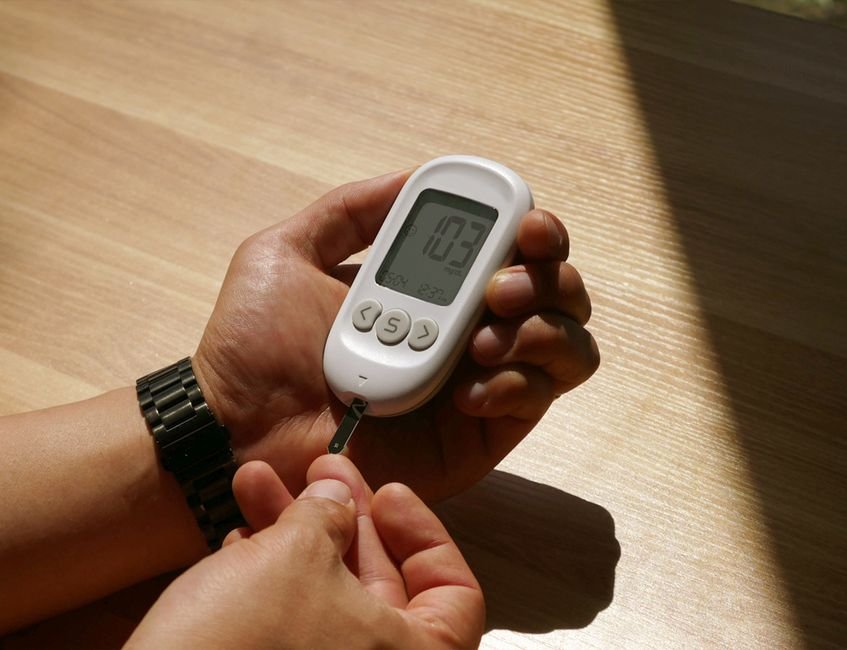
For example, Abbott’s Lingo is an over-the-counter continuous glucose monitoring system specifically designed for adults aged 18 and older who do not use insulin. This wearable device continuously tracks glucose levels in the interstitial fluid (not directly from blood) throughout the day. Its accompanying app then illustrates how factors like food intake, exercise, and other daily activities correlate with changes in glucose levels.
The Lingo sensor, inserted under the skin on the back of the upper arm, uses an electrochemical process to measure glucose and transmits readings wirelessly to the Lingo app via Bluetooth Low Energy. The app provides real-time glucose values, trend arrows, and detailed graphs. Each sensor can be worn for up to 14 days, offering continuous insights.
It’s important to differentiate Lingo from Abbott’s FreeStyle Libre 2: while they share underlying sensor technology, Lingo is intended for general wellness and understanding glucose responses, whereas FreeStyle Libre 2 is cleared specifically for diabetes management. The FDA also advises that Lingo users should not make medical decisions based on its readings without consulting a qualified healthcare professional.
Beyond Data: A Glimpse into Future Research
That said, The collaboration extends beyond immediate product integration. Abbott and Google are also embarking on a large-scale real-world study focused on metabolic health. This ambitious research initiative will combine continuous glucose readings with data from wearables, laboratory tests, and surveys.
The goal is to deeply examine the intricate relationships between activity, sleep, overall well-being, and metabolic health. The findings from this study are anticipated to play a pivotal role in refining the Google Health Coach’s algorithms and informing the development of future Lingo features, pushing the boundaries of personalized health technology.
Google’s Broader Vision for Health AI
The integration with Abbott Lingo is part of Google’s broader strategy to position its Health app as a comprehensive hub for personal wellness data. The app allows users to consolidate information from multiple sources, giving them control over what data is saved, which features are active, and the ability to export or delete their information. Google also assures users that their Health data is not used for advertising purposes.
Interestingly, Furthermore, Google’s Gemini AI is expanding its reach into other healthcare-related services. Recently, Zocdoc announced that US users can now search for and book healthcare appointments directly through the Gemini app, marking Zocdoc as Gemini’s first connected-app partner for health appointments. These developments highlight Google’s commitment to leveraging AI to make health management more accessible and integrated into daily life.
Expert Perspective
A practical read on Google AI Health Coach Glucose starts with health. That is where the earliest effects are likely to show up if this development keeps building.
What happens next will come down to adoption speed, policy response, and execution quality. That combination could make Google AI Health Coach Glucose a meaningful reference point across google.
For decision-makers, the useful lens is not the headline alone but how glucose changes priorities once organizations have to respond.
Frequently Asked Questions
Why is Google AI Health Coach Glucose important?
At a glance, In a significant step towards more personalized health management, Google and Abbott have announced a multiyear agreement to integrate continuous glucose monitoring (CGM) data into Google’s AI-powered health coaching tools.
What impact could Google AI Health Coach Glucose have?
This collaboration promises to offer users a deeper, more granular understanding of their metabolic health, moving beyond traditional fitness tracking to incorporate real-time glucose insights.Seamless Integration: Lingo Data Meets Google HealthMeanwhile, The partnership will see data from Abbott’s innovative Lingo continuous glucose monitor seamlessly flow into the Google Health app.
What should readers watch next with Google AI Health Coach Glucose?
This integration means users will soon be able to view their glucose trends alongside other crucial wellness metrics such as activity levels, sleep patterns, and recovery data, all within a single, unified platform.
How does this relate to health?
It connects because the article frames health as one of the clearest areas where the topic may be felt in practice.
Source: https://www.artificialintelligence-news.com/news/google-ai-health-coach-abbott-glucose-data/