
The Rise of AI and the Quest for Authenticity
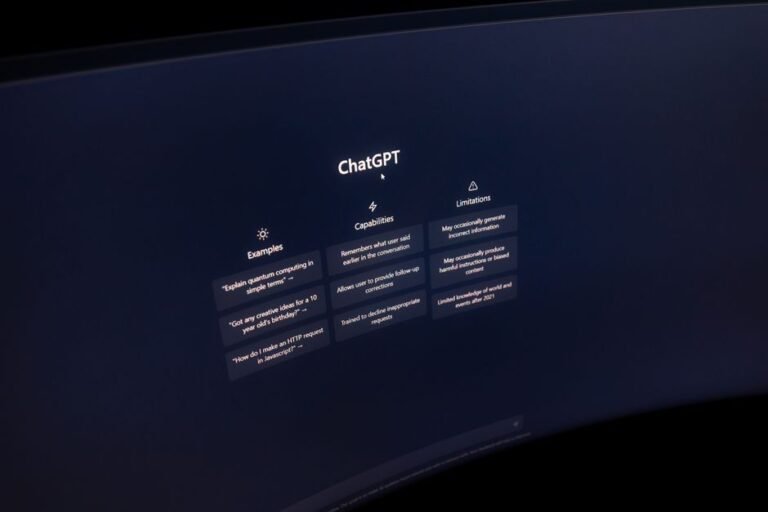
The central development is this: The rapid proliferation of sophisticated AI writing tools, spearheaded by platforms like ChatGPT, has undeniably transformed the landscape of content creation. While these innovations offer unprecedented efficiency and creative assistance, they’ve also sparked a significant concern: how do we ensure the authenticity of written work?
Table of Contents
- The Rise of AI and the Quest for Authenticity
- From Plagiarism Checkers to AI Detection
- A Culture of Suspicion and Eroding Trust
- Beyond the Algorithm: Rebuilding Trust
- Conclusion: The Path to a More Trustworthy Future
- Expert Perspective
- Frequently Asked Questions
- The Flawed Promise: Accuracy and False Positives
- Why is AI writing detectors important?
- What impact could AI writing detectors have?
- What should readers watch next with AI writing detectors?
- How does this relate to tools?
In response, AI writing detectors have emerged, positioned as the digital arbiters of originality. However, their rise has inadvertently paved the way for a new, unsettling era characterized not by clarity, but by pervasive distrust.
From Plagiarism Checkers to AI Detection
Meanwhile, For years, educators and editors have relied on anti-plagiarism software to uphold academic and professional integrity. Tools like Turnitin compare submitted texts against vast databases of existing content—from scholarly articles to web pages—flagging matching phrases and sentences. These tools often provide a percentage indicating the degree of similarity, serving as a starting point for investigation.
AI detectors represent the next evolution in this technological arms race. Instead of merely looking for copied text, they attempt to identify linguistic patterns, statistical anomalies, and stylistic hallmarks believed to be indicative of machine-generated content. The promise is clear: to differentiate human thought from algorithmic output.
The Flawed Promise: Accuracy and False Positives
In practical terms, Despite their sophisticated algorithms, AI writing detectors are far from infallible. Many of these tools are trained on specific datasets, making them prone to misinterpretations when encountering diverse human writing styles, complex sentence structures, or even content that has been edited by AI but originally human-written. The result is a disturbing rate of false positives.
- Misidentification: Human-written content, especially that which is well-structured, concise, or adheres to certain academic conventions, can be mistakenly flagged as AI-generated.
- Evolving AI: AI models are constantly improving, making it a perpetual challenge for detectors to keep pace. What one detector identifies today might be undetectable tomorrow.
- Unfair Accusations: The gravest consequence is the wrongful accusation of students and professionals, leading to severe academic penalties, reputational damage, and immense emotional distress.
A Culture of Suspicion and Eroding Trust
The reliance on imperfect AI detection tools fosters a toxic environment of suspicion. Instead of focusing on the merits of a writer’s ideas or the quality of their expression, the initial hurdle becomes proving their humanity. This erosion of trust manifests in several ways:
For example, “When automated tools are given the power to judge human integrity, and those tools are demonstrably flawed, the very foundation of trust within educational and professional communities begins to crumble.”
- Educator Burden: Educators are placed in the difficult position of having to defend findings from potentially inaccurate tools, or worse, making judgments that could unfairly impact a student’s future.
- Student Anxiety: Students face immense pressure, not only to produce original work but also to ensure it doesn’t trigger a false positive. This can stifle creativity and encourage a defensive writing style.
- Professional Skepticism: In professional settings, the constant specter of AI detection can undermine collaborative efforts and breed cynicism about the originality of colleagues’ contributions.
Beyond the Algorithm: Rebuilding Trust
While the desire to maintain integrity in the age of AI is commendable, the current approach to AI detection appears counterproductive. Moving forward, a more nuanced and human-centric strategy is essential:
- Emphasize Human Interaction: Prioritize direct engagement, discussions, and understanding a writer’s unique voice and thought process over solely relying on automated scores.
- Educate, Don’t Just Detect: Focus on teaching ethical AI use, critical thinking, and the value of original thought, rather than solely policing for AI-generated content.
- Develop Better Tools (or Acknowledge Limitations): If detection tools are to be used, they must be transparent about their limitations and provide context, not just a binary judgment.
- Promote Authentic Assessment: Design assignments and tasks that are less susceptible to AI generation, requiring critical analysis, personal reflection, and real-world application.
Conclusion: The Path to a More Trustworthy Future
That said, The advent of AI writing detectors, though well-intentioned, has inadvertently created a challenging landscape where suspicion often overshadows genuine effort. While AI continues to evolve, our approach to verifying authenticity must also mature. By prioritizing human judgment, fostering open communication, and understanding the inherent flaws of current detection technologies, we can begin to dismantle this new era of distrust and cultivate environments where creativity, originality, and integrity are genuinely valued.
Expert Perspective
A practical read on AI writing detectors starts with tools. That is where the earliest effects are likely to show up if this development keeps building.
What happens next will come down to adoption speed, policy response, and execution quality. That combination could make AI writing detectors a meaningful reference point across human.
For decision-makers, the useful lens is not the headline alone but how writing changes priorities once organizations have to respond.
Frequently Asked Questions
Why is AI writing detectors important?
The Rise of AI and the Quest for AuthenticityThe central development is this: The rapid proliferation of sophisticated AI writing tools, spearheaded by platforms like ChatGPT, has undeniably transformed the landscape of content creation.
What impact could AI writing detectors have?
While these innovations offer unprecedented efficiency and creative assistance, they’ve also sparked a significant concern: how do we ensure the authenticity of written work?In response, AI writing detectors have emerged, positioned as the digital arbiters of originality.
What should readers watch next with AI writing detectors?
However, their rise has inadvertently paved the way for a new, unsettling era characterized not by clarity, but by pervasive distrust.From Plagiarism Checkers to AI DetectionMeanwhile, For years, educators and editors have relied on anti-plagiarism software to uphold academic and professional integrity.
How does this relate to tools?
It connects because the article frames tools as one of the clearest areas where the topic may be felt in practice.
Source: https://www.theverge.com/column/976690/ai-writing-detectors-suspicion