The Expanding Footprint of Cloud Computing
The central development is this: As our digital lives become increasingly reliant on cloud services, the physical infrastructure supporting this growth often remains out of sight. Data centers, the vast warehouses of servers that power everything from streaming to e-commerce, require immense amounts of energy. A recent report has brought Amazon’s latest power venture into the spotlight, raising significant questions about the environmental cost of this digital expansion.
Table of Contents
- The Expanding Footprint of Cloud Computing
- Amazon’s Ambitious Pecos County Project
- Balancing Innovation and Environmental Responsibility
- Expert Perspective
- Frequently Asked Questions
- A Powerhouse with a Potentially Heavy Carbon Footprint
- Off-Grid Operations for Critical Demand
- Tracking the Energy Giants
- Why is Amazon Data Center Pollution important?
- What impact could Amazon Data Center Pollution have?
- What should readers watch next with Amazon Data Center Pollution?
- How does this relate to power?
Amazon’s Ambitious Pecos County Project
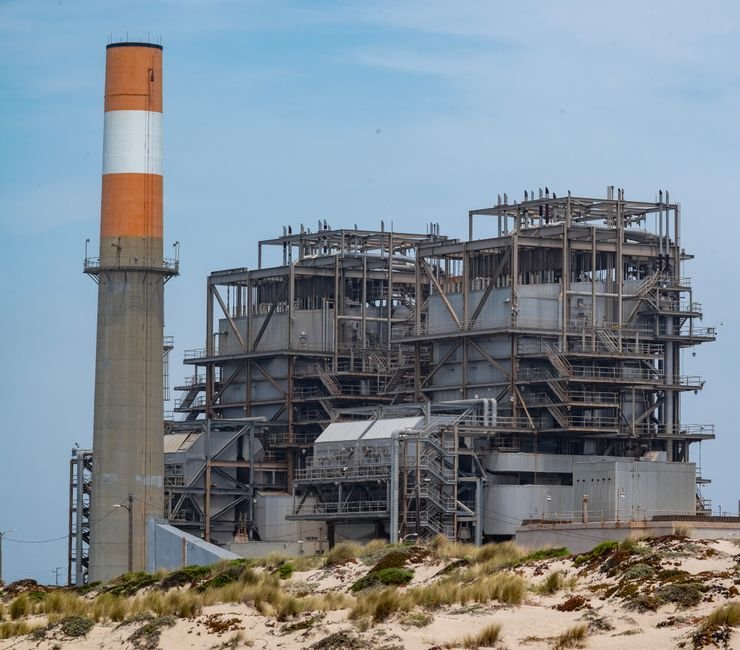
Meanwhile, In the expansive landscape of West Texas, specifically Pecos County, Amazon is making a substantial investment not just in a new data center, but also in a dedicated power plant to fuel it. This new facility is designed to meet the colossal energy demands of Amazon’s cloud operations, ensuring robust and uninterrupted service for its users.
A Powerhouse with a Potentially Heavy Carbon Footprint
What has drawn considerable attention and concern is the nature and scale of this power plant. According to a report by The New York Times, this new gas-burning facility could emerge as one of the largest individual producers of greenhouse gases across the entire United States. This potential classification underscores a significant environmental challenge associated with the rapid expansion of digital infrastructure.
Off-Grid Operations for Critical Demand
In practical terms, The new plant is slated to feature 35 natural-gas turbines, capable of generating an impressive 7.65 gigawatts of electricity. What’s particularly noteworthy is the initial operational plan: the plant would not be connected to the state’s main power grid. Instead, it would primarily supply its massive output directly to Amazon’s adjacent data center, ensuring a dedicated and reliable power source.
Tracking the Energy Giants
Organizations like Cleanview, which specialize in monitoring data centers and their associated energy projects, have been tracking this development. The GW Ranch project, as it’s known, has already secured the necessary permits from Texas authorities, paving the way for its construction and operation.
Balancing Innovation and Environmental Responsibility
For example, This project highlights a critical tension in the modern technological landscape. While cloud providers like Amazon are driving innovation and efficiency, the sheer scale of their operations demands equally massive energy resources.
The decision to power a new data center with a potentially high-polluting gas plant raises questions for corporate sustainability efforts and the broader goal of transitioning to cleaner energy sources. As the digital world continues to grow, finding sustainable ways to power it will remain a paramount challenge.
Expert Perspective
A practical read on Amazon Data Center Pollution starts with power. That is where the earliest effects are likely to show up if this development keeps building.
What happens next will come down to adoption speed, policy response, and execution quality. That combination could make Amazon Data Center Pollution a meaningful reference point across energy.
For decision-makers, the useful lens is not the headline alone but how amazon changes priorities once organizations have to respond.
Frequently Asked Questions
Why is Amazon Data Center Pollution important?
The Expanding Footprint of Cloud ComputingThe central development is this: As our digital lives become increasingly reliant on cloud services, the physical infrastructure supporting this growth often remains out of sight.
What impact could Amazon Data Center Pollution have?
Data centers, the vast warehouses of servers that power everything from streaming to e-commerce, require immense amounts of energy.
What should readers watch next with Amazon Data Center Pollution?
A recent report has brought Amazon’s latest power venture into the spotlight, raising significant questions about the environmental cost of this digital expansion.Amazon’s Ambitious Pecos County ProjectMeanwhile, In the expansive landscape of West Texas, specifically Pecos County, Amazon is making a substantial investment not just in a new data center, but also in a dedicated power plant to fuel it.
How does this relate to power?
It connects because the article frames power as one of the clearest areas where the topic may be felt in practice.