The Road to Self-Driving Dominance
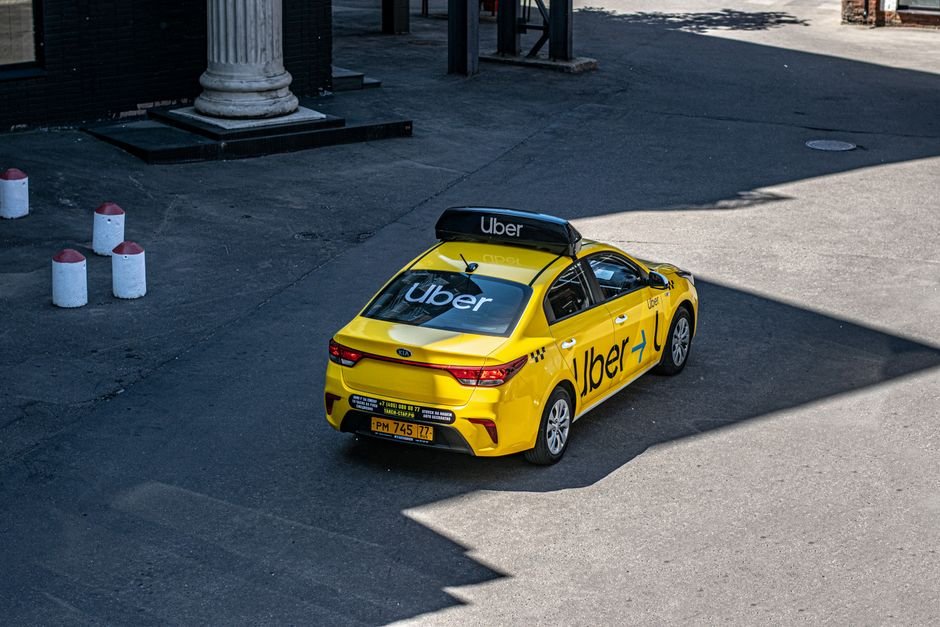
The central development is this: Uber, a global leader in ride-hailing and delivery services, is aggressively positioning itself for the future of transportation. Recognizing the transformative potential of self-driving technology, the company has embarked on an ambitious journey to build a robust autonomous vehicle (AV) ecosystem. This strategy isn’t about internal development alone; it’s a calculated move involving extensive partnerships and direct investments across the burgeoning AV landscape.
Table of Contents
- The Road to Self-Driving Dominance
- Why Autonomous Vehicles are Crucial for Uber
- Uber’s Strategic Partnership Playbook
- Building a Connected Autonomous Ecosystem
- The Road Ahead: Challenges and Opportunities
- Expert Perspective
- Frequently Asked Questions
- Why is Uber autonomous vehicles important?
- What impact could Uber autonomous vehicles have?
- What should readers watch next with Uber autonomous vehicles?
- How does this relate to uber?
Why Autonomous Vehicles are Crucial for Uber
Meanwhile, The drive towards autonomy for Uber is multifaceted, rooted in both operational efficiency and long-term strategic vision. Autonomous vehicles promise:
- Significant Cost Reduction: Eliminating the need for human drivers could drastically reduce per-ride operational costs, improving profit margins.
- Enhanced Efficiency: AVs can operate continuously, optimizing fleet utilization and service availability.
- Future-Proofing: Protecting against potential driver shortages and adapting to evolving regulatory environments.
- Increased Safety: The potential for AVs to reduce human error in driving, leading to fewer accidents.
Uber’s long-term vision clearly points to a future where fully autonomous fleets underpin its core services, making rides more affordable and accessible.
Uber’s Strategic Partnership Playbook
In practical terms, Over the past two years, Uber has reportedly partnered with, and in some cases made direct investments in, approximately 30 autonomous vehicle companies. This staggering scale highlights a deliberate strategy to integrate best-of-breed technologies rather than solely relying on in-house development. This approach offers several advantages:
- Accelerated Development: Leveraging existing expertise from specialized AV firms speeds up time to market.
- Reduced R&D Burden: Spreading the development cost and risk across multiple partners.
- Diverse Technological Integration: Accessing a wide spectrum of technologies, from sensor development and mapping to AI software and vehicle manufacturing.
These strategic alliances allow Uber to build a comprehensive AV solution by picking and choosing the most advanced components available from various innovators. This isn’t just about ride-hailing; it’s about creating a versatile platform capable of supporting a future where autonomous systems handle various mobility and logistics challenges.
Building a Connected Autonomous Ecosystem
For example, The sheer number of partnerships indicates Uber’s intent to weave a complex, interconnected web of AV technologies that can seamlessly operate within its existing platform. Uber’s vast user base and established logistical network provide a ready-made testing ground and deployment channel for its AV partners.
By integrating diverse autonomous solutions, Uber aims to:
- Ensure compatibility and interoperability across different AV stacks.
- Leverage its data insights to refine and optimize autonomous operations.
- Expand its service offerings beyond traditional ride-sharing to include autonomous delivery and other logistical applications.
That said, This ecosystem approach allows Uber to maintain flexibility and adapt to the rapid advancements and shifting landscapes within the autonomous vehicle industry.
The Road Ahead: Challenges and Opportunities
While Uber’s aggressive AV strategy holds immense promise, the path to full autonomy is fraught with challenges. Regulatory hurdles, public acceptance, and the continuous need for technological perfection remain significant obstacles. However, if successful, the benefits for Uber are profound:
- Maintaining a competitive edge in the evolving mobility sector.
- Significantly reducing operational costs and increasing profitability.
- Redefining urban mobility and logistics on a global scale.
Interestingly, Uber’s concerted effort to build an autonomous vehicle empire through strategic partnerships underscores its commitment to leading the next generation of transportation. By strategically collaborating with and investing in a diverse array of AV companies, Uber is not just adapting to the future; it’s actively constructing the infrastructure for an autonomous world, poised to redefine how we move and interact with our cities.
Expert Perspective
A practical read on Uber autonomous vehicles starts with uber. That is where the earliest effects are likely to show up if this development keeps building.
What happens next will come down to adoption speed, policy response, and execution quality. That combination could make Uber autonomous vehicles a meaningful reference point across autonomous.
For decision-makers, the useful lens is not the headline alone but how development changes priorities once organizations have to respond.
Frequently Asked Questions
Why is Uber autonomous vehicles important?
The Road to Self-Driving DominanceThe central development is this: Uber, a global leader in ride-hailing and delivery services, is aggressively positioning itself for the future of transportation.
What impact could Uber autonomous vehicles have?
Recognizing the transformative potential of self-driving technology, the company has embarked on an ambitious journey to build a robust autonomous vehicle (AV) ecosystem.
What should readers watch next with Uber autonomous vehicles?
This strategy isn’t about internal development alone; it’s a calculated move involving extensive partnerships and direct investments across the burgeoning AV landscape.Why Autonomous Vehicles are Crucial for UberMeanwhile, The drive towards autonomy for Uber is multifaceted, rooted in both operational efficiency and long-term strategic vision.
How does this relate to uber?
It connects because the article frames uber as one of the clearest areas where the topic may be felt in practice.
Source: https://techcrunch.com/2026/08/01/ubers-autonomous-vehicle-deal-tracker/