Unveiling “Beyond Data-Driven Aesthetics”
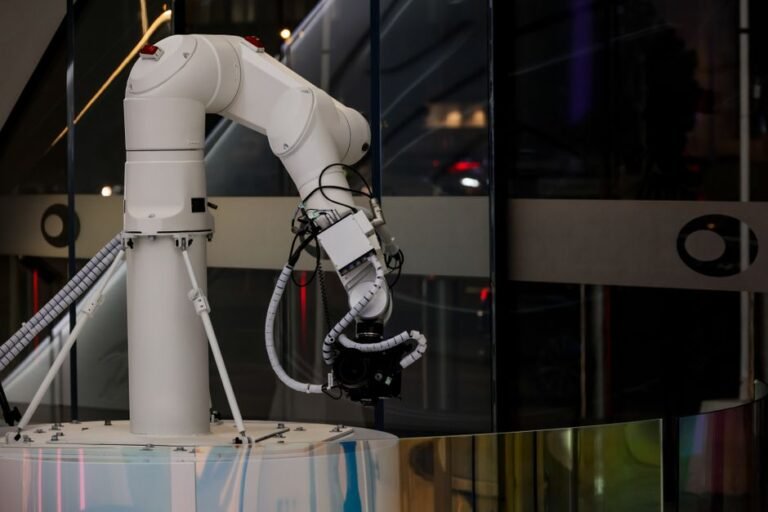
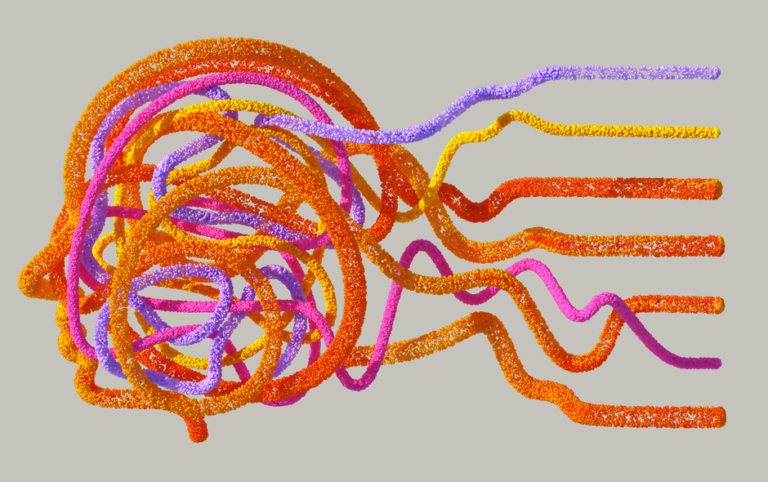
The bigger takeaway is simple: In an era increasingly shaped by artificial intelligence, the very definition of creativity and aesthetic judgment is being re-evaluated. At the heart of this timely discussion is “Beyond Data-Driven Aesthetics,” an insightful exhibition by MIT Architecture alumnus and researcher Alexandros Haridis. On display at the MIT Keller Gallery, this exhibition looks at the profound ways 20th and 21st-century computational efforts have sought to transform machines into mediums for creative production and aesthetic evaluation within architecture and the applied arts.
Table of Contents
- Unveiling “Beyond Data-Driven Aesthetics”
- The Genesis of an Idea: A Deeper Look at AI and Creativity
- From Abstract Research to Tangible Experience
- Shaping the Future: Beyond Performance and Function
- Expert Perspective
- Frequently Asked Questions
- The Future of Computational Evaluation
- AI for Human Experience
- Design as a Research Method
- Why is AI in Design Aesthetics important?
- What impact could AI in Design Aesthetics have?
- What should readers watch next with AI in Design Aesthetics?
- How does this relate to aesthetic?
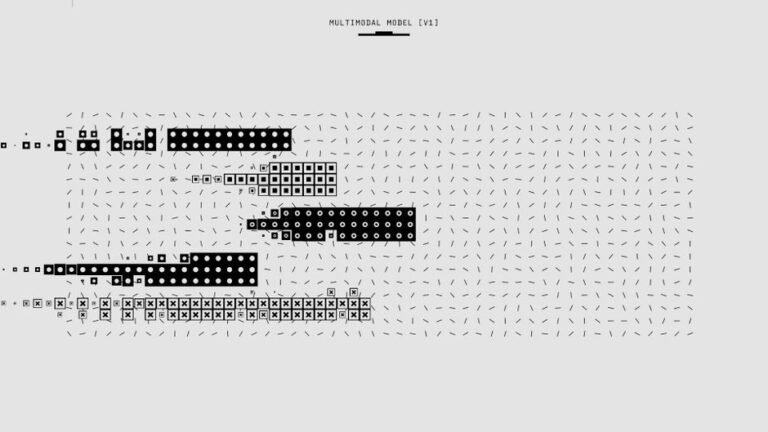
Meanwhile, Haridis’s work is not merely a showcase of technology; it’s a multidisciplinary journey. Drawing on philosophy, mathematics, computer science, and cutting-edge design computation, the exhibition masterfully translates abstract algorithms, complex theories, and opaque machine-learning systems into tangible physical installations and engaging interactive visualizations. It challenges us to look beyond the surface of AI and understand its deeper historical and theoretical roots in artistic expression.
The Genesis of an Idea: A Deeper Look at AI and Creativity
The inspiration for “Beyond Data-Driven Aesthetics” stems from a confluence of research threads, reflecting Haridis’s deep engagement with the subject:
- Observing the AI Revolution: During his PhD in design and computation at MIT around 2022, Haridis witnessed the rapid integration of data-driven machine learning systems, like ChatGPT and Stable Diffusion, into public discourse on creativity and aesthetics. He recognized that many of the “new” questions posed by AI actually echo a much longer history, dating back to foundational AI events like the 1956 Dartmouth Summer Research Project, where creation and evaluation were identified as key aspects of human intelligence for AI to address.
- Beyond Pure Data: Rule-Based Systems and Philosophy: The exhibition also draws heavily from research in design computation and shape grammars, which explore the interplay between human insight and computation through rule-based methods, distinct from purely data-driven learning. Haridis found particular resonance in interpretive studies of aesthetic theories from figures such as Samuel Taylor Coleridge, Oscar Wilde, and John von Neumann. These studies investigate how philosophical and literary articulations of aesthetic value might illuminate the possibilities and limitations of contemporary digital computation and AI in design.
- Design as Interpretation: A crucial motivator was the use of design, fabrication, and data visualization as powerful methods for interpreting intricate mathematical concepts, algorithms, and the often-mysterious “black box” nature of machine-learning systems. Across various disciplines, researchers are increasingly employing reconstruction and visualization techniques to make complex computational systems more tangible and comprehensible to a broader audience.
From Abstract Research to Tangible Experience
In practical terms, Translating complex academic research into an accessible and engaging exhibition is no small feat. Haridis’s approach is to distill the most salient ideas from a particular research paper or book and then use design to interpret that core concept in a visual, spatial, and experiential format. This involves a range of design techniques, including software reconstruction, physical making, and dynamic data visualization.
The exhibition itself is structured around five compelling thematic areas, each serving as a unique “window” into a distinct computational approach to aesthetic judgment derived from a specific publication:
- Aesthetic Measure: Exploring early attempts, like mathematician George Birkhoff’s 1930s work, to quantify aesthetic value mathematically.
- Aesthetic Guidelines: Investigating rule-based approaches to design.
- Algorithmic Aesthetics: Delving into the core of computational beauty.
- Aesthetic Appropriation: Examining how algorithms interact with existing styles.
- Aesthetic Novelty: Looking at systems such as AICAN, which judges generated images based on a theory balancing familiarity with deviation from known artistic styles.
For example, Across these diverse cases, the central revelation is that design itself functions as a potent method of interpretive translation. It transforms what traditional academic scholarship often communicates solely through text, diagrams, and tables into something visible, tangible, and deeply experiential.
Shaping the Future: Beyond Performance and Function
“Beyond Data-Driven Aesthetics” is envisioned not just as a temporary exhibition, but as an ongoing platform for critical inquiry. Haridis is keen to continue exploring how computational systems participate in the processes of aesthetic judgment, generation, and transformation across architecture and the applied arts.
The Future of Computational Evaluation
That said, A key question driving future research is computational evaluation that extends beyond purely performative or functional requirements. This applies broadly to various design spaces, from the structural integrity of buildings to the aesthetics of everyday products. The exhibition’s historical case studies underscore that these questions of aesthetic and experiential value predate current interest in computing and AI, having been explored through diverse computational and theoretical models since the early 20th century.
AI for Human Experience
Haridis is also increasingly focused on how these insights can translate into broader applications within the built environment. He aims to help designers and engineers better understand how computation – whether rule-based or data-driven – can inform us about what truly contributes positively to human experience in the spaces and with the objects people inhabit and use daily.
Design as a Research Method
Interestingly, Finally, a continuing direction of exploration for Haridis is the methodological role of design itself as an interpretive device. By using software reconstruction, visualization, and physical making, the exhibition transforms opaque computational systems into more legible, tangible, and experiential artifacts. This opens up profound questions, not only about the mechanization of “beauty” or “taste” (a traditional focus of 20th-century aesthetic formalism), but also about how traditional forms of research scholarship and communication might evolve through spatial, visual, and public-facing formats, making complex ideas accessible to all.
Expert Perspective
A practical read on AI in Design Aesthetics starts with aesthetic. That is where the earliest effects are likely to show up if this development keeps building.
What happens next will come down to adoption speed, policy response, and execution quality. That combination could make AI in Design Aesthetics a meaningful reference point across design.
For decision-makers, the useful lens is not the headline alone but how data changes priorities once organizations have to respond.
Frequently Asked Questions
Why is AI in Design Aesthetics important?
Unveiling “Beyond Data-Driven Aesthetics”The bigger takeaway is simple: In an era increasingly shaped by artificial intelligence, the very definition of creativity and aesthetic judgment is being re-evaluated.
What impact could AI in Design Aesthetics have?
At the heart of this timely discussion is “Beyond Data-Driven Aesthetics,” an insightful exhibition by MIT Architecture alumnus and researcher Alexandros Haridis.
What should readers watch next with AI in Design Aesthetics?
On display at the MIT Keller Gallery, this exhibition looks at the profound ways 20th and 21st-century computational efforts have sought to transform machines into mediums for creative production and aesthetic evaluation within architecture and the applied arts.Meanwhile, Haridis’s work is not merely a showcase of technology; it’s a multidisciplinary journey.
How does this relate to aesthetic?
It connects because the article frames aesthetic as one of the clearest areas where the topic may be felt in practice.
Source: https://news.mit.edu/2026/3-questions-beyond-data-driven-aesthetics-alexandros-haridis-0629