Unpacking Google‘s Holistic AI Strategy
At a glance, Artificial intelligence often feels like magic, but behind every intelligent application is a complex ecosystem of components working in harmony. Google, a recognized pioneer in AI, attributes much of its groundbreaking success to what it calls a “full-stack” approach. But what exactly does this mean in the context of AI, and why is this comprehensive strategy so crucial for building cutting-edge intelligent systems?
Table of Contents
- Unpacking Google’s Holistic AI Strategy
- What Does “Full Stack” Mean in Technology?
- The Integrated Layers of Full-Stack AI
- Why Google Embraces a Full-Stack Approach
- The Foundation of Google’s AI Journey
- Expert Perspective
- Frequently Asked Questions
- Conclusion
- 1. The Hardware Foundation
- 2. The Software & Model Engine
- 3. The Application & User Experience
- Why is Full-Stack AI important?
- What impact could Full-Stack AI have?
- What should readers watch next with Full-Stack AI?
- How does this relate to google?
Meanwhile, Let’s break down this powerful and integrated philosophy that underpins Google’s AI development.
What Does “Full Stack” Mean in Technology?
To understand full-stack AI, it helps to briefly touch upon its origin in software development. A “full-stack developer” is someone proficient across all layers of an application, from the user-facing interface (frontend) to the server-side logic (backend) and the underlying databases. It’s about having a deep understanding and control over every component needed to deliver a complete, functional product.
In practical terms, Applying this concept to artificial intelligence means managing and optimizing every single component involved in an AI system, starting from the foundational hardware all the way up to the end-user application.
The Integrated Layers of Full-Stack AI
When Google refers to its full-stack AI strategy, it’s talking about a deeply integrated and optimized approach across three primary, interconnected layers:
1. The Hardware Foundation
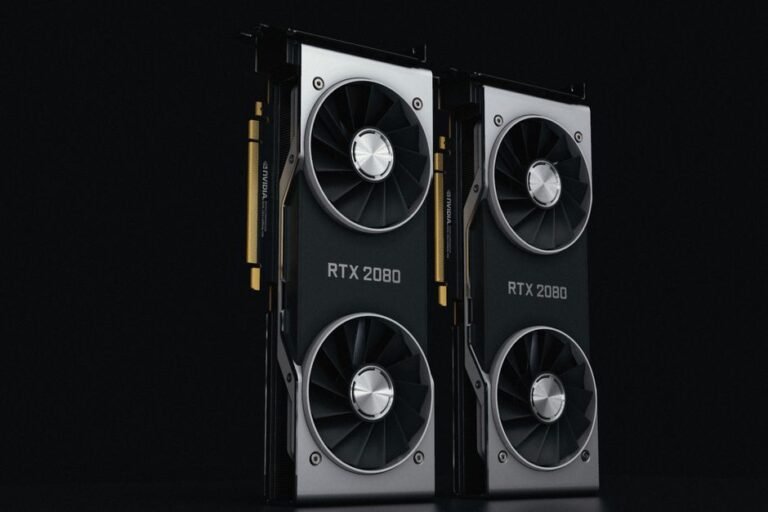
For example, At the very bottom of the stack lies the physical infrastructure. This isn’t merely about generic data centers; it’s about highly specialized hardware meticulously designed for AI workloads. Google invests significantly in developing and deploying custom silicon, such as its Tensor Processing Units (TPUs).
These TPUs are purpose-built to dramatically accelerate machine learning computations, providing the raw power, efficiency, and scalability required to train and run massive AI models. Controlling the hardware layer allows for unparalleled optimization and performance gains.
2. The Software & Model Engine
Building upon this robust hardware foundation is the software and model layer. This is where the intelligence is truly crafted and refined. This comprehensive layer includes:
- Machine Learning Frameworks: Tools like TensorFlow and JAX, developed internally by Google, provide the essential programming interfaces and libraries for building, training, and deploying AI models efficiently.
- Foundation Models: This is where sophisticated algorithms and neural networks, including large language models (LLMs) and other powerful foundation models, are developed. These models learn from vast datasets to perform complex tasks.
- AI Infrastructure & Tools: Systems for data management, model training orchestration, deployment pipelines, and continuous monitoring ensure that models are developed, tested, updated, and managed effectively throughout their lifecycle.
That said, This layer is critical for transforming raw data and computational power into intelligent capabilities.
3. The Application & User Experience
Finally, at the top of the full stack are the applications that bring AI directly into the hands of users. This layer integrates the powerful underlying models into the products and services we interact with every day. Examples include:
- Google Search: Delivering highly relevant results powered by advanced ranking algorithms.
- Google Photos: Intelligently organizing your memories, recognizing faces, and offering smart suggestions.
- Google Translate: Breaking down language barriers in real-time for text, voice, and images.
- Bard and other generative AI tools: Providing conversational AI, content generation, and creative assistance.
Interestingly, This top layer ensures that the powerful AI developed at the lower levels translates into tangible, helpful, and intuitive features for billions of people worldwide.
Why Google Embraces a Full-Stack Approach
Google’s long-standing commitment to full-stack AI is more than just a technical preference; it’s a profound strategic advantage that fuels its innovation:
- Optimized Performance and Efficiency: By designing hardware specifically for their software and models, Google achieves incredible performance gains and energy efficiency that wouldn’t be possible with off-the-shelf components.
- Faster Innovation Cycles: Control over every layer allows for rapid iteration, experimentation, and seamless integration of new research findings, from silicon design to application features.
- Seamless Integration and Reliability: A unified approach ensures that all components work together harmoniously, reducing potential bottlenecks, improving system reliability, and simplifying complex deployments.
- Responsible AI by Design: Integrating ethical considerations, security protocols, and privacy safeguards across all layers from the outset helps build AI systems that are inherently safer, more fair, and trustworthy.
- Unmatched Scalability: Managing the entire stack enables Google to scale its AI capabilities to serve a global user base and handle immense computational demands for training and inference.
The Foundation of Google’s AI Journey
However, For many years, this comprehensive, full-stack philosophy has been the bedrock of Google’s AI development. It underscores a fundamental belief that true innovation and responsible deployment of AI require a holistic view, where no component is isolated, and every piece is meticulously designed to complement and enhance the others. This integrated strategy is precisely what allows Google to continuously push the boundaries of what artificial intelligence can achieve.
Expert Perspective
A practical read on Full-Stack AI starts with google. That is where the earliest effects are likely to show up if this development keeps building.
What happens next will come down to adoption speed, policy response, and execution quality. That combination could make Full-Stack AI a meaningful reference point across stack.
For decision-makers, the useful lens is not the headline alone but how full changes priorities once organizations have to respond.
Frequently Asked Questions
Why is Full-Stack AI important?
Unpacking Google’s Holistic AI StrategyAt a glance, Artificial intelligence often feels like magic, but behind every intelligent application is a complex ecosystem of components working in harmony.
What impact could Full-Stack AI have?
Google, a recognized pioneer in AI, attributes much of its groundbreaking success to what it calls a “full-stack” approach.
What should readers watch next with Full-Stack AI?
But what exactly does this mean in the context of AI, and why is this comprehensive strategy so crucial for building cutting-edge intelligent systems?Meanwhile, Let’s break down this powerful and integrated philosophy that underpins Google’s AI development.What Does “Full Stack” Mean in Technology?To understand full-stack AI, it helps to briefly touch upon its origin in software development.
How does this relate to google?
It connects because the article frames google as one of the clearest areas where the topic may be felt in practice.
Conclusion
What matters next is how the immediate response turns into lasting change. While the concept of “full-stack AI” might sound technical, its implications are far-reaching. It represents a vision of the entire AI ecosystem as one interconnected, interdependent system, from the specialized chips that power it to the intelligent applications that enhance our daily lives. By mastering and optimizing each layer, companies like Google can build more powerful, efficient, and responsible AI systems that are truly poised to shape our collective future.
Source: https://blog.google/innovation-and-ai/technology/ai/full-stack-ai-explainer/