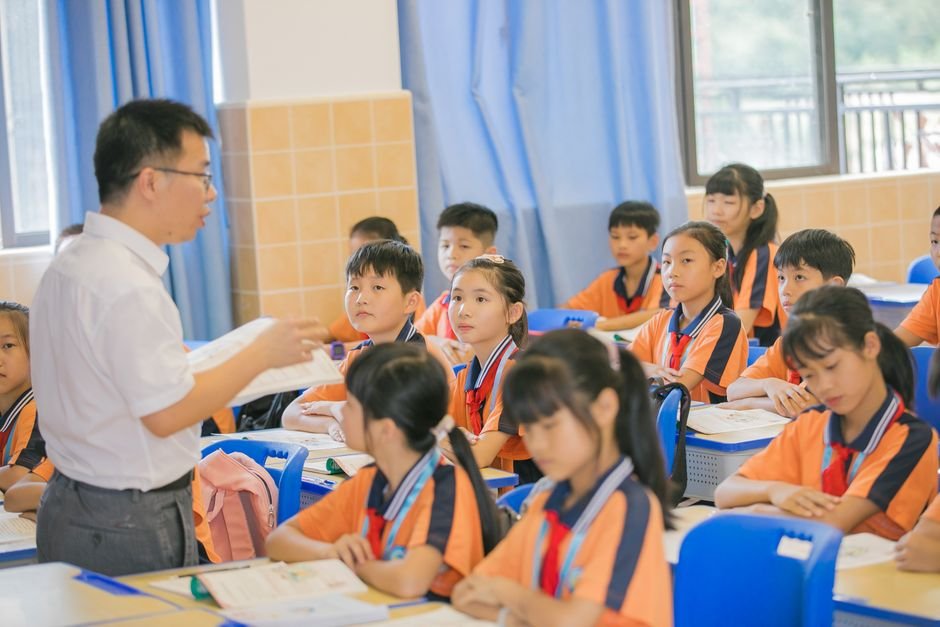
Revolutionizing Learning: Google‘s Vision for AI in Education
For readers tracking the shift, Google is actively shaping the future of education by developing advanced AI tools designed to support teachers and provide deeply personalized learning experiences for students. This initiative isn’t just about technology; it’s a collaborative journey, placing educators at the forefront of design and implementation to ensure these tools truly meet the needs of diverse classrooms.
Table of Contents
- Revolutionizing Learning: Google’s Vision for AI in Education
- The Transformative Potential of AI in the Classroom
- A Collaborative and Responsible Approach to AI Development
- Looking Ahead: The Future of Learning with Google AI
- Expert Perspective
- Frequently Asked Questions
- Personalized Learning Experiences for Every Student
- Empowering Educators: AI as a Teaching Assistant
- Prioritizing Safety, Privacy, and Ethical AI
- Why is AI in Education important?
- What impact could AI in Education have?
- What should readers watch next with AI in Education?
- How does this relate to learning?
Meanwhile, The core philosophy behind Google’s approach is to augment human capabilities, not replace them. AI is envisioned as a powerful assistant, freeing up educators to focus on critical thinking, mentorship, and fostering deeper student connections, while students benefit from tailored pathways that adapt to their unique learning styles and paces.
The Transformative Potential of AI in the Classroom
Artificial Intelligence holds immense promise for transforming traditional learning environments. By leveraging AI, educators can unlock new levels of efficiency and effectiveness, leading to more engaging and impactful educational outcomes.
Personalized Learning Experiences for Every Student
- Adaptive Content Delivery: AI can analyze student performance and preferences to recommend resources, exercises, and learning paths that are perfectly suited to their individual needs.
- Tailored Feedback: Students can receive instant, constructive feedback on assignments, helping them understand concepts more quickly and improve their skills.
- Pacing Flexibility: AI tools allow students to progress at their own speed, ensuring no one is left behind or held back, fostering a sense of mastery and confidence.
Empowering Educators: AI as a Teaching Assistant
In practical terms, Teachers often face heavy workloads, from lesson planning and grading to administrative tasks. Google’s AI aims to alleviate some of this burden, enabling educators to dedicate more time to high-value interactions.
- Streamlined Administrative Tasks: AI can assist with routine tasks like organizing schedules, managing student data, and even generating reports.
- Automated Assessment Support: Tools can help grade quizzes, identify common misconceptions, and provide insights into class-wide learning gaps.
- Content Creation Assistance: AI can suggest lesson ideas, generate prompts for creative writing, or help source relevant educational materials, saving valuable preparation time.
A Collaborative and Responsible Approach to AI Development
Central to Google’s strategy is the unwavering commitment to developing AI responsibly, with strong ethical guidelines and a continuous dialogue with the educational community. The company emphasizes co-creation, working hand-in-hand with teachers, administrators, and students to build tools that are not only powerful but also safe, fair, and transparent.
Prioritizing Safety, Privacy, and Ethical AI
“Building AI tailored for education, with educators in the lead.” – A core principle guiding Google’s development.
For example, Google is committed to ensuring that all AI tools for education adhere to stringent standards:
- Data Privacy: Robust measures are in place to protect student and educator data, ensuring privacy is paramount.
- Age Appropriateness: Tools are designed and vetted to be suitable for various age groups, with appropriate safeguards.
- Bias Mitigation: Continuous efforts are made to identify and reduce potential biases in AI algorithms, promoting equitable learning experiences for all students.
- Transparency: Google aims for clear communication about how AI tools work and how data is used, fostering trust within the educational community.
Looking Ahead: The Future of Learning with Google AI
As Google continues to innovate, the focus remains on creating an inclusive, effective, and engaging learning environment for every student. By integrating AI thoughtfully and responsibly, with educators leading the charge, the potential to transform education for the better is immense. These tools are designed to support a vibrant learning ecosystem where technology enhances human connection and empowers both teachers and learners to achieve their fullest potential.
Expert Perspective
A practical read on AI in Education starts with learning. That is where the earliest effects are likely to show up if this development keeps building.
What happens next will come down to adoption speed, policy response, and execution quality. That combination could make AI in Education a meaningful reference point across google.
For decision-makers, the useful lens is not the headline alone but how tools changes priorities once organizations have to respond.
Frequently Asked Questions
Why is AI in Education important?
Revolutionizing Learning: Google’s Vision for AI in EducationFor readers tracking the shift, Google is actively shaping the future of education by developing advanced AI tools designed to support teachers and provide deeply personalized learning experiences for students.
What impact could AI in Education have?
This initiative isn’t just about technology; it’s a collaborative journey, placing educators at the forefront of design and implementation to ensure these tools truly meet the needs of diverse classrooms.Meanwhile, The core philosophy behind Google’s approach is to augment human capabilities, not replace them.
What should readers watch next with AI in Education?
AI is envisioned as a powerful assistant, freeing up educators to focus on critical thinking, mentorship, and fostering deeper student connections, while students benefit from tailored pathways that adapt to their unique learning styles and paces.The Transformative Potential of AI in the ClassroomArtificial Intelligence holds immense promise for transforming traditional learning environments.
How does this relate to learning?
It connects because the article frames learning as one of the clearest areas where the topic may be felt in practice.
Source: https://blog.google/products-and-platforms/products/education/iste-2026-educator-updates/